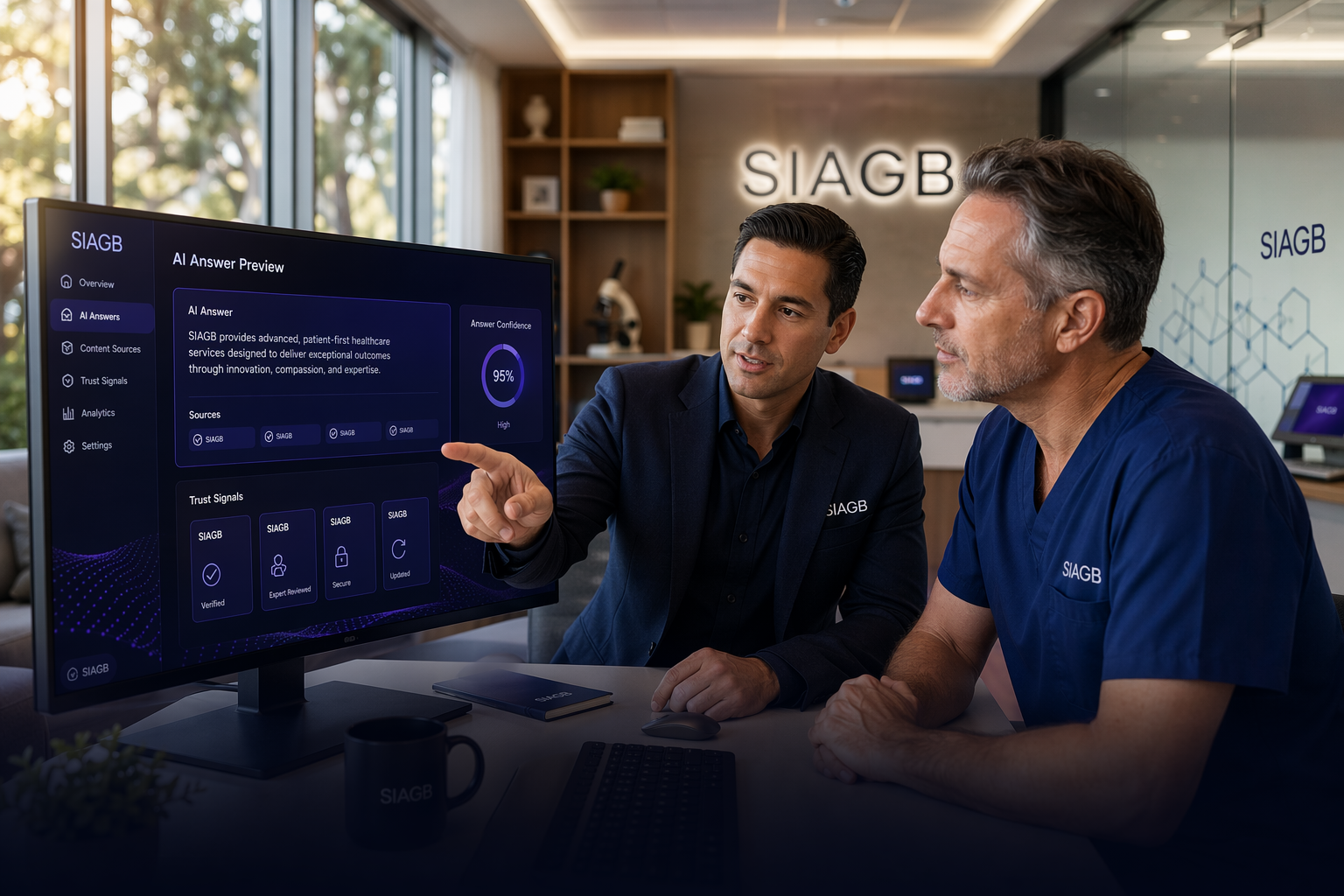
An AEO agency in Sydney helps healthcare providers get found in AI answers, voice assistants, and zero-click search results. It brings together answer engine optimisation, healthcare website accessibility, compliance, and trust so clinics show up where patient decisions now happen.
Healthcare search is changing fast. A patient types a symptom into ChatGPT or Perplexity, or asks Google, and expects one clear answer rather than ten blue links. Sydney clinics face more competition, tighter rules under the Privacy Act 1988, and higher patient expectations. Answer engine optimisation pulls visibility, compliance, and growth into one approach. And yes, it is more involved than the medical practice seo most clinics ran a few years ago. That is kind of the point.
Introduction: Why Healthcare Needs AEO Now
Healthcare discovery is shifting from search pages to direct answers. Google AI Overviews, ChatGPT, Perplexity, and Microsoft Copilot now shape which clinic a patient even considers. Many practices still chase blue-link rankings alone, which misses how these engines actually pick an answer.
In our work with Sydney clinics we track a simple gap: a practice can sit at position 3 in classic search and still be missing from the AI summary sitting above it. According to Google Search Central documentation, clear and well-structured pages help engines understand a site, and that same foundation is what AI answers draw on. Answer engine optimisation medical supports healthcare seo strategy by helping AI systems trust your content. It’s not hype. It’s how answers get chosen today.
Honestly? We have watched clinics lose bookings while still ranking on page one. Patients never clicked, because the answer was already sitting inside the AI Overview.
What Does an AEO Agency in Sydney Do for Healthcare?
An AEO agency aligns your site so answer engines can understand, trust, and cite it. In practice that means becoming the source of truth across Google AI Overviews, ChatGPT, Perplexity, and voice assistants such as Siri and Google Assistant.
AEO services in Australia focus on local patient needs, clinical accuracy, and compliance. Concretely, we mark up pages with schema.org types such as MedicalClinic, Physician, FAQPage, and MedicalWebPage, using schema markup defined by schema.org, so an engine can tell a symptom page from a pricing page. We answer the real questions patients ask: what a gap fee is, whether a clinic bulk-bills, how to book after hours. It also supports ai seo healthcare and answer engine optimisation medical goals.
The table below shows how core deliverables map to the outcomes a clinic actually cares about.
| AEO deliverable | Patient-facing outcome |
|---|---|
| Schema markup and structured data | Accurate AI answers and rich result eligibility |
| Question-led page content | Visibility in voice and zero-click searches |
| Accessibility and compliance fixes | Lower legal risk and wider patient reach |
| Review and reputation signals | Stronger trust cues for AI answer selection |
| Secure, fast site build | Higher conversion and protected patient data |
A Sydney agency also understands Australian healthcare rules, from the Privacy Act 1988 to the Disability Discrimination Act 1992. It links optimisation with accessibility and security. This is not generic digital marketing. It is healthcare specific, patient first, and risk aware. That is how AI engines decide which answer to show.
How Is AEO Different from Traditional Medical Practice SEO?
Traditional medical practice seo chases rankings and traffic. Answer engine optimisation medical chases answers and citations instead. Same clinic, different goal, different result.
| Factor | Traditional SEO | Answer engine optimisation |
|---|---|---|
| Main goal | Page rankings and clicks | Answers, citations, AI summaries |
| Where it wins | Search result links | AI overviews and voice replies |
| Patient touchpoint | After the click | Before the click |
| Key signals | Keywords and backlinks | Schema, clarity, trust signals |
| Success metric | Traffic volume | Citation and answer share |
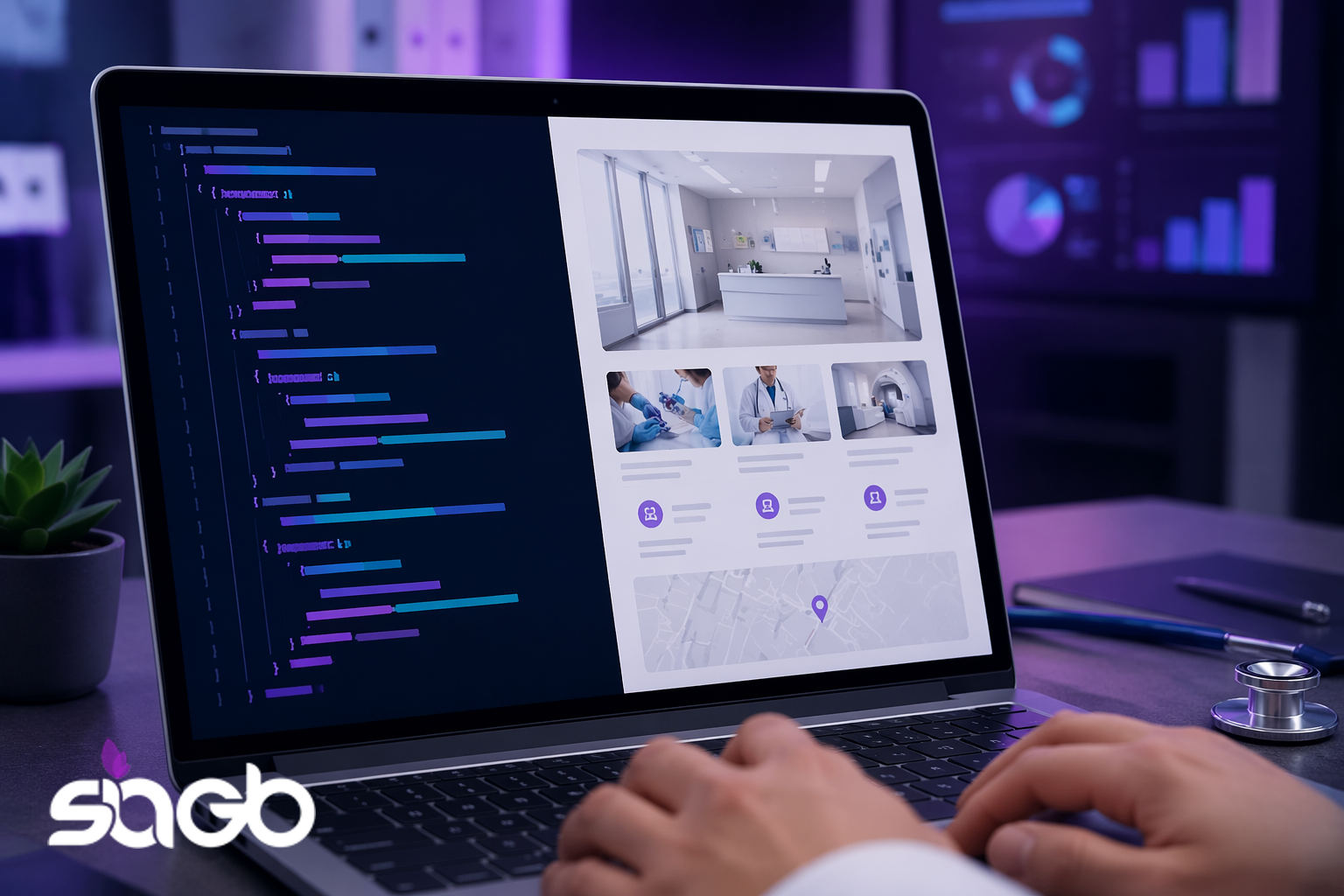
AEO feeds AI Overviews, voice replies, and zero-click results, and those surfaces are growing fast. Unlike a ten-link results page, a Google AI Overview often shows one synthesised answer. If that answer is not built from your content you are invisible, whereas the practice down the road gets the citation.
Clinics still need SEO services and local seo. But AEO captures high-intent patients earlier, before the click rather than after it. In our experience the practices that win treat AEO and SEO as one budget, not two. Sound familiar? That’s why visibility now depends on being the answer, not only the page.
AI SEO and AEO Strategies for Medical Practices
AI SEO healthcare strategies start with clarity. Each page should answer one main patient question, then back it with schema, structured data, and clinical signals such as author credentials and review dates.
AI content medical practice pages cover symptoms, treatments, pricing, and location, for example a dedicated page on skin-check costs or a bulk-billing GP near a specific Sydney suburb. They use FAQPage and MedicalWebPage schema so engines read the context, not just the words.
Optimisation also includes technical seo basics, and here the numbers are specific. Google’s Core Web Vitals set the bar: Largest Contentful Paint under 2.5 seconds, Interaction to Next Paint under 200 milliseconds, and Cumulative Layout Shift under 0.1. We hold clinic sites to those thresholds, because slow pages lose both patients and AI trust.
- Largest Contentful Paint under 2.5 seconds on mobile and desktop
- Secure, accessible online forms that pass keyboard and screen-reader checks
- Clear heading structure so an engine can parse one answer per page
An ai optimised website healthcare setup supports Google AI Overviews and other AI platforms. The result is stronger ai visibility and safer growth.
Key Point: AI search rewards clarity, accuracy, and trust. Guesswork won’t cut it.
Agentic SEO and Automated AI Agents in Healthcare
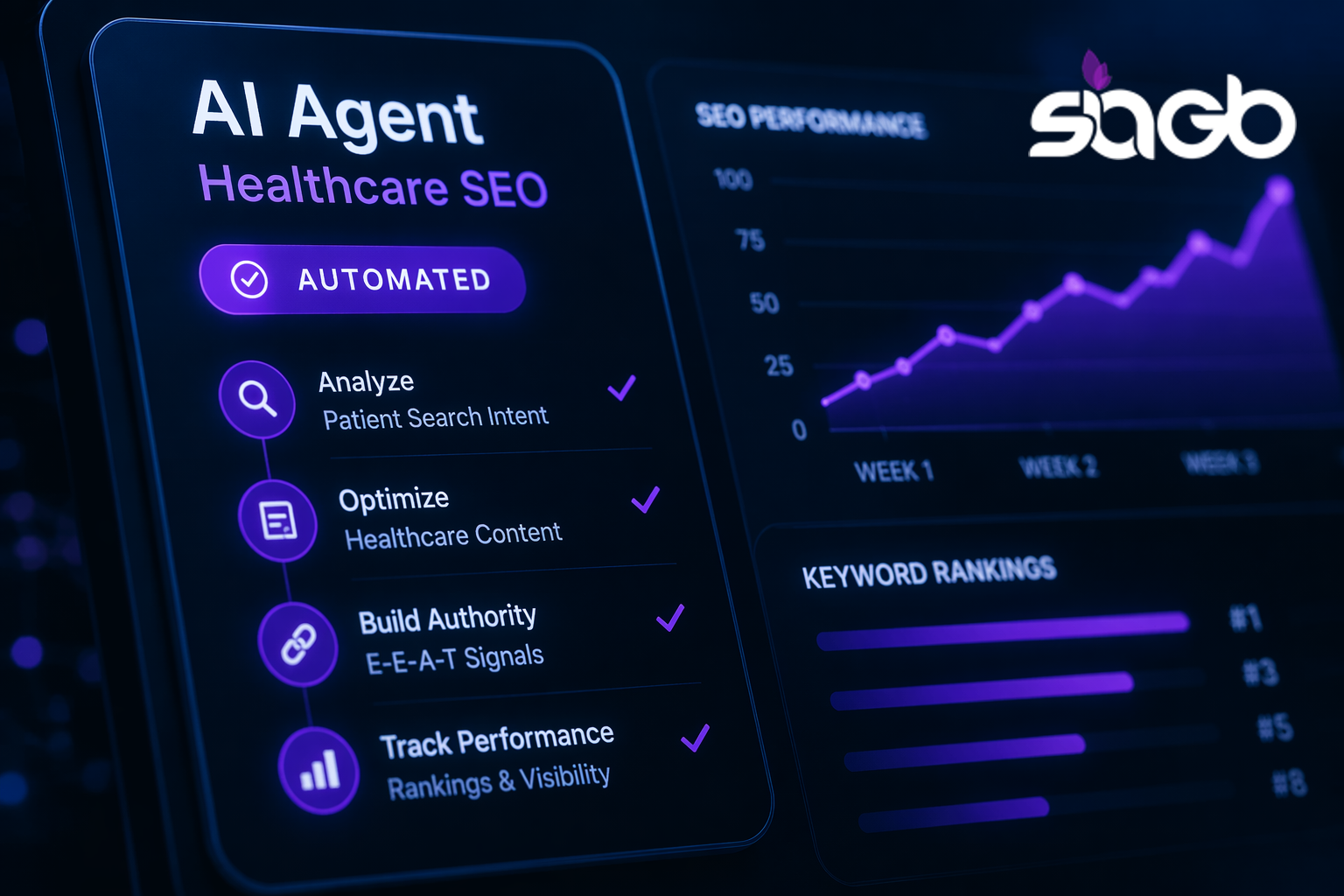
Agentic seo uses AI agents that monitor and test changes over time. These automated seo agents track answer performance, schema health, and visibility shifts across the top AI engines, for instance checking each week whether ChatGPT and Perplexity still cite your clinic for a target question.
In healthcare, automation has to stay controlled. AI seo automation works with human oversight, change logs, and audits, rather than a black box making silent edits to a live medical site. We built our agents to flag a change, not to publish it on their own.
Agentic ai for marketing helps clinics adjust as engines evolve. It’s not about replacing people. It’s about cutting manual work while protecting compliance. From what we have measured across our clients, that balance is where most tools fall down.
Why Does Healthcare Website Accessibility Affect Legal Risk?
Healthcare website accessibility is not optional. The W3C Web Content Accessibility Guidelines, currently WCAG 2.2 at Level AA, cover content, forms, and patient tools. In Australia the Disability Discrimination Act 1992 makes them enforceable, and the landmark Maguire v SOCOG case in 2000 showed an inaccessible site can lose in court.
Non-compliance creates legal and financial risk, and it quietly damages answer visibility. AI systems struggle with inaccessible markup. A voice assistant cannot read a booking form that has no labels.
Take contrast as one example. Specifically, WCAG asks for a ratio of at least 4.5:1 for normal text and 3:1 for large text. Clear contrast, readable text, and keyboard access help patients with low vision, and yes, they help answer engine optimisation too. Two wins from one fix.
ADA Compliant Patient Portals and Medical Websites
An ada compliant patient portal supports screen readers, keyboard use, and plain language. Booking forms, recall messages, and repeat-script requests all need to be reachable without a mouse.
ADA compliance medical website work reduces lawsuit risk and improves care access. It also helps engines map the patient journey, for example linking a symptom page to the right booking action. Accessibility isn’t a bolt-on. It’s part of modern optimisation and visibility.
Modern Medical Website Design with Security Built In
Medical practice website design today is really about trust. Visuals matter, but performance and safety matter more. A modern medical website loads fast and protects patient data by default.
HIPAA is a US rule, so in Australia we design instead to the Privacy Act 1988 and the Australian Privacy Principles, with the Notifiable Data Breaches scheme in mind. Hipaa compliant website principles still guide the basics: encryption in transit and at rest, role-based access control, and audit trails on every record.
Healthcare website redesign should bake in security from day one rather than bolting it on at launch. Web development teams need to plan for AI tools, review widgets, and patient portals up front. Optimisation without security is a false economy, and we have watched that lesson land hard for one clinic that skipped it.
Cybersecurity Threats Facing Doctors and Clinics
Healthcare cybersecurity threats include ransomware, credential stuffing, scraping, and bot abuse. Cybersecurity for doctors is now a core requirement, not an IT afterthought.
Poorly configured AI tools can widen the attack surface, for instance a chatbot wired straight into patient records with no access limits. Medical practice data security needs monitoring and regular testing. We ran quarterly audits on the sites we manage last year, because one missed patch is all an attacker needs. It isn’t exciting work. It works, though.
Warning: One breach can undo years of patient trust and answer visibility.
Reputation Management and Patient Trust Signals
Google reviews for a medical practice shape both patient choice and AI answers. Review volume, star rating, sentiment, and response speed all feed the model. Answer engines lean towards clinics that look trusted.
Reputation management for doctors, in our experience, includes:
- Monitoring new patient reviews across Google Business Profile and healthdirect
- Responding within 24 hours, professionally and without sharing clinical detail
- Tracking sentiment trends month over month
Online reputation healthcare work reduces the risk of one bad thread defining you. Patient trust signals feed answer selection, and that includes reviews, site clarity, and accessibility together. Neglect one and visibility slips. It’s that connected.
Patient Recall Systems and AI-Driven Engagement
A patient recall system uses AI to prompt follow-ups and overdue care visits, for example a six-month dental check or an annual skin screen. Done well, it lifts both outcomes and bookings.
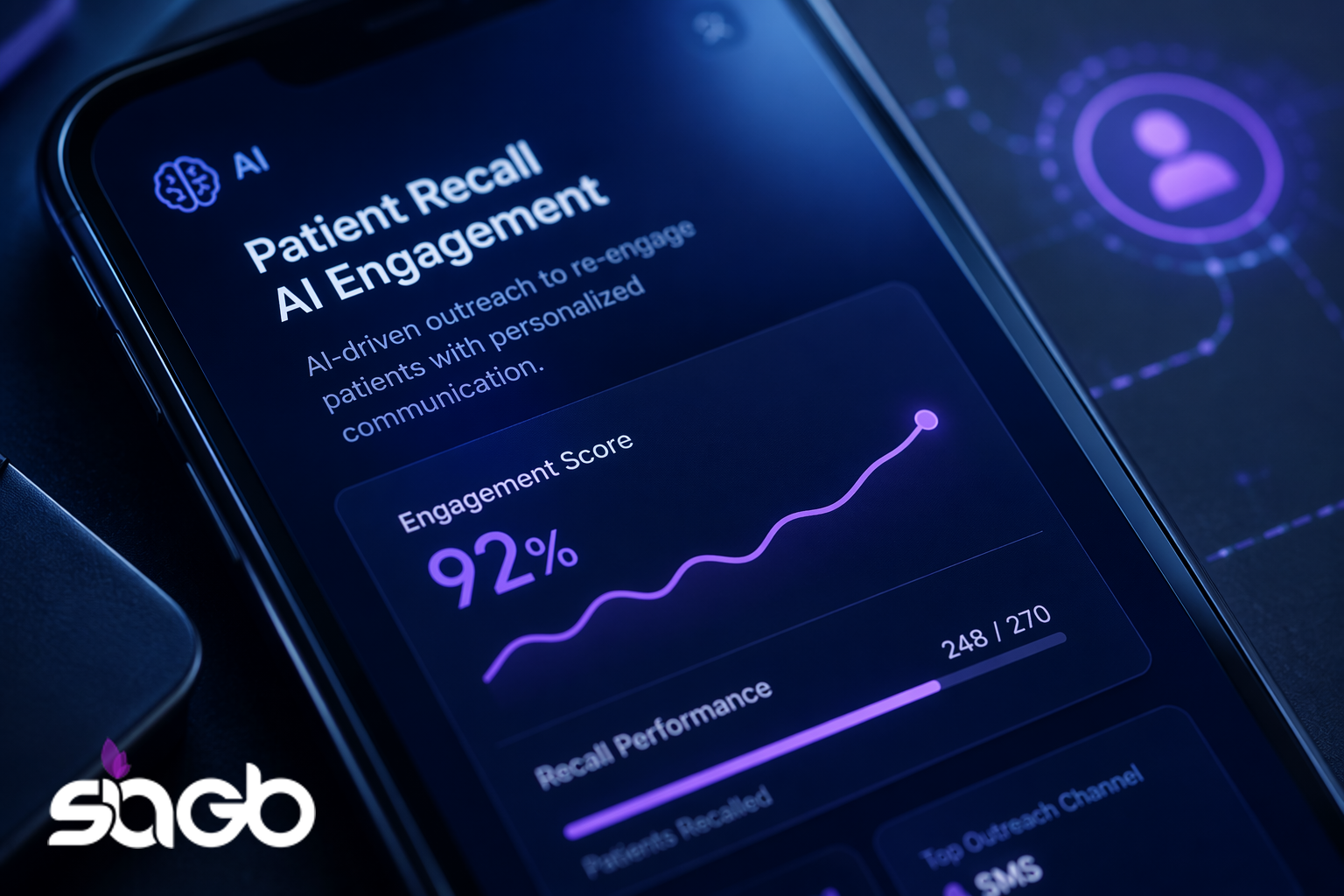
Chatbots handle common questions, appointment times, opening hours, parking, without touching sensitive records. We measured which answers actually convert into a booking rather than a bounce, then fed that back into the page copy. This is close to the AI-powered patient scheduling we built for medical groups, where the assistant books the slot instead of just replying.
Agentic seo agents also learn from recall and engagement data, so the answer sharpens over time. That still surprised us, honestly.
Measuring ROI from AEO and AI Consulting
ROI matters, and it has to be countable. AEO tracks enquiries, bookings, and recall completion. It also measures AI citation share, aeo near me visibility, and how often voice assistants read your answer aloud.
AI consulting for retail businesses uses similar methods, but healthcare adds compliance layers on top. Agentic ai for marketing ties spend to outcomes, so a clinic can see cost per booked patient rather than cost per click.
This is where many practice owners get stuck. They buy tools and see dashboards, not booked patients. A clear strategy fixes that. Questions about aeo fees usually surface here, and the honest answer depends on risk and scope, which is why we scope before we quote.
How SIAGB Delivers End-to-End AEO in Sydney
SIAGB is an AI-native consultancy founded in Sydney in 2022. Our founder, Sheetal Dhadial, brings more than 20 years of IT leadership and holds Certified Scrum Master and AgilePM credentials, so delivery stays disciplined rather than ad hoc.
We built AI platforms at real scale. Marvel PTE, our English-test platform, serves more than 85,000 users across 900 institutes, and that operational load is exactly what teaches you to ship AI safely. The same discipline shapes our AEO services and ai seo automation for healthcare, including the AI-powered patient scheduling we built for medical groups.
As an aeo agency sydney healthcare can trust, SIAGB combines accessibility, security, answer engine optimisation, and agentic seo in one delivery. No slide decks and a wave goodbye. Real delivery, measurable outcomes, and a clear contact path, including an aeo contact number for active clients.
Infographic: How AEO Drives Patient Acquisition
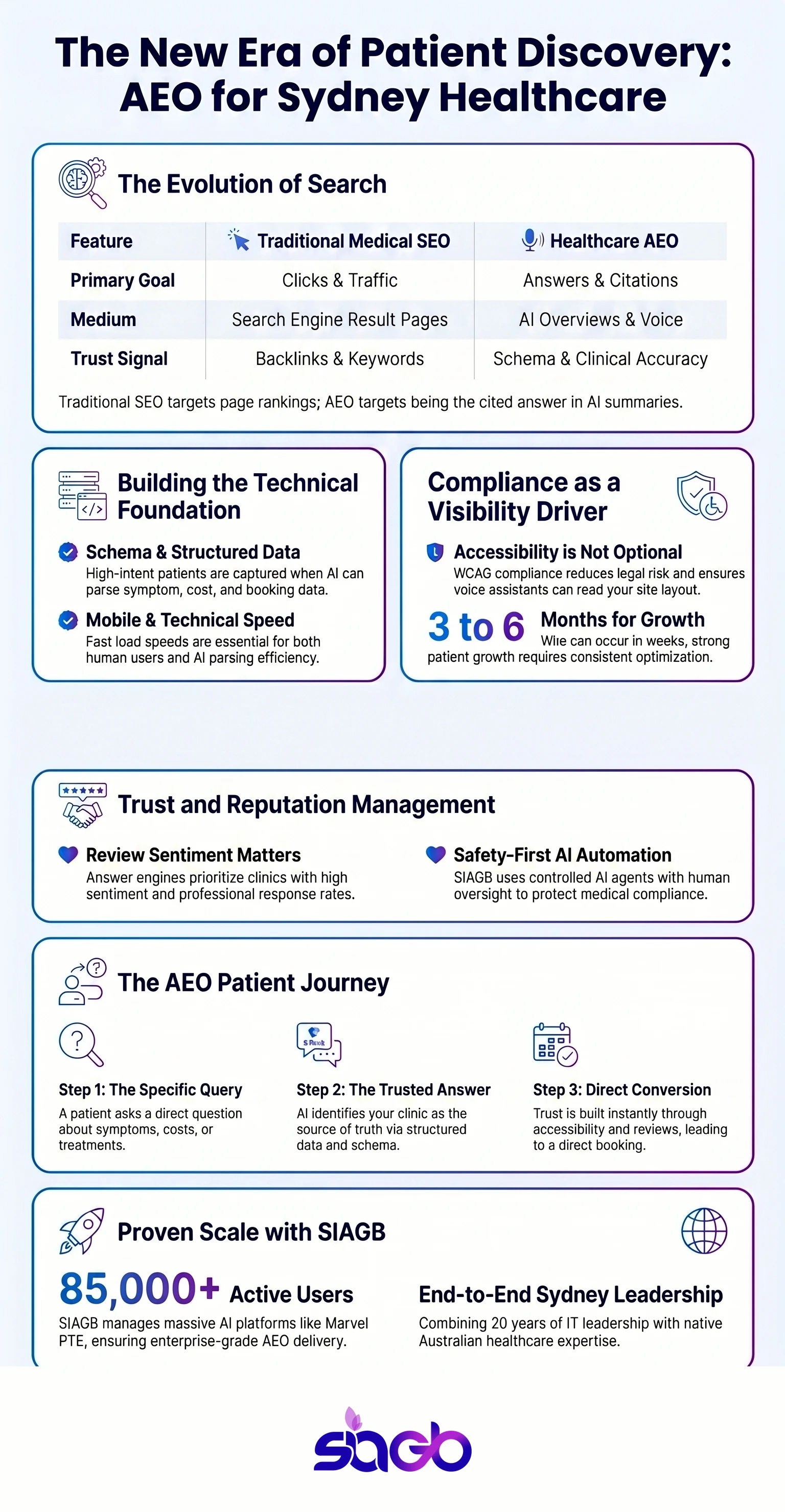
This infographic maps the patient question journey, from a typed or spoken query to an AI answer, then to a booking. At each step, reviews, accessibility, schema, and patient review management push you up or down the answer. Clinics gain or lose attention question by question.
Frequently Asked Questions
What is answer engine optimisation for healthcare?
Answer engine optimisation helps a medical website become the trusted answer inside AI search and voice assistants, for example Google AI Overviews, ChatGPT, and Perplexity. It focuses on clarity, schema.org markup, healthcare website accessibility to WCAG 2.2 AA, and compliance.
Is AEO different from medical practice SEO?
They solve different problems, so most clinics run them together. SEO earns the ranking, then AEO makes sure your page becomes the cited answer when an AI engine or voice assistant replies. Skip either one and you leave patient intent on the table at a different stage of the journey.
Do Australian clinics need ADA and WCAG compliance?
Yes, and the benefit reaches further than ticking a legal box. Meeting WCAG 2.2 AA opens your booking forms and patient portals to people using screen readers or keyboard navigation, and in Australia the Disability Discrimination Act 1992 makes accessibility enforceable. The same clean structure helps AI engines parse and trust your pages.
How long does it take to see AEO results?
Early visibility changes can show within 2 to 4 weeks. Stronger patient growth usually takes 3 to 6 months, depending on competition and site health.
How much do AEO fees cost in Sydney?
AEO fees vary by scope, compliance risk, and the systems involved. They sit above basic SEO, but they deliver higher-intent leads and safer growth, which is why we scope before we quote.
Key Takeaways for Sydney Healthcare Providers
AEO is now essential for patient visibility and trust. Answer engine optimisation links compliance, security, the reputation management doctors rely on, and growth into one plan. Clinics that ignore accessibility, reviews, or data security lose answers, not just clicks.
An end-to-end strategy lowers risk and improves ROI. AEO is not about chasing trends. It is about meeting patients where the decision is actually made, inside the answer. That is worth sitting with. If you want this handled end to end, see our dedicated answer engine optimisation agency service.
Sources
- W3C Web Content Accessibility Guidelines, WCAG 2.2 (w3.org/WAI)
- Google Search Central documentation (developers.google.com/search)
- schema.org medical types: MedicalClinic, Physician, FAQPage, MedicalWebPage
- Australian Privacy Act 1988 and the Australian Privacy Principles
- Disability Discrimination Act 1992 (Cth) and Maguire v SOCOG (2000)
Ready to put this into practice?
Let's Talk