
Agentic AI for marketing is a goal-driven use of artificial intelligence where autonomous agents plan, act, measure results, and improve over time. It focuses on outcomes like revenue, trust, and compliance, not just content or clicks. For regulated industries, including healthcare and retail, this approach cuts waste while keeping risk in check.
Marketing teams are dealing with rising costs, tighter rules, and a lot of noisy AI hype. Many leaders want proof, not big promises. That’s where agentic AI fits, especially for organisations exploring smarter marketing automation, complex marketing campaigns, and real ai marketing outcomes. In our work at SIAGB, we built AI-powered patient scheduling for medical groups. We also run platforms for clients like Marvel PTE, which serves 85,000+ users across 900+ institutes. Both taught us the same lesson: agents earn trust only when every action is logged, measured, and reversible.
Introduction
Marketing costs keep climbing. Trust in AI claims keeps dropping. And for healthcare and retail, rules around privacy, accessibility, and data security keep getting stricter. Sound familiar?
Here’s the thing. Most marketers don’t need more tools. They need systems that actually help customer engagement and improve the customer experience without adding risk. Agentic AI offers a different path. No flashy dashboards. No disconnected features. Just systems that act, learn, and adjust with intent.
At SIAGB, this problem-first approach isn’t theory. It’s how teams use agentic ai marketing models to support real marketing strategy decisions, from healthcare website redesign to retail ai marketing programs. The focus stays on outcomes, not hype.
This guide is for marketers, doctors, retailers, and CTOs across Australia and the United States who want practical answers. You’ll see how agentic AI works inside real marketing operations, where automation often breaks, and why compliance-first design matters more than ever. For an Australia-based clinic, that means designing to the Privacy Act 1988 and its 13 Australian Privacy Principles from day one, not bolting compliance on later.
What Is Agentic AI for Marketing?
Agentic AI is a form of artificial intelligence where agents work toward a defined goal. An agent plans actions, takes steps, checks results, then improves. In marketing, that goal could be qualified leads, stronger customer relationships, or lower campaign waste.
This goes beyond traditional AI. Traditional AI responds to prompts or runs fixed models. An agentic AI system makes decisions inside a defined agentic workflow. It reacts to customer behaviour, adjusts timing, and changes channels without waiting for manual input.
Generative AI creates text or images. An ai assistant answers questions. An intelligent agent decides what to do next based on feedback, analytics, and business rules. For example, unlike a scheduled email that fires on a fixed rule, an agent might read GA4 conversion data at 9am, notice that a landing page converts at 1.2 percent versus a 3.4 percent benchmark, then rewrite the headline and re-test before lunch. That difference matters.
Agentic marketing works because it links action to outcome. And it keeps learning. That’s the real shift behind agentic marketing and modern ai marketing systems.
Agentic AI vs Traditional Marketing Automation
Traditional marketing automation runs on rules. If a user clicks, send an email. If they don’t, wait three days. This worked when customer interaction was simple.
Marketing isn’t simple anymore. Customer journeys zigzag. Platforms shift fast. Search intent changes weekly. Rule-based systems struggle to keep up, especially when customer data lives across tools.
Agentic AI systems adapt. Autonomous AI agents watch performance data and change actions in real time. They improve engagement without constant oversight from a marketing team. Over time, this reduces effort and sharpens marketing efforts.
But control still matters. Especially in healthcare. So this comparison isn’t just about speed. It’s about learning, governance, and trust.
Comparison Framework: Automation vs Agentic Systems
| Area | Traditional Automation | Agentic AI Tool |
|---|---|---|
| Human effort | High over time | Drops as agents learn |
| Learning ability | Fixed rules | Learns from data |
| Customer engagement | Limited | Improves over time |
| Risk control | Manual checks | Built-in governance |
| Regulated fit | Limited | Designed for healthcare |
This framework helps marketers choose the right system, not the loudest one.
Agentic SEO and AI Agents for SEO
Agentic SEO isn’t about publishing more blogs. It’s about continuous optimisation tied to real business goals.
An ai agent monitors rankings, search intent, accessibility, and conversions. Then another ai agent tests changes. A third ai agent measures results. Together, these agents form an agentic system that improves campaign performance over time. We track Core Web Vitals as part of this loop, because Google treats them as ranking signals: Largest Contentful Paint under 2.5 seconds, Interaction to Next Paint under 200 milliseconds, and Cumulative Layout Shift under 0.1. A page that fails those thresholds rarely wins competitive terms, whereas a fast, accessible page compounds gains month after month.
Many marketers assume AI content equals SEO wins. Honestly? That rarely works. Without agents tracking outcomes, content turns into noise.
AI agents for SEO connect content to results. They show which pages support a campaign and which hurt it. They also support google ads performance by aligning landing pages with intent. This is ai marketing done properly.
For healthcare and retail, this matters. Search updates are frequent. Patient questions evolve. Agentic SEO keeps pace without burning out teams.
Answer Engine Optimisation and AI SEO in Healthcare
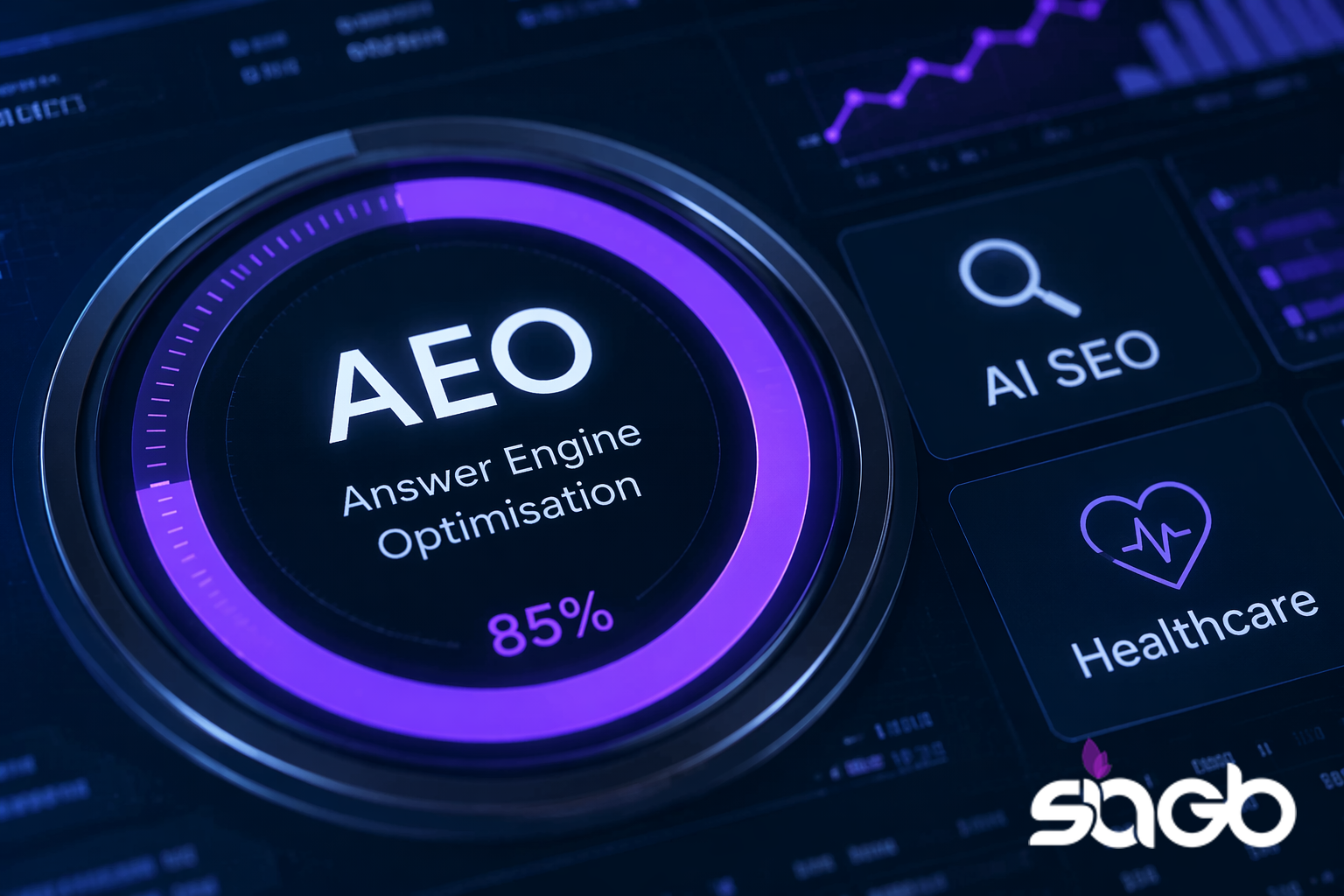
Patients now ask AI assistants questions. Not just Google. Tools such as ChatGPT, Perplexity, Google AI Overviews, and Gemini now sit between a patient and your website, so answer engine optimisation is becoming essential for healthcare ai marketing.
AEO focuses on clear, structured answers that AI systems trust. In particular, marking up pages with schema.org types like FAQPage, MedicalWebPage, and Organization helps these engines quote you accurately rather than paraphrase you wrongly. An insights agent tests how content performs in AI-driven search. It tracks engagement, accuracy, and customer interaction across channels. In our experience, a well-structured FAQ block earns citations in AI answers far more often than a long, unstructured essay on the same topic.
AI SEO healthcare strategies need care. Wrong answers damage trust. Misinformation breaks customer relationships. Agentic AI systems manage this with human agent review baked in.
The goal stays simple.
- Be the best answer for patient questions.
- Support the full customer journey.
- Keep checking accuracy and trust.
Healthcare Website Accessibility and Compliance
Healthcare website accessibility isn’t optional. ADA and WCAG standards protect both patients and providers. The practical target is WCAG 2.1 and the newer WCAG 2.2 at Level AA, which sets concrete rules such as a 4.5 to 1 contrast ratio for body text and keyboard access for every control. Australian providers should also weigh the Disability Discrimination Act 1992, which courts have applied to inaccessible websites.
Accessibility also improves engagement and customer experience. Patients stay longer on usable pages. Search engines reward accessible sites. Legal exposure drops when issues get fixed early.
Agentic AI helps here. An autonomous agent scans pages for contrast issues, missing labels, and broken navigation. It tracks fixes over time across healthcare websites and marketing cloud integrations.
This supports:
- Better customer interaction.
- Lower compliance risk.
- Stronger long-term marketing strategy.
HIPAA, Cybersecurity, and Data Protection Risks
A HIPAA compliant website protects patient data. That includes forms, portals, recalls, and review systems tied to customer data.
Autonomous agents can add risk if poorly designed. Healthcare cybersecurity threats are real. Trust erodes fast after a breach.
Cybersecurity for doctors needs security-by-design. Agentic AI systems must log actions, limit access, and encrypt data, for instance TLS 1.2 or higher in transit and AES-256 at rest. Human agent oversight stays critical here. In Australia, the Notifiable Data Breaches scheme obliges you to report an eligible breach to the OAIC, so an agent that touches patient data must keep an audit trail you can hand over.
SIAGB builds with this mindset. Our founder, Sheetal Dhadial, brings 20+ years of IT and AI leadership as a Certified Scrum Master and AgilePM practitioner, and that governance-first habit shapes every build. Agents work inside boundaries. Humans stay accountable. That balance matters.
Reputation Management and Patient Engagement
Online reputation shapes growth. Reviews influence trust. Response time affects engagement more than people realise.
Agentic AI supports review workflows. An ai agent monitors feedback. Another suggests responses. A human agent approves sensitive replies. This improves customer engagement without sounding robotic.
Patient recall programs benefit too. Agents test timing, channels, and messaging. They adapt based on customer behaviour, improving engagement without spamming.
Done right, automation strengthens trust. Push it too far, and patients notice. Balance matters.
Retail and Healthcare Use Cases with Measurable ROI
In retail, ai marketing often starts with wasted spend. One client cut campaign waste by 28 percent using agents that paused low-performing google ads within hours.
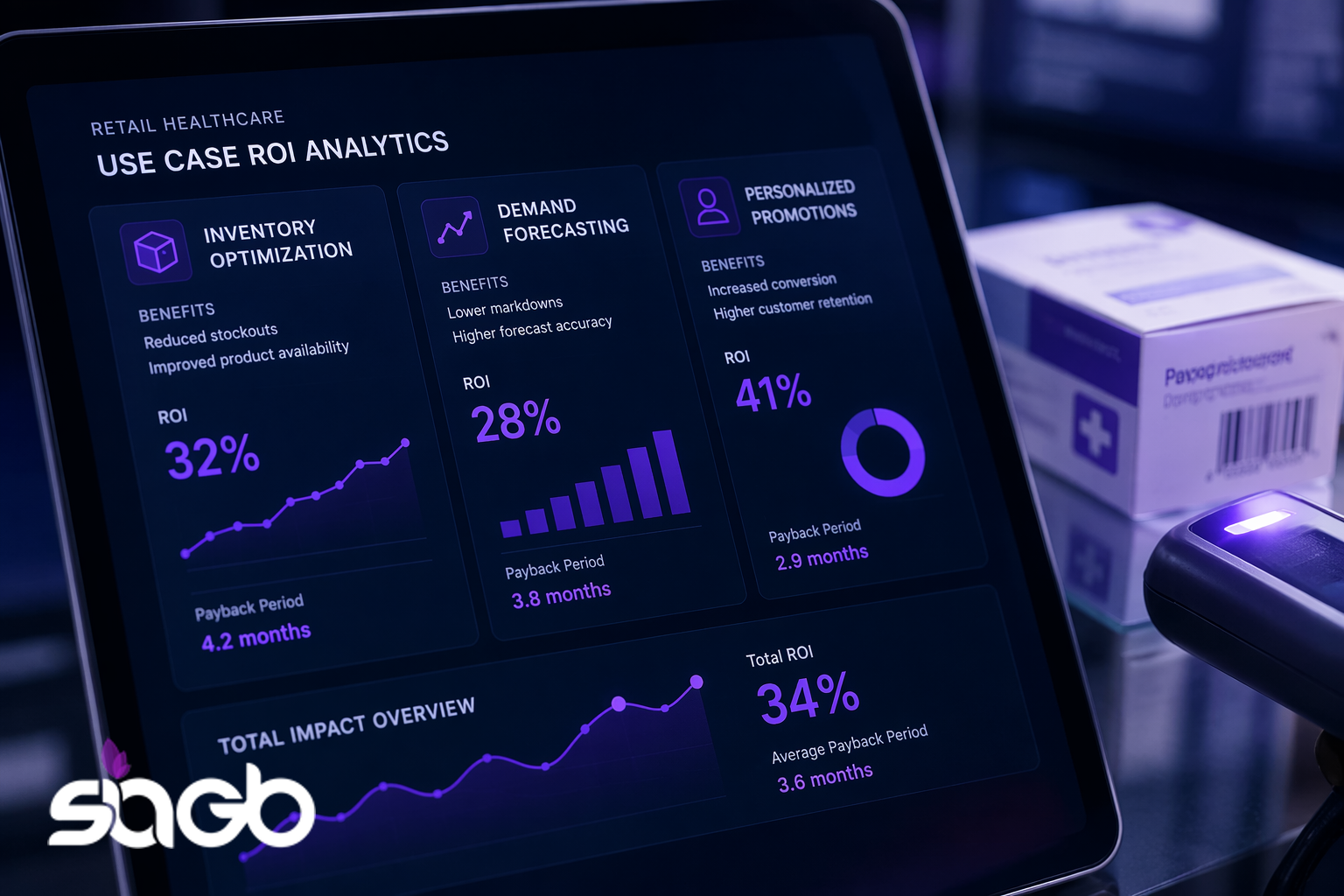
In healthcare, ai marketing paired with reviews and recalls delivered strong results. One clinic saved 12 hours a week on marketing tasks and increased bookings by 18 percent.
Across sectors, agentic ai marketing delivers value when teams track:
- Time saved through automation.
- Costs reduced from wasted spend.
- Revenue gained across the customer journey.
Agentic AI earns its place when metrics move.
Governance and Human-in-the-Loop Models
Full autonomy sounds appealing. It’s risky.
Agentic systems work best with humans in the loop. Agents act within rules. Humans approve sensitive changes. Audit trails stay clear.
This matters for marketing workflow design, especially when sales team data and marketing cloud tools connect. Governance protects customer relationships and brand trust.
This model fits regulated industries. It keeps control while letting autonomous AI agents handle the heavy lifting.
When Agentic AI Is Not the Right Fit
Sometimes, agentic AI isn’t the answer.
If customer data is poor, agents learn the wrong lessons. If goals are vague, optimisation fails. High legal exposure without controls is a warning sign.
Readiness comes first. Clear goals. Clean data. Defined marketing workflow. If those pieces aren’t ready, waiting is smarter.
That patience usually saves money later.
Infographic: How Agentic AI Operates in Marketing
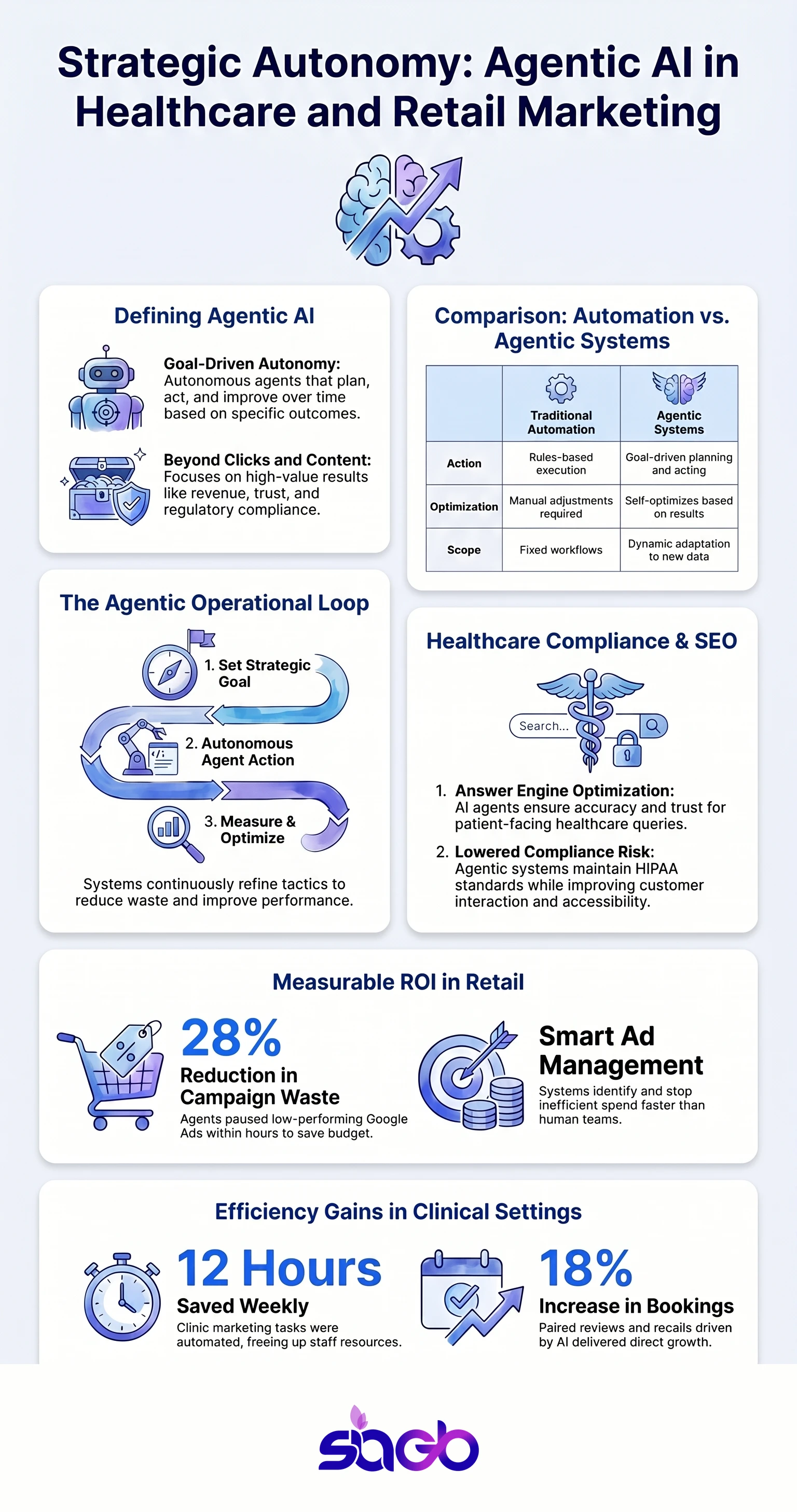
The loop is simple.
- Set a goal.
- Agents act.
- Results get measured.
- Systems optimise.
Insights agents generate actionable insight. Human agents review risk. The agentic workflow stays balanced.
Frequently Asked Questions
What makes agentic AI different from generative AI?
Agentic AI takes action toward goals and learns from results. Generative AI only creates content when prompted and doesn’t optimise outcomes.
Is agentic AI safe for healthcare marketing?
Yes, when it includes governance, human oversight, and compliance-first rules. This protects customer experience and data.
Can agentic AI help with customer engagement?
Yes. Agents adapt messaging based on customer behaviour and improve engagement over time.
Can agentic AI replace marketers?
No. It supports marketers by handling repetitive marketing tasks. Strategy and judgement stay human.
How long does it take to see ROI?
Efficiency gains often appear within weeks. Revenue impact follows as agents learn patterns.
Do agentic systems work for small teams?
They can, if goals are clear and data is clean. Scale matters less than readiness.
Key Takeaways and Final Thoughts
Agentic AI is about outcomes, not tools. It’s ai marketing focused on real goals, better engagement, and measurable results.
Compliance-first design separates real systems from hype. This matters most in healthcare and retail.
Choosing the right partner matters more than any platform. SIAGB builds agentic AI systems with governance, experience, and scale in mind.
AI will keep changing. The focus shouldn’t. Solve real problems. Measure results. Keep trust at the centre.
Sources
- MIT Technology Review (technologyreview.com)
- Stanford HAI - Human-Centred AI (hai.stanford.edu)

Thinking about how this applies to your business?
Start a Conversation