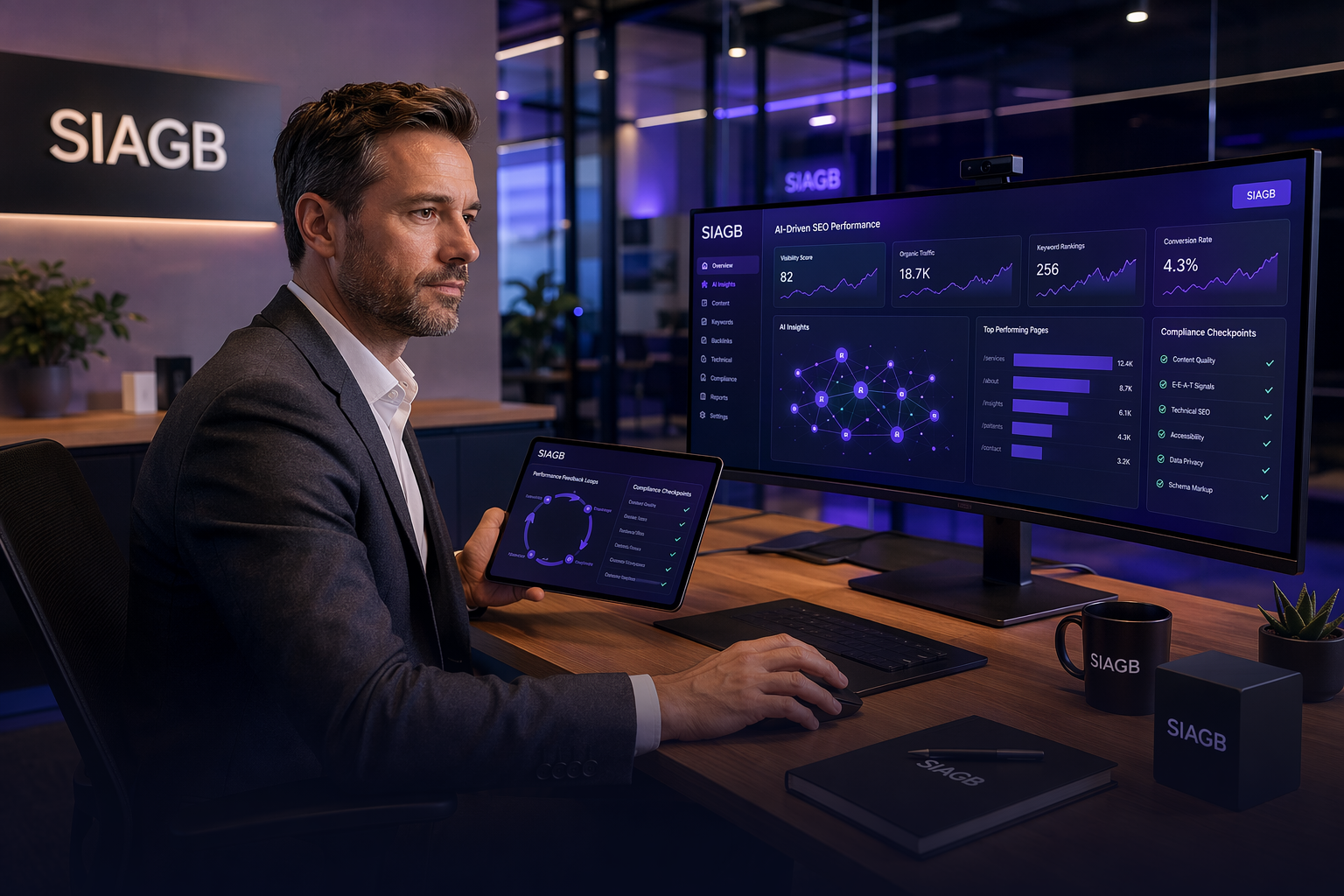
AI agents for SEO are autonomous systems that plan, execute, and refine SEO tasks with minimal prompting. In healthcare and other regulated markets across the United States, they support measurable growth while respecting compliance, privacy, and risk controls. Used properly, an ai agent becomes part of the SEO workflow, not a risky shortcut that replaces judgment.
Healthcare SEO is hard. Not because teams don’t invest, but because the rules are tight, patients search differently, and AI hype clouds judgment. This guide breaks down how agentic SEO really works, where it helps, and where humans still matter most. In our work building AI-powered patient scheduling for medical groups, we learned that the compliance layer, not the automation, is where most projects live or die.
Introduction
Many US healthcare providers pour money into digital marketing and still see flat results. Rankings move around. Leads don’t. Sound familiar? Add HIPAA rules, ADA Title III accessibility exposure, local seo pressure across multiple clinic locations, and rising AI skepticism, and things get complicated fast.
AI agents for SEO promise speed and scale, but not every promise holds up. Some tools stop at keyword research. Others push out seo content without context or search intent. This guide looks at a practical healthcare SEO strategy using an ai seo agent that plans, acts, reviews, and adapts. It also covers the newer battleground: getting cited inside ChatGPT, Perplexity, Google AI Overviews, and Gemini, not just ranked on page one. No hype. Just what works, and what doesn’t.
What Are AI Agents for SEO?
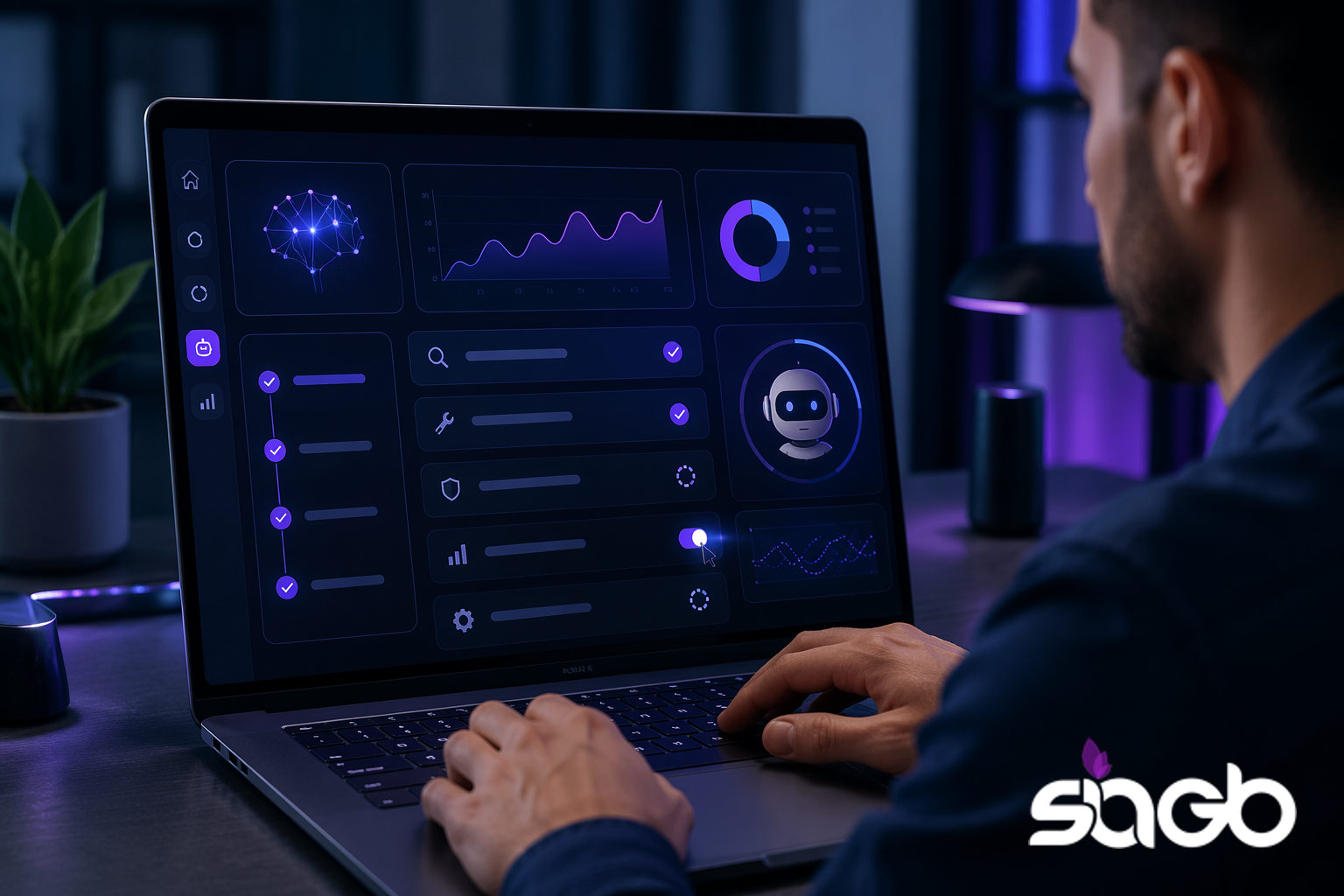
AI agents for SEO are autonomous software agents that complete SEO tasks end to end. An ai agent can research keywords, update pages, run checks, and review results. Then it decides what to do next. All with minimal prompting and defined limits.
Agentic SEO follows a loop. Plan the seo task. Act on it. Check outcomes. Adapt. A basic seo ai agent might run keyword research once. A true ai powered seo agent keeps learning from rankings, clicks, Google Analytics 4 data, Google Search Console impressions, and errors. For example, an agent that notices a service page slipping from position 4 to position 9 can re-check search intent, refresh the page, and confirm the fix within the same week rather than the next quarterly review.
Here’s the difference. A tool waits for instructions. An agent decides its next step within set guardrails. In our work we track three signals per page: organic clicks, AI-citation frequency in ChatGPT and Perplexity answers, and Core Web Vitals scores. That’s why an ai agent feels less like a dashboard and more like a junior SEO specialist. Still supervised, though. Especially in healthcare.
How Automated SEO Agents Differ From Traditional SEO Tools
Traditional SEO tools are useful, but limited. They show data. They don’t act. Keyword reports sit in folders. Technical SEO issues stay open for months. A traditional seo tool can’t close the loop on its own.
Automated SEO agents connect the dots. The agent runs keyword research, maps search intent, updates seo content, and flags technical seo issues such as broken canonical tags or missing MedicalOrganization schema. Then it tracks seo performance and feeds back actionable insights. For instance, unlike a rank tracker that only reports a drop, an agent compares the underperforming URL with the two pages now outranking it and proposes the specific gaps to close. That closed loop makes a real difference.
But here’s the thing. In regulated industries, full automation without review is risky. A healthcare ai seo agent needs oversight. Claims, tone, and data handling still need human checks. Automation helps with seo work, not responsibility.
Manual SEO vs AI Assisted SEO vs Fully Agentic SEO
Manual SEO relies on people doing everything. Research, writing, fixes, reporting. It’s slow, costly, and tough to scale. Accuracy is high. Speed is not.
AI assisted SEO adds tools. An ai tool helps with keyword research or a technical audit. Humans still manage the workflow. Effort drops, but gaps remain between insight and action.
Fully agentic SEO uses an ai agent for seo optimization. The agent executes defined seo tasks, monitors results, and suggests next steps. Humans set rules, approve sensitive changes, and manage risk. This is where the best ai agent setups shine.
Here’s a simple comparison.
| Approach | Speed | Risk | Human Effort |
|---|---|---|---|
| Manual SEO | Low | Low | High |
| AI assisted SEO | Medium | Medium | Medium |
| Agentic AI for marketing | High | Managed | Lower |
Human expertise stays essential for compliance, review, and brand voice. Agentic AI handles repetition. That balance drives results and protects long term seo efforts.
Agentic AI for Healthcare SEO and Medical Practice Growth
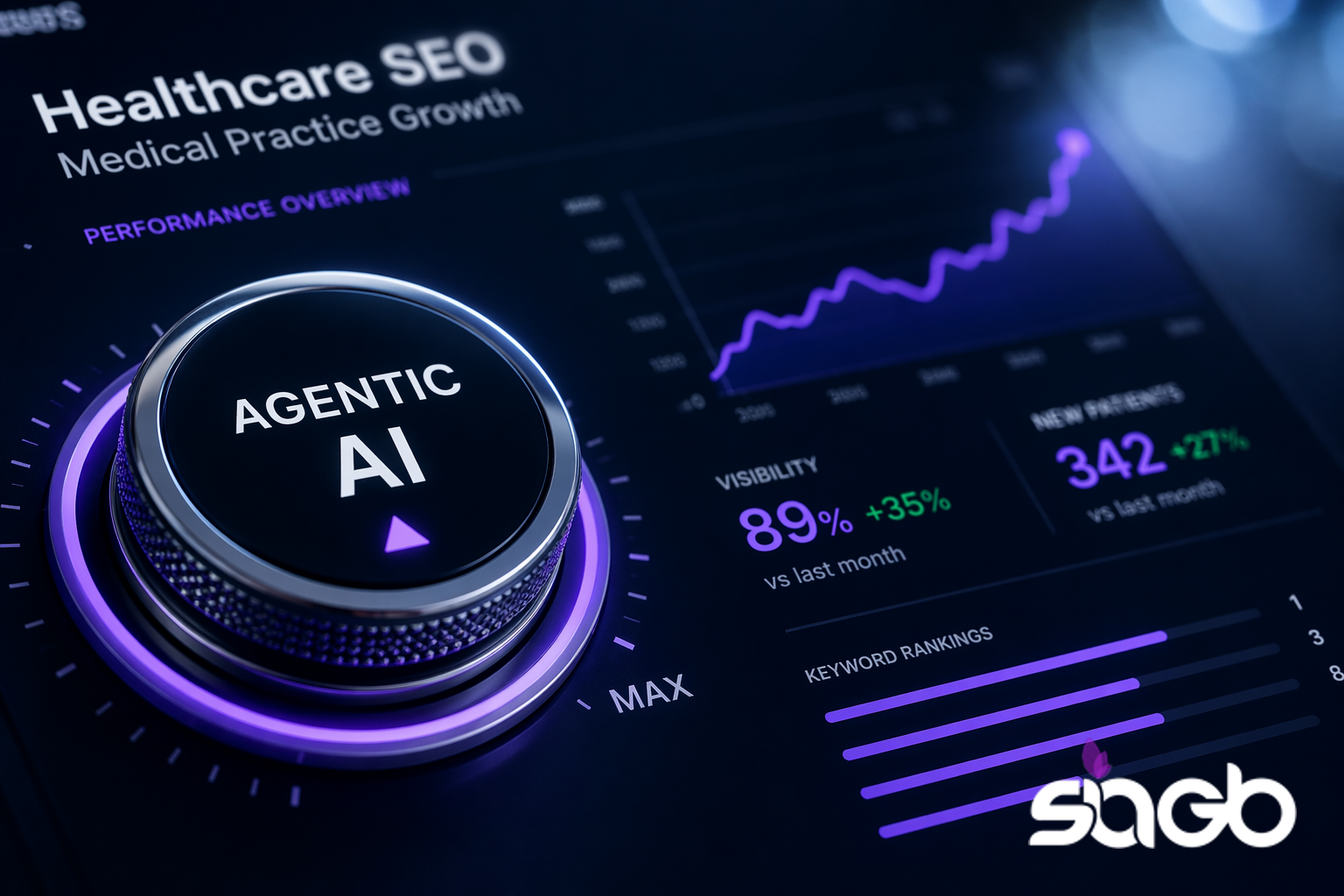
Healthcare SEO isn’t about chasing traffic. It’s about the right patient finding the right service through the search engine they trust. An ai agent supports medical practice SEO by covering intent gaps at scale.
For clinics, the agent improves local pages, service content, Google Business Profile data, and schema.org markup such as MedicalOrganization, Physician, and LocalBusiness types linked to ai search. For specialists, it supports long tail queries and referral driven searches. Larger networks, for example a group running 12 or 20 clinic locations, use ai powered seo systems to keep NAP details and service descriptions consistent across every location page.
I’ve seen agents lift ai visibility by fixing hundreds of small issues humans miss. Page titles. Internal links. Missing FAQPage schema. Technical seo errors. Boring work. Important work. In our work at SIAGB we care about scale because our sister platform, Marvel PTE, serves 85,000+ users across 900+ institutes, and consistency at that volume is impossible by hand. The ai powered seo agent handles it, then reports back to the seo team.
Answer Engine Optimization for Medical and Healthcare Searches
Patients now ask questions, not keywords. Answer engines summarize results before clicks happen. Google AI Overviews, ChatGPT, Perplexity, and Gemini increasingly stand between a patient and a clinic website. That’s answer engine optimization medical teams need to plan for.
AI agents for SEO help structure pages for answers. Clear definitions. Updated FAQs marked up with FAQPage schema. Consistent claims. In our work we track how often a client is named inside AI Overviews for queries such as “urgent care near me open now,” then compare that against the same week’s organic clicks. The agent watches those ai citation patterns across ChatGPT and Perplexity, then adapts content specifically where the entity is missing.
This isn’t about gaming the search engine. It’s about accuracy and clarity. Agents keep answers current when guidelines change. Humans review. Agents maintain.
AI Driven Accessibility for ADA and WCAG Healthcare Websites
Healthcare website accessibility is a legal duty and a business one. In the United States, courts read ADA Title III to cover websites, and WCAG 2.1 AA (with WCAG 2.2 AA now finalized) is the standard most settlements reference for portals, forms, and content.
An ai agent can scan pages for accessibility issues as part of a routine technical audit. It checks color contrast against the 4.5:1 ratio for body text, flags missing form labels, and tests keyboard navigation. It runs these checks weekly, not yearly. That matters when sites change often. The same audit pass folds in Core Web Vitals, so the agent watches Largest Contentful Paint under 2.5 seconds, Interaction to Next Paint under 200 milliseconds, and Cumulative Layout Shift under 0.1, because slow pages hurt both patients and rankings.
Ongoing monitoring lowers the risk of an ADA website lawsuit doctors worry about, and US filings in this category have run into the thousands each year. An ada compliant patient portal isn’t a one time job. Agents help keep it compliant over time.
AI Content Systems for Medical Practices With Compliance Controls
AI content medical practice systems must move carefully. Speed without accuracy creates risk. An ai agent for seo content creation works inside approval workflows.
The agent drafts. Humans review. Medical oversight approves. Brand voice stays steady. Errors get caught. Trust stays intact.
Used well, agents help scale seo content safely and support ai powered seo programs. Used poorly, they increase liability. Controls are non negotiable in healthcare.
Key Point: Automation without review isn’t compliance. It’s a liability.
Reputation Management, Reviews, and Patient Recall Automation
Online reputation healthcare teams can’t ignore reviews. Patients read them. Search engines do too.
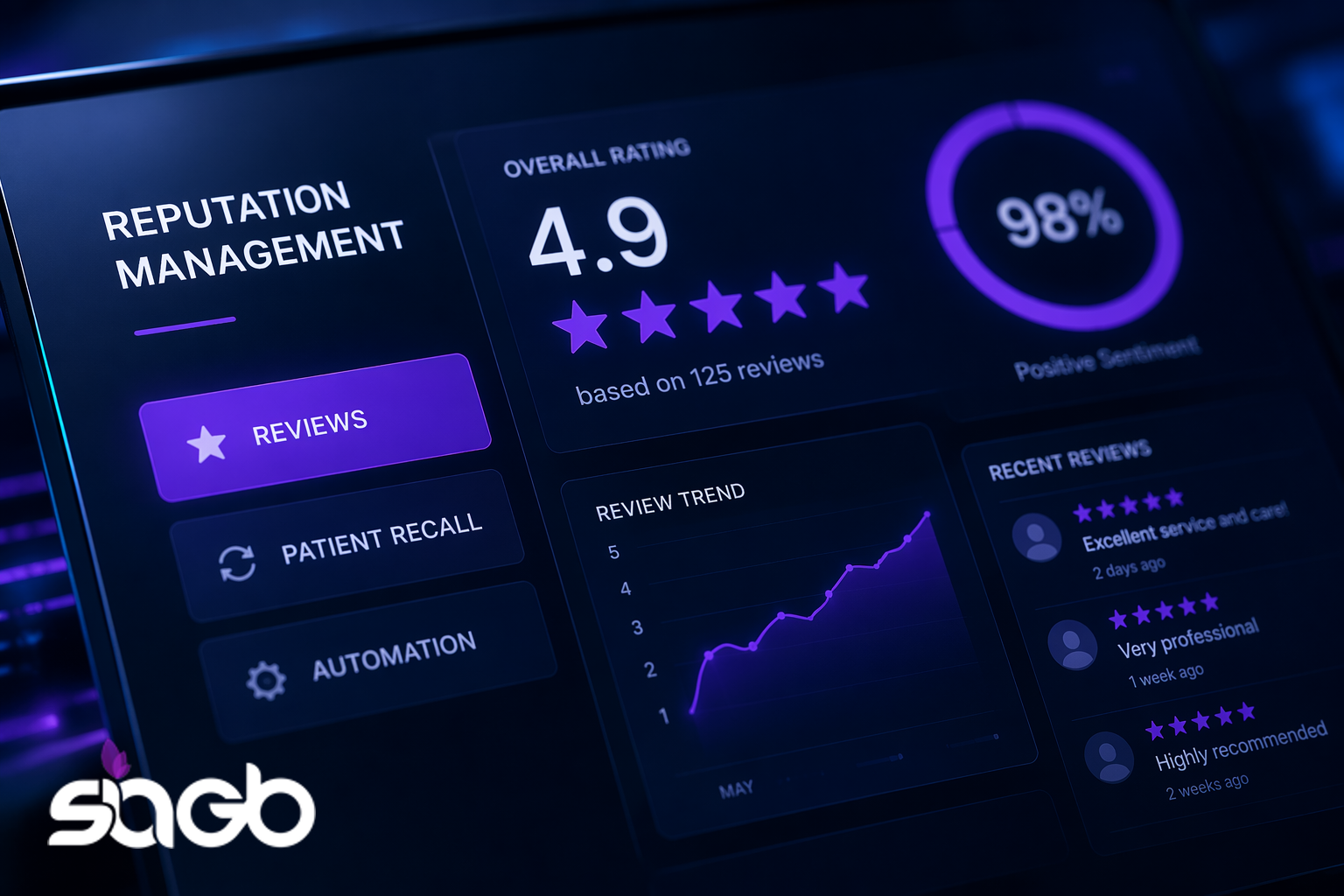
AI agents monitor reviews tied to the google business profile and draft responses. Humans approve sensitive replies. Tone stays right. Time gets saved. This supports local seo without cutting corners.
Agents also support patient recall system workflows and simple ai chatbot interactions. Follow ups, reminders, engagement nudges. Ethical use only. No spam. Done right, this builds trust and improves outcomes.
Honestly? That surprised me the first time I saw it work.
HIPAA Compliance, Data Security, and Cybersecurity Risks
AI SEO increases data exposure if designed poorly. A hipaa compliant website must control data flow, storage, and access, in line with the HIPAA Privacy Rule (2003) and the Omnibus Rule (2013) that extended liability to business associates.
AI agents should avoid PHI unless built for it under a signed Business Associate Agreement. Logs, prompts, and analytics all matter. For example, an agent must never send a patient name or appointment reason to a third-party model that isn’t covered by a BAA. Cybersecurity for doctors is already complex. AI adds another layer.
Healthcare cybersecurity threats include prompt injection, insecure APIs, and weak access control. In contrast to marketing sites, a clinic breach can trigger reportable events under HIPAA within 60 days. An ai agent must operate within strict boundaries. Otherwise, the risk outweighs the reward when you use ai at scale.
End to End AI SEO Strategy vs Tool Only or Consultant Only Models
Tool only models deliver dashboards. Consultant only models deliver reports. Neither fixes issues quickly or improves seo performance on its own.
End to end delivery means accountability. The agent executes. Humans oversee. Results get measured through Google Analytics 4 and Google Search Console. Adjustments happen weekly, not quarterly.
SIAGB applies ai powered seo this way. Problem first. Tool second. Agent third. Our founder, Sheetal Dhadial, brings 20+ years of IT and AI leadership and holds Certified Scrum Master and AgilePM credentials, so the workflow is run like a governed delivery, not a set-and-forget script. This approach works for US healthcare and for ai consulting for retail businesses where scale matters. It’s how teams decide on the right ai seo agent for their context, not the flashiest one.
Pro Tip: If no one owns outcomes, SEO stalls.
Infographic: How Agentic SEO Operates in Healthcare
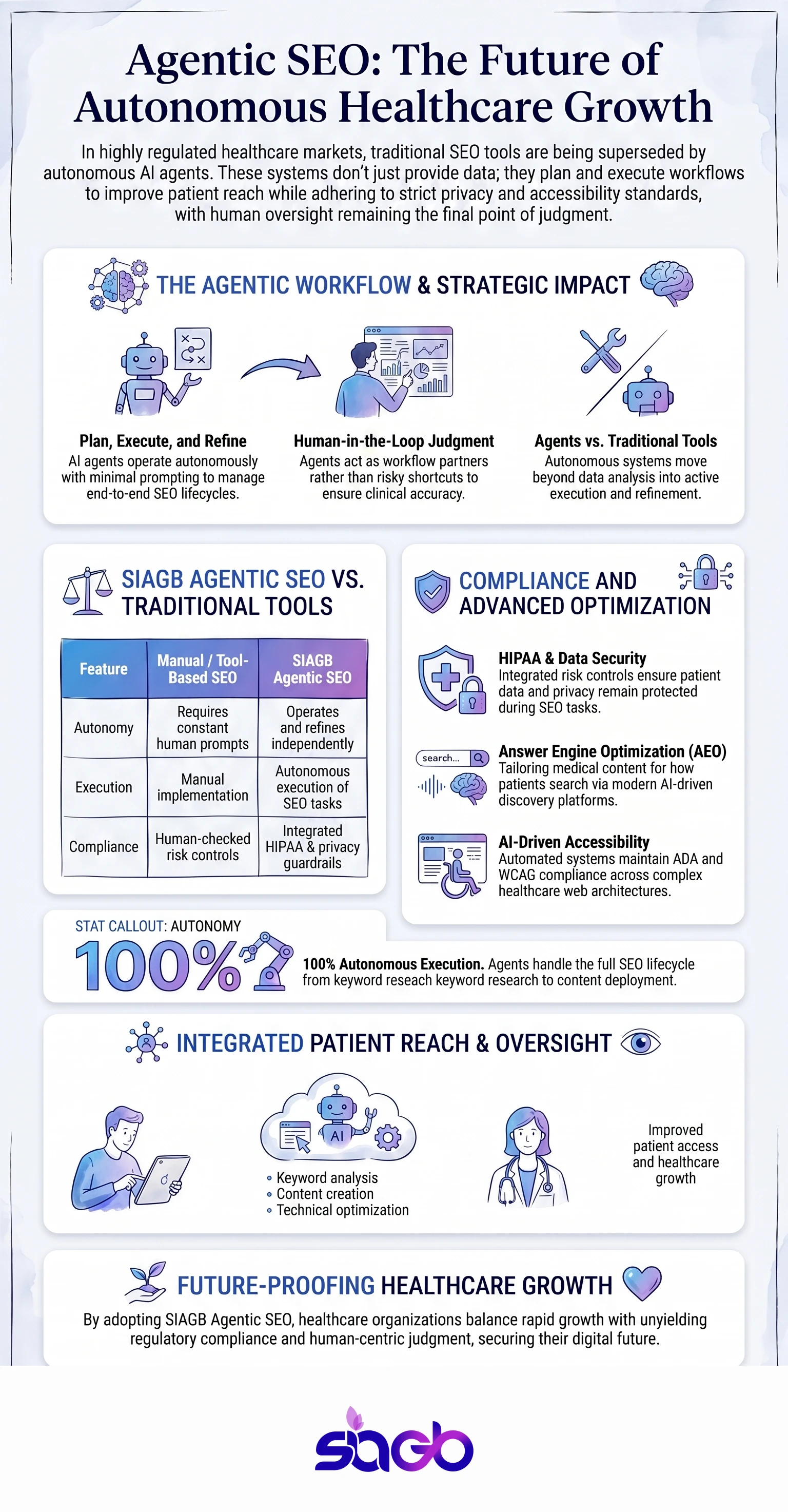
Visual flow showing data input, compliance checks, agent decisions, human approvals, and optimization loops. Comparison of manual, assisted, and agentic seo workflows using relevance ai style decision layers.
Frequently Asked Questions
Are AI agents for SEO safe for healthcare websites?
Yes, when designed with controls. An ai agent must respect compliance, privacy, and approval workflows. Unsupervised automation isn’t safe.
How is an SEO agent different from an AI SEO tool?
A tool provides data. A seo agent takes action. The agent completes seo tasks, checks results, and adapts using feedback from ai search behavior.
Can AI agents handle keyword research for medical SEO?
They can. Agents run keyword research continuously and map intent. Humans still review clinical relevance and search intent.
Do AI agents replace SEO professionals?
No. They support them. SEO professionals and the wider seo team set direction, manage risk, and guide the agent.
Is agentic SEO suitable for small practices?
In many cases, yes. Especially when time is limited and consistency matters. Scale can be adjusted, and the best ai agent setups grow with the practice.
Key Takeaways and Practical Next Steps
AI agents deliver value when used with structure and oversight. In healthcare, compliance and accuracy come first. Evaluate agents on outcomes, not demos. Start small, measure results, then expand. Done right, an ai optimized website healthcare teams trust is possible without the hype.
Sources
- MIT Technology Review (technologyreview.com)
- Stanford HAI - Human-Centered AI (hai.stanford.edu)

Want to explore this further?
Book a Free Consultation