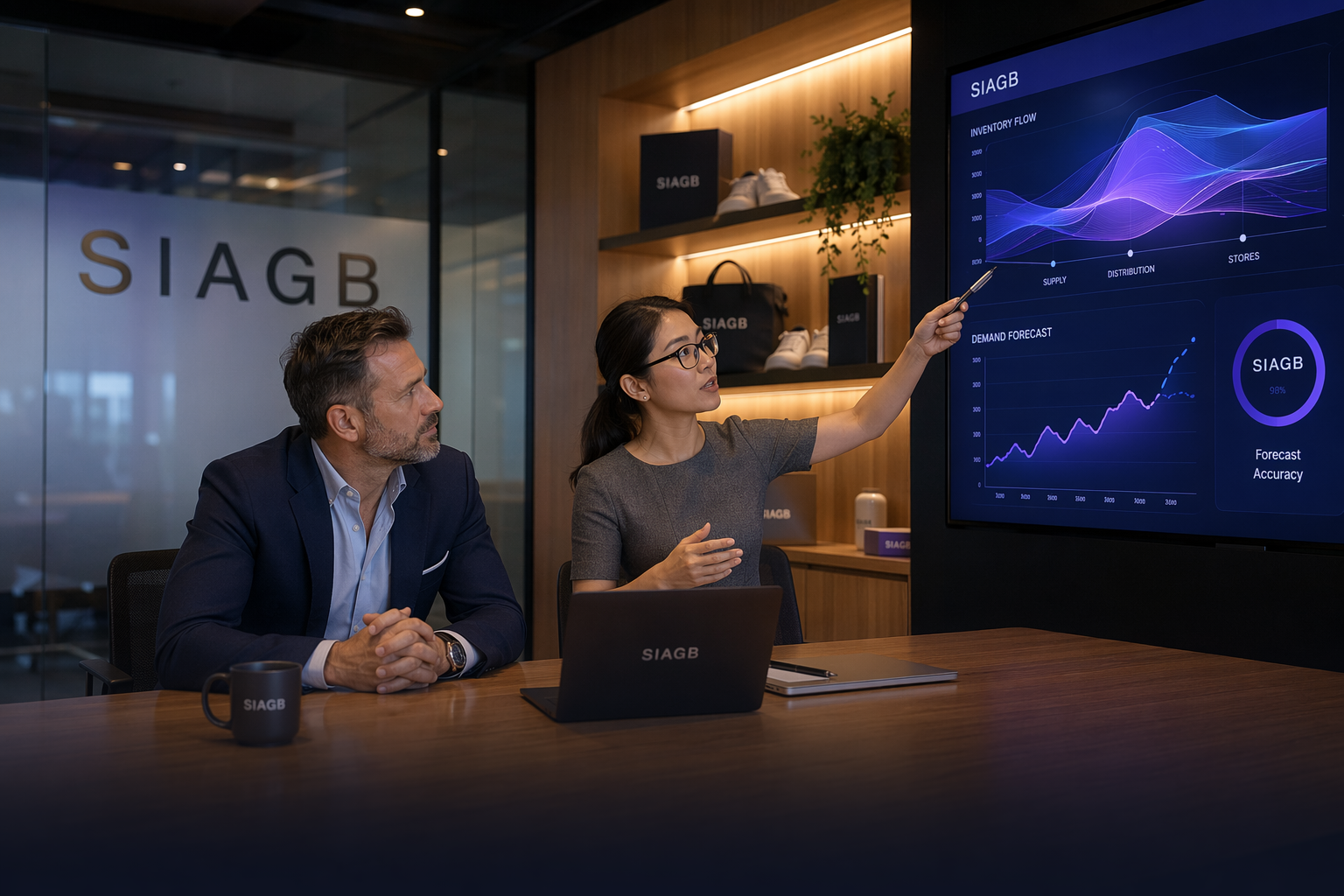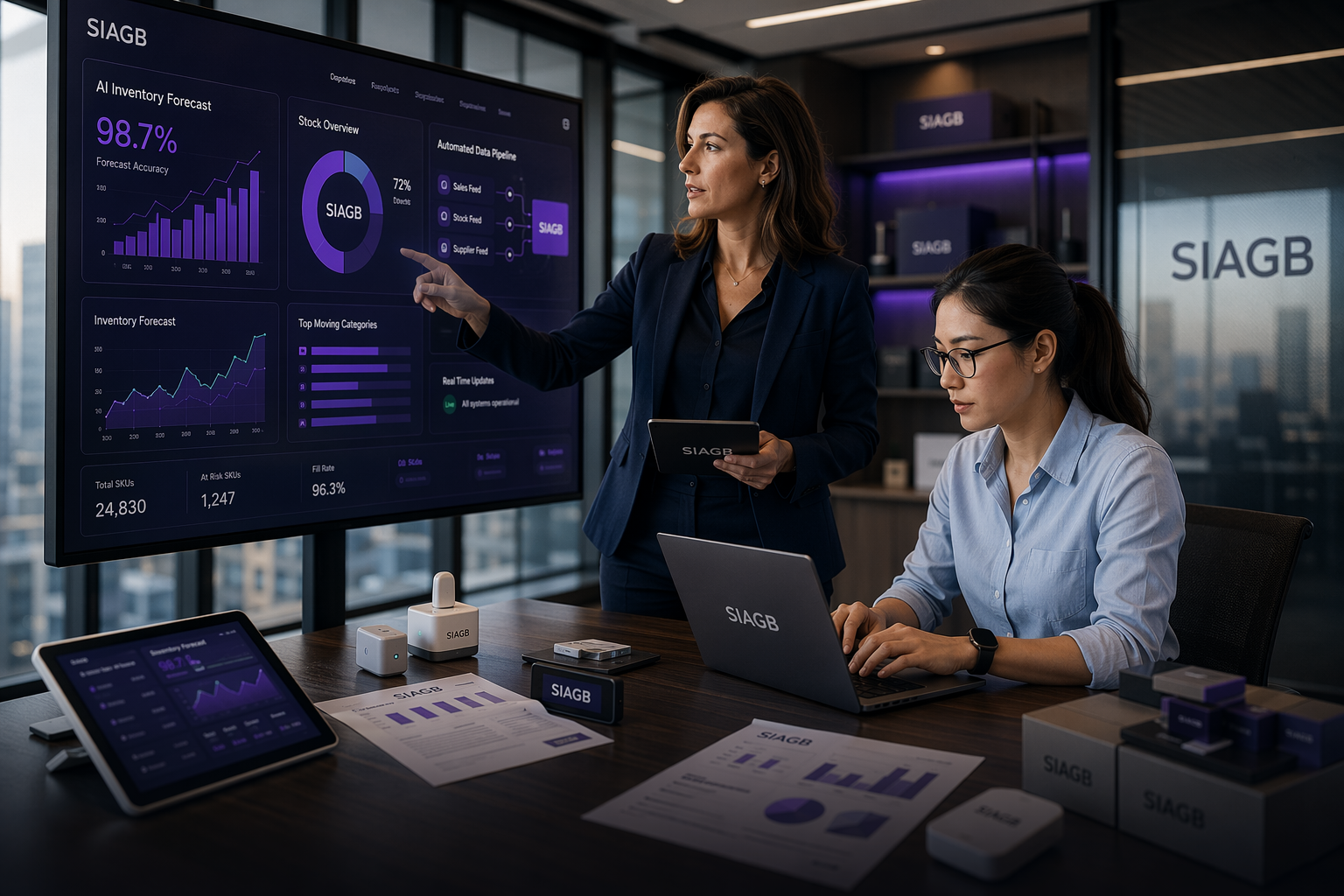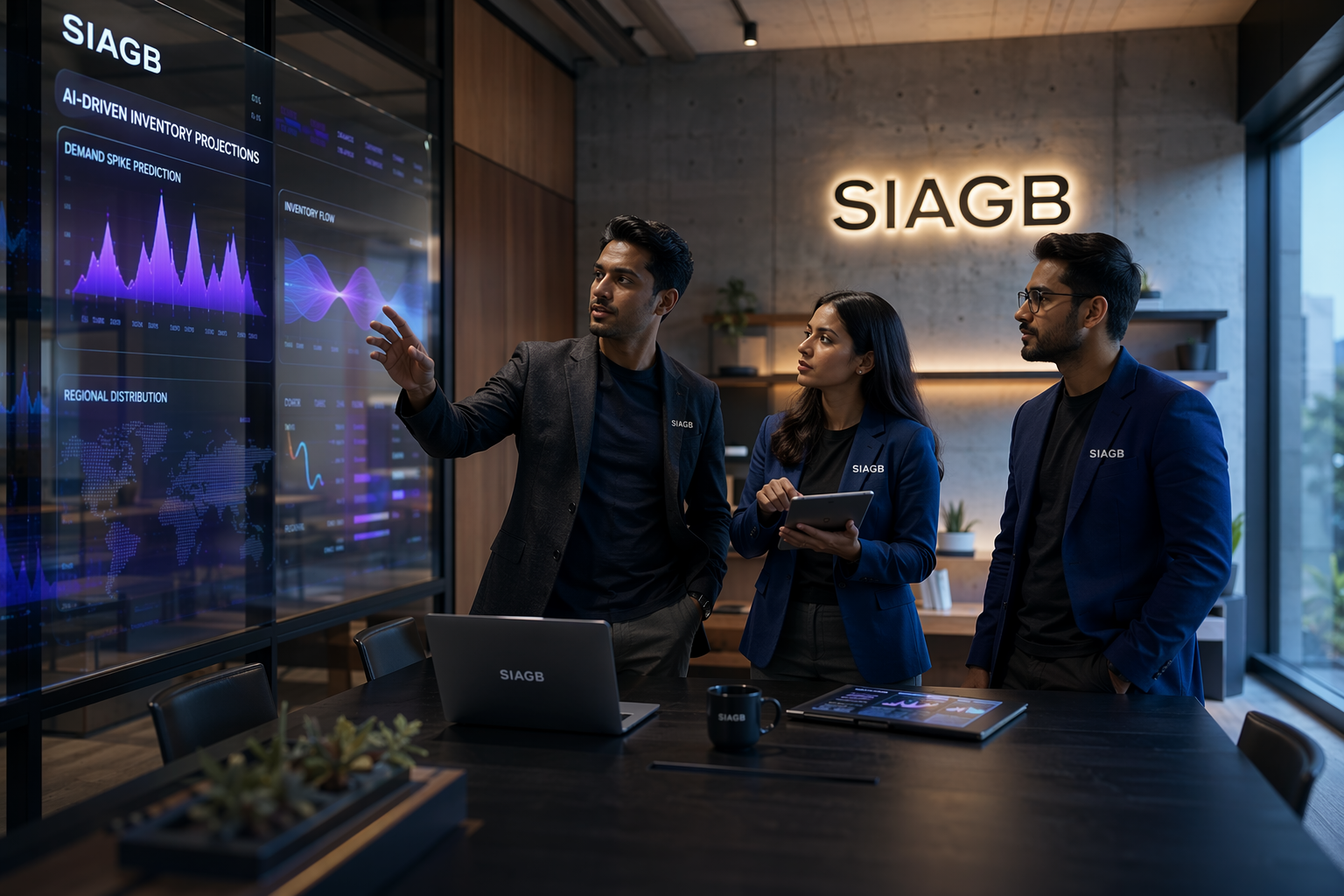
AI solutions for retail business consulting focus on fixing real problems using data-led systems. When done right, an ai solution improves operations, cuts costs, and lifts revenue with measurable ROI. When done poorly, it adds cost, complexity, and frustration.
This same problem-first mindset now shapes ai consulting for retail businesses, healthcare, and medical practice website design. Leaders want results, not hype. Honestly? That’s fair.
Introduction: Why Retail Businesses Look to AI Consulting
Margins are tight. For a typical US specialty retailer, net margin sits near 3 to 5 percent, so a 1 percent gain in inventory accuracy moves real money. Costs keep climbing. Staff are harder to find. And customer behavior shifts faster every year. Many leaders feel stuck between standing still and chasing the next big promise. Sound familiar?
AI consulting for retail businesses shouldn’t feel risky. A retail ai solution works best when it targets a clear problem, not abstract innovation goals. In our work with operators, we’ve seen teams invest in pilots that never leave a slide deck. That experience builds skepticism. Fair enough.
The same hesitation shows up in healthcare SEO strategy, medical practice SEO, and answer engine optimization medical projects. Poor execution creates distrust in artificial intelligence.
So here’s the thing. Practical AI starts with the problem, then the data, then the build. This article sets realistic expectations about what an ai solution can deliver today, and where the limits still are.
What AI Solutions for Retail Business Consulting Actually Mean
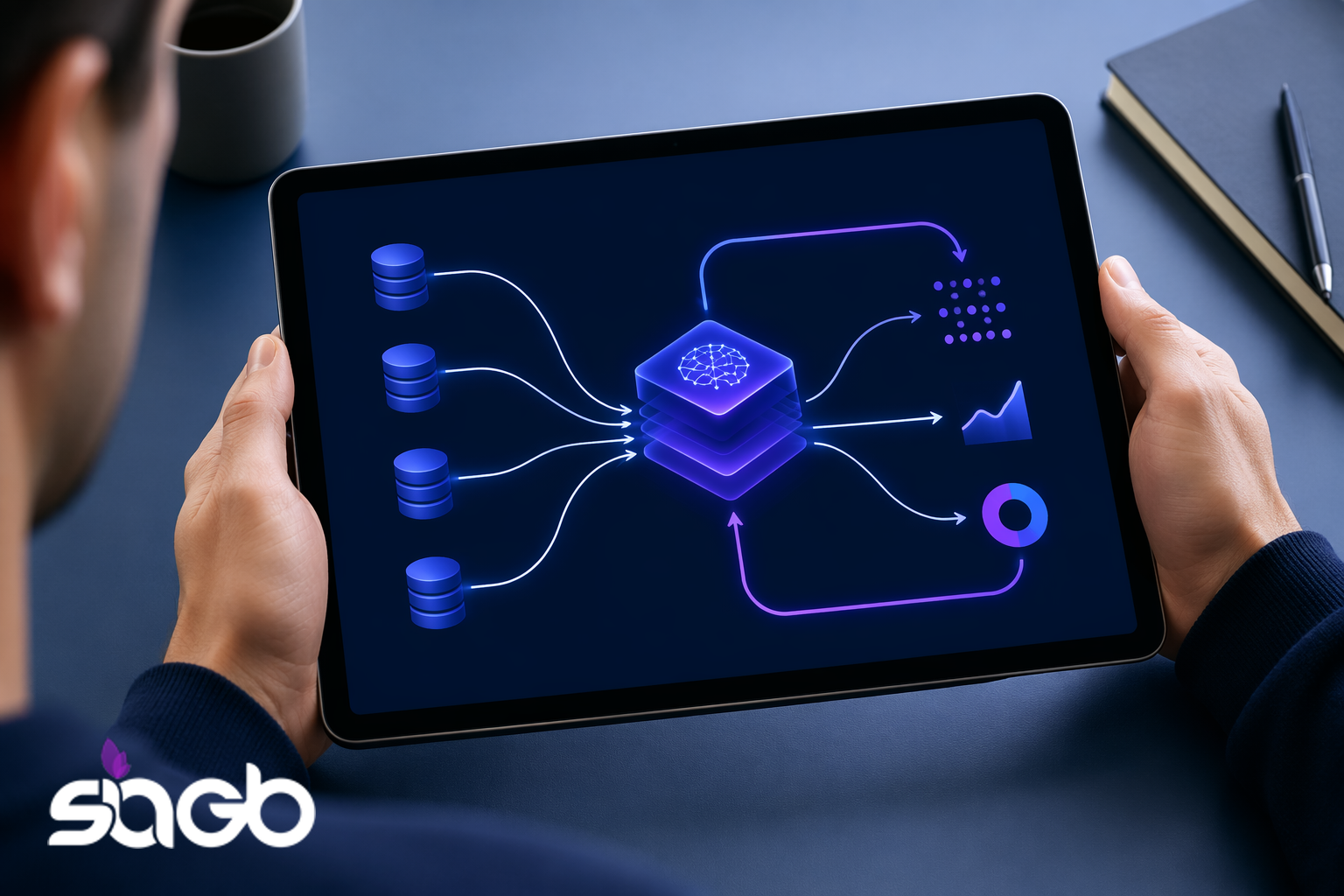
AI solutions for business consulting for retail use artificial intelligence to solve specific challenges across operations, marketing, and customer service. The focus stays on outcomes, not shiny ai tools. That’s a shift away from advisory-only models.
This outcome-first approach mirrors how modern medical website, hipaa compliant website, and healthcare website redesign projects succeed. Technology supports the goal.
Most consulting services follow five stages:
- Problem discovery across operations
- Data readiness across POS, inventory, and commerce platforms such as Shopify, Square, and NetSuite
- Solution design using proven ai technology
- Deployment into daily workflows
- Ongoing optimization and measurement
End-to-end delivery matters. Advisory-only business consulting firms often hand over a report and disappear. Teams then struggle with ai implementation. An AI-native approach designs, builds, and runs the ai system as one engagement. We track each stage against a named owner and a dated milestone, so nothing stalls in handoff.
Generative ai fits here too. Used well, it supports forecasting and planning. For example, a large language model can draft reorder notes from a demand forecast, but a human still approves the purchase order. Used poorly, it creates noise. The difference usually comes down to experience inside real environments.
Common Retail Problems AI Can Solve Today
The problems aren’t mysterious. They’re just hard to fix at scale.
High labor costs often come from poor scheduling. AI-powered solutions can optimize staffing against footfall, which for many US stores swings 30 to 40 percent between a slow Tuesday and a Saturday peak. Inventory issues are another headache. Inventory management improves when ai algorithms learn from sales history, seasonality, and supply chain signals. That reduces stockouts and waste.
Customer retention is also tough. Many struggle to personalize offers. AI uses customer data to understand customer preferences and improve timing. That lifts customer satisfaction without extra spend. The same logic applies in a skin care business managing repeat visits.
A quick reference on where AI pays back first:
| Retail problem | Signal AI reads | Common tool or method | Typical payback window |
|---|---|---|---|
| Stockouts and overstock | POS sales, seasonality, lead times | Demand forecasting model | 3 to 6 months |
| Overstaffing on slow days | Footfall, transaction volume | Workforce scheduling optimizer | 2 to 4 months |
| Weak repeat purchase | Order history, browse events | Recommendation engine | 4 to 6 months |
| Slow support queues | Ticket text, order status | Chat and voice ai agent | 1 to 3 months |
| Shrink and fraud | Transaction and video patterns | Loss-prevention anomaly detection | 3 to 6 months |
These are real results, not theory.
AI Use Cases Across Operations
AI works best inside operations. Demand forecasting uses POS data, promotions, and supply chain inputs to predict sales. For example, blending weather feeds with promotion calendars often sharpens weekly forecasts by a meaningful margin. That supports better inventory management and smoother supply chain planning.
Workforce scheduling is another strong use case. AI tools match skills to demand. Loss prevention also benefits from pattern detection.
And yes, an ai agent can surface insights in time to act. Not weeks later. That’s the value.
AI in Marketing and Customer Experience
Retail marketing struggles with scale. Personalization takes time. This is where marketing services powered by AI help.
Recommendation engines analyze customer interaction and shopping history. They drive product recommendations and personalized recommendations in real time. That improves the shopping experience and boosts customer engagement.
There is a discovery shift too. Shoppers now start inside ChatGPT, Perplexity, and Google AI Overviews, not only in a search box. To be quoted there, product and FAQ pages need clean structure. In practice that means schema.org markup such as Product, Offer, and FAQPage, plus fast pages that meet Core Web Vitals, for example Largest Contentful Paint under 2.5 seconds and Cumulative Layout Shift under 0.1. It also means accessible pages that meet WCAG 2.2 AA, because the same clean markup that helps a screen reader helps an AI model parse your catalog.
AI agents also support customer support and customer service through chat and voice. Simple queries get handled fast. Teams focus on complex cases. This same generative ai approach now supports online reputation healthcare and review workflows.
But look, generative ai only works with guardrails. Otherwise, it’s noise.
AI-Native Consulting vs Bolt-On AI
AI-native consulting treats AI as core. Bolt-on AI treats it as an add-on. The difference shows up fast.
AI-native teams design workflows around learning systems. Data flows cleanly. Ownership is clear. Bolt-on approaches struggle with integration.
Comparison frameworks make this clear:
- AI-native delivery offers faster ROI
- Bolt-on models rely on handoffs
- AI-native systems adapt to market trends
The same contrast appears in web consulting service projects and internet marketing consulting service engagements.
Data Readiness and Integration Challenges
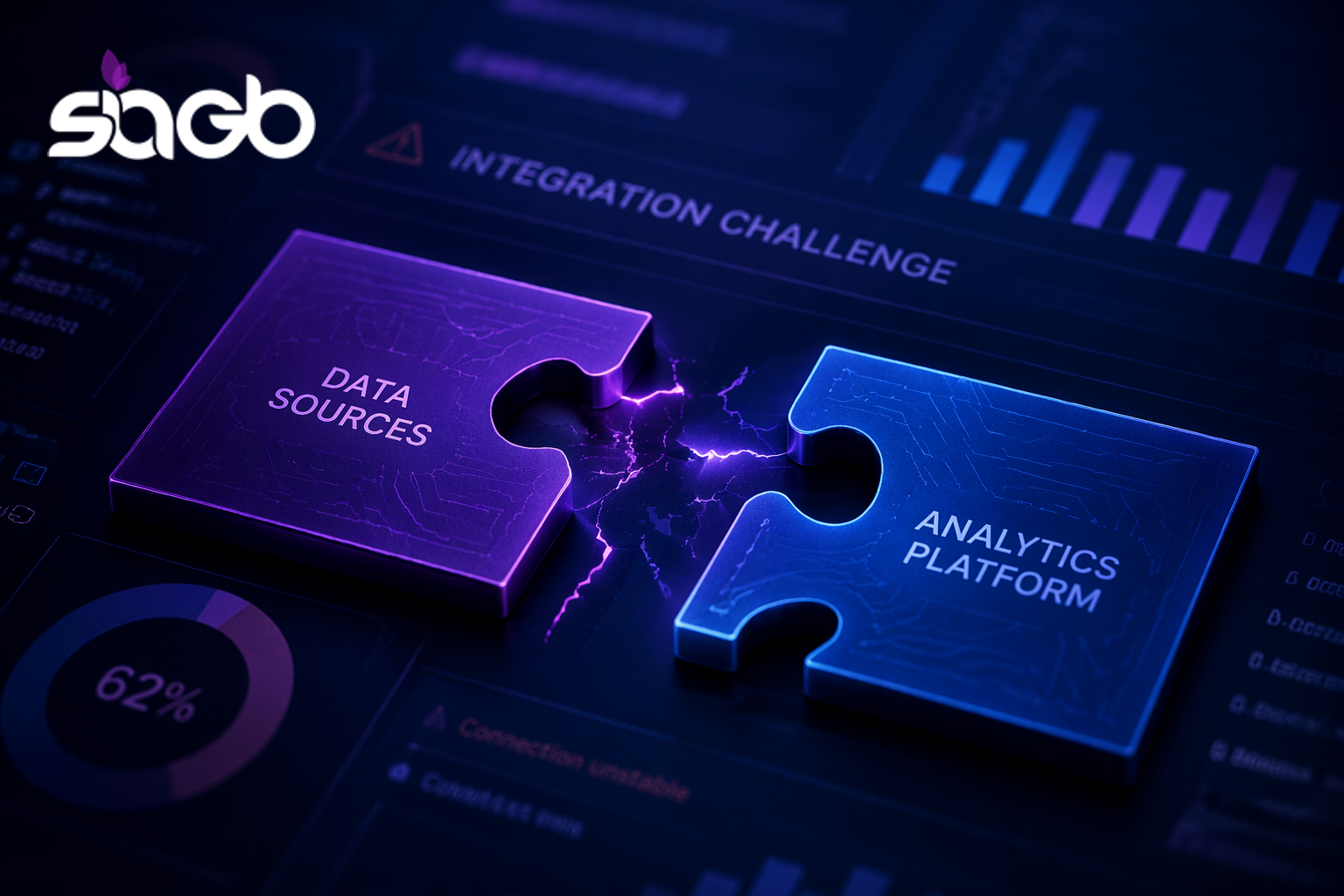
Data is messy. POS, inventory, and CRM tools rarely connect cleanly. Customer data sits in silos. Access rules differ, and in the US that now includes state privacy law such as the California Consumer Privacy Act, plus FTC guidance on automated decisions.
Data quality matters more than model choice. Missing fields and delays hurt results. In our work, we’ve seen strong ideas fail because data wasn’t ready, for example when 15 percent of SKUs had no supplier lead time recorded.
The same issues affect healthcare cybersecurity and compliance work.
Any ai consultant should tackle governance early. This work isn’t glamorous. But it decides success.
Measuring ROI from AI
Leaders want numbers. Fair enough.
Cost savings often come first. Labor efficiency improves. Inventory accuracy rises. Supply chain planning gets tighter. Revenue uplift follows through better product recommendations. We track four numbers per engagement: gross margin, inventory turns, labor as a percent of sales, and repeat purchase rate.
The trap is vanity metrics. Dashboards don’t pay bills. ROI must link to margin and cash flow. That’s what matters.
This applies to online business growth and international business expansion too. AI needs clear owners and review cycles, for example a monthly review with the store operations lead.
Case-Style Examples of Results
One multi-store operation reduced stockouts by 18 percent using AI forecasting. Excess inventory dropped by 12 percent. Inventory management improved within six months.
Another deployed an ai agent for customer service. Response times fell from hours to minutes. Customer satisfaction rose. That surprised me, honestly.
These results came from practical ai powered solutions, not experiments.
When to Invest and When to Wait
Businesses are ready when problems are clear, data exists, and leaders own outcomes. Change management matters.
AI adds little value when goals are vague. Or when no one owns the result. Sometimes the right advice from consulting services is to wait.
That builds trust.
How SIAGB Delivers End-to-End AI Solutions
SIAGB starts with the problem, not the tool. We map operations, data, and constraints first. Then we design a retail ai solution that fits real workflows.
Our team builds, deploys, and optimizes under one roof. No handoffs. Founder Sheetal Dhadial brings 20 plus years of IT and AI leadership and holds Certified Scrum Master and AgilePM credentials. We operate AI products at scale, for example Marvel PTE, which serves more than 85,000 users across 900 plus institutes, and AI-powered patient scheduling built for medical groups.
We support retail, healthcare, education, and international business clients. This range helps us spot patterns others miss. Based in Sydney and registered under ABN 16 659 507 178, SIAGB delivers ai solutions for business consulting for retail that hold up in the real world, including for US operators.
Infographic: From Idea to ROI
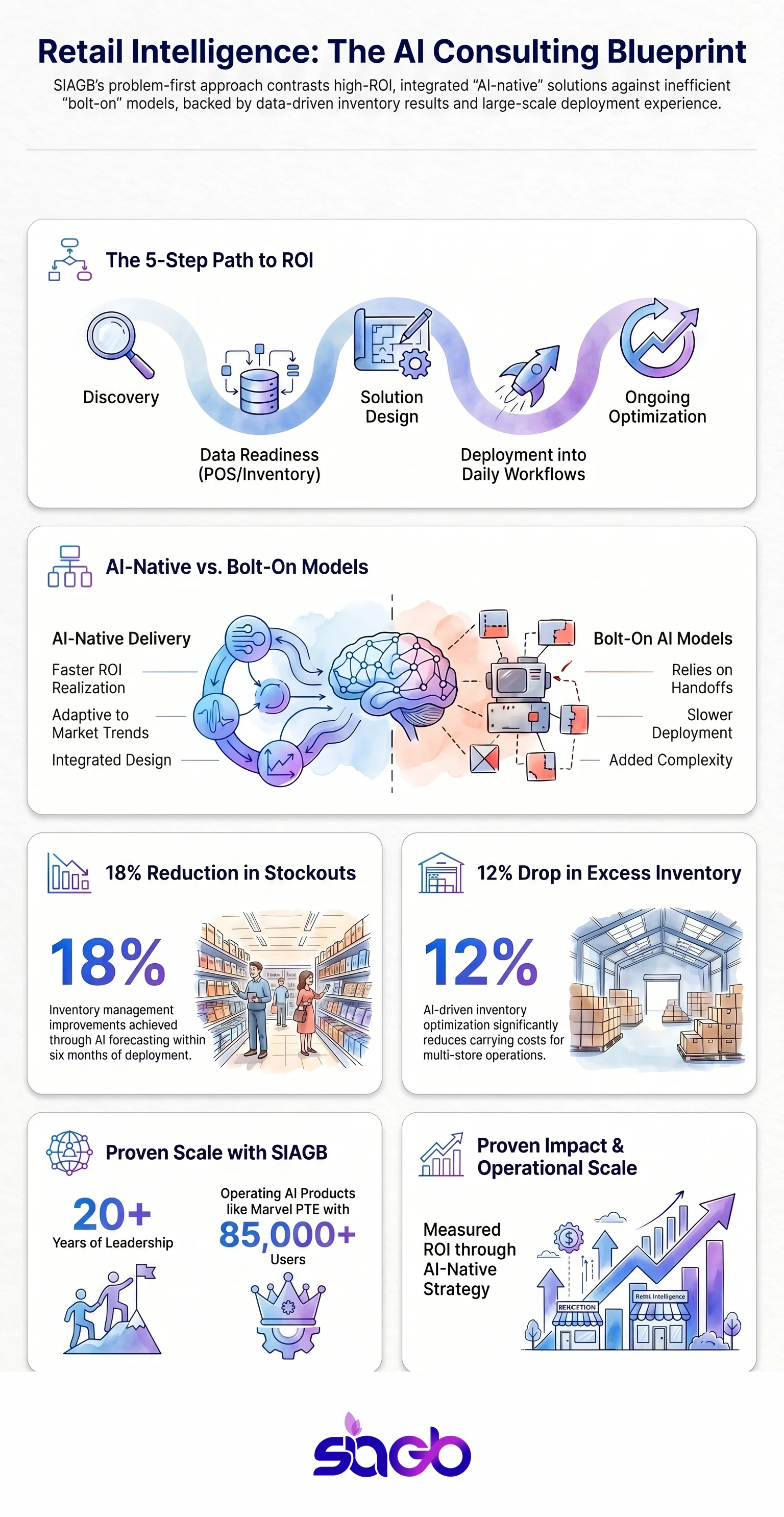
This infographic shows the journey from problem to measurable outcome. It highlights data readiness, ai implementation steps, and risk points. Simple. Clear.
Frequently Asked Questions
What does AI consulting for retail businesses include?
It includes discovery, data prep, solution design, deployment, and optimization. The goal is ROI, not just new technology.
How long does it take to see ROI?
Most see early results in three to six months. Timing depends on data and inventory complexity.
Is this only for large companies?
No. Mid-sized teams often move faster. Clear goals matter more than size.
How is AI different from analytics?
Analytics report the past. AI systems learn and adapt in real time.
Can this support online and international growth?
Yes. AI supports online business scaling and international business expansion when data flows are ready.
Key Takeaways for Decision Makers
AI works best when tied to clear problems and metrics. Inventory, customer interaction, and operations are strong starting points. End-to-end delivery reduces risk. Bolt-on AI often fails.
Ask for evidence, not promises. Ask how data flows, who owns outcomes, and how ROI is tracked. SIAGB approaches AI with a problem-first mindset and real-world delivery experience. That’s what turns artificial intelligence into results.
Sources
- MIT Technology Review (technologyreview.com)
- Stanford HAI - Human-Centered AI (hai.stanford.edu)

Thinking about how this applies to your business?
Start a Conversation