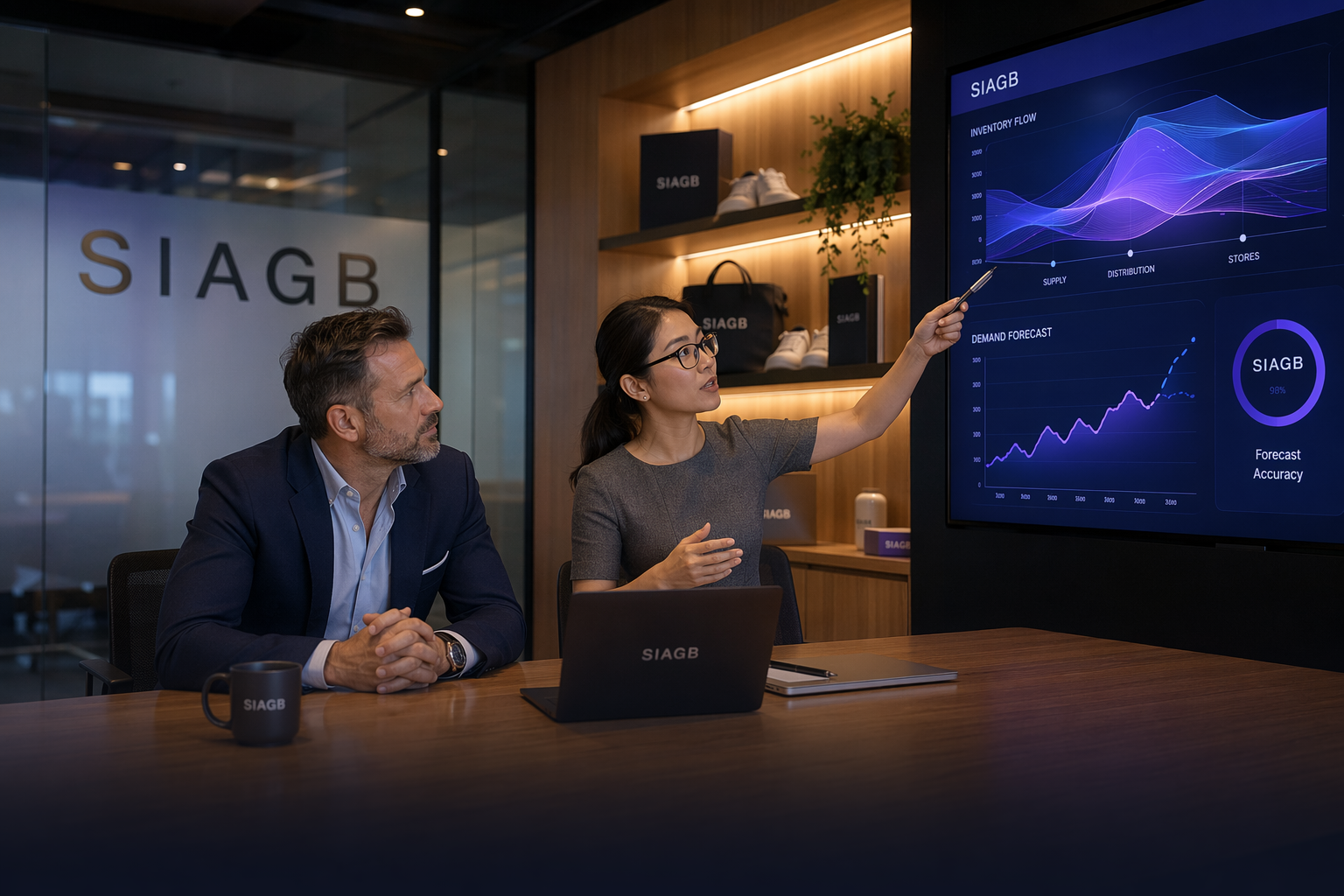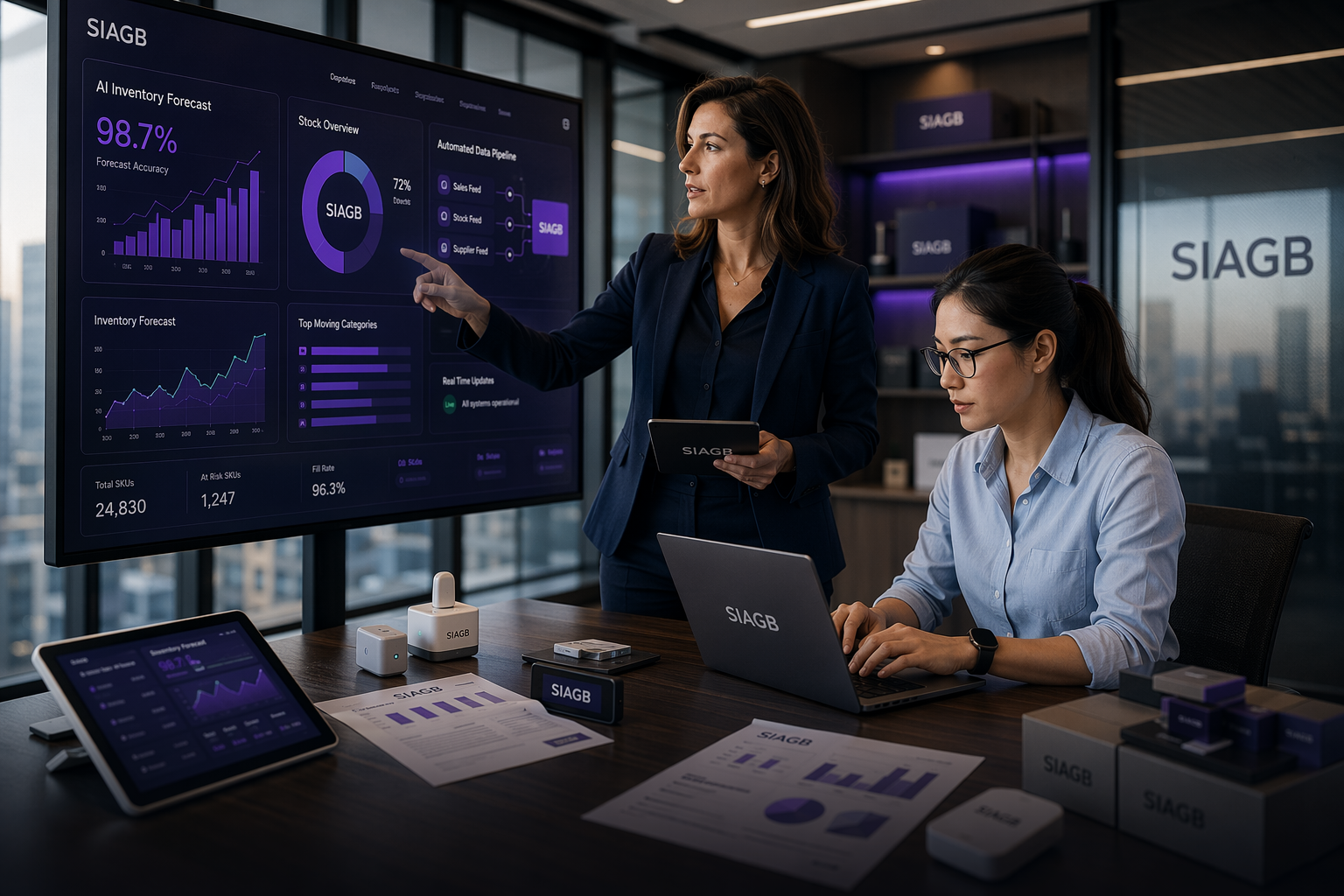
AI solutions for retail business consulting focus on fixing real problems using data-led systems. When done right, an ai solution improves operations, cuts costs, and lifts revenue with measurable ROI. When done poorly, it adds cost, complexity, and frustration.
This same problem-first mindset now shapes ai consulting for retail businesses, healthcare, and medical practice website design. Leaders want results, not hype. Honestly? That’s fair.
Why Do Retail Businesses Look to AI Consulting?
Margins are tight. Costs keep climbing. Staff are harder to find. And customer behaviour shifts faster every year. Australian retail turnover figures from the Australian Bureau of Statistics sit near 37 billion dollars a month and swing several percent between seasons, which makes manual planning harder. In our work with Sydney and Melbourne operators, the pattern is consistent: a single wet-weather week can shift foot traffic more than a whole quarter of forecasting effort assumed. Many leaders feel stuck between standing still and chasing the next big promise. Sound familiar?
AI consulting for retail businesses shouldn’t feel risky. A retail ai solution works best when it targets a clear problem, not abstract innovation goals. I’ve seen teams invest in pilots that never leave a slide deck. That experience builds scepticism. Fair enough.
The same hesitation shows up in healthcare SEO strategy, medical practice SEO, and answer engine optimisation medical projects. Poor execution creates distrust in artificial intelligence.
So here’s the thing. Practical AI starts with the problem, then the data, then the build. This article sets realistic expectations about what an ai solution can deliver today, and where the limits still are.
What AI Solutions for Retail Business Consulting Actually Mean
AI solutions for business consulting for retail use artificial intelligence to solve specific challenges across operations, marketing, and customer service. The focus stays on outcomes, not shiny ai tools. That’s a shift away from advisory-only models.
This outcome-first approach mirrors how modern medical website, hipaa compliant website, and healthcare website redesign projects succeed. Technology supports the goal.
Most consulting services follow five stages:
- Problem discovery across operations
- Data readiness across POS, inventory, and commerce platforms (Shopify, Lightspeed, Square, and Vend are the ones we meet most in Australia)
- Solution design using proven ai technology
- Deployment into daily workflows
- Ongoing optimisation and measurement
We also design retail sites so AI answer engines can read them. That means valid Product, Offer, and LocalBusiness schema.org markup, Core Web Vitals inside Google thresholds (Largest Contentful Paint under 2.5 seconds, Interaction to Next Paint under 200 milliseconds, Cumulative Layout Shift under 0.1), and WCAG 2.2 AA accessibility so a store is quotable in ChatGPT, Perplexity, and Google AI Overviews rather than skipped.
It helps to see how each solution area maps to a measurable outcome before any build begins:
| Retail AI solution area | Business outcome it targets |
|---|---|
| Demand forecasting | Fewer stockouts and less excess inventory |
| Workforce scheduling | Lower labour cost per shift |
| Personalisation engines | Higher repeat purchase and engagement |
| Customer service automation | Faster response, freed-up staff time |
| Loss prevention | Reduced shrinkage from earlier detection |
End-to-end delivery matters. Advisory-only business consulting firms often hand over a report and disappear. Teams then struggle with ai implementation. An AI-native approach designs, builds, and runs the ai system as one engagement.
Generative ai fits here too. Used well, it supports forecasting and planning. Used poorly, it creates noise. The difference usually comes down to experience inside real environments.
What Retail Problems Can AI Solve Today?
The problems aren’t mysterious. They’re just hard to fix at scale.
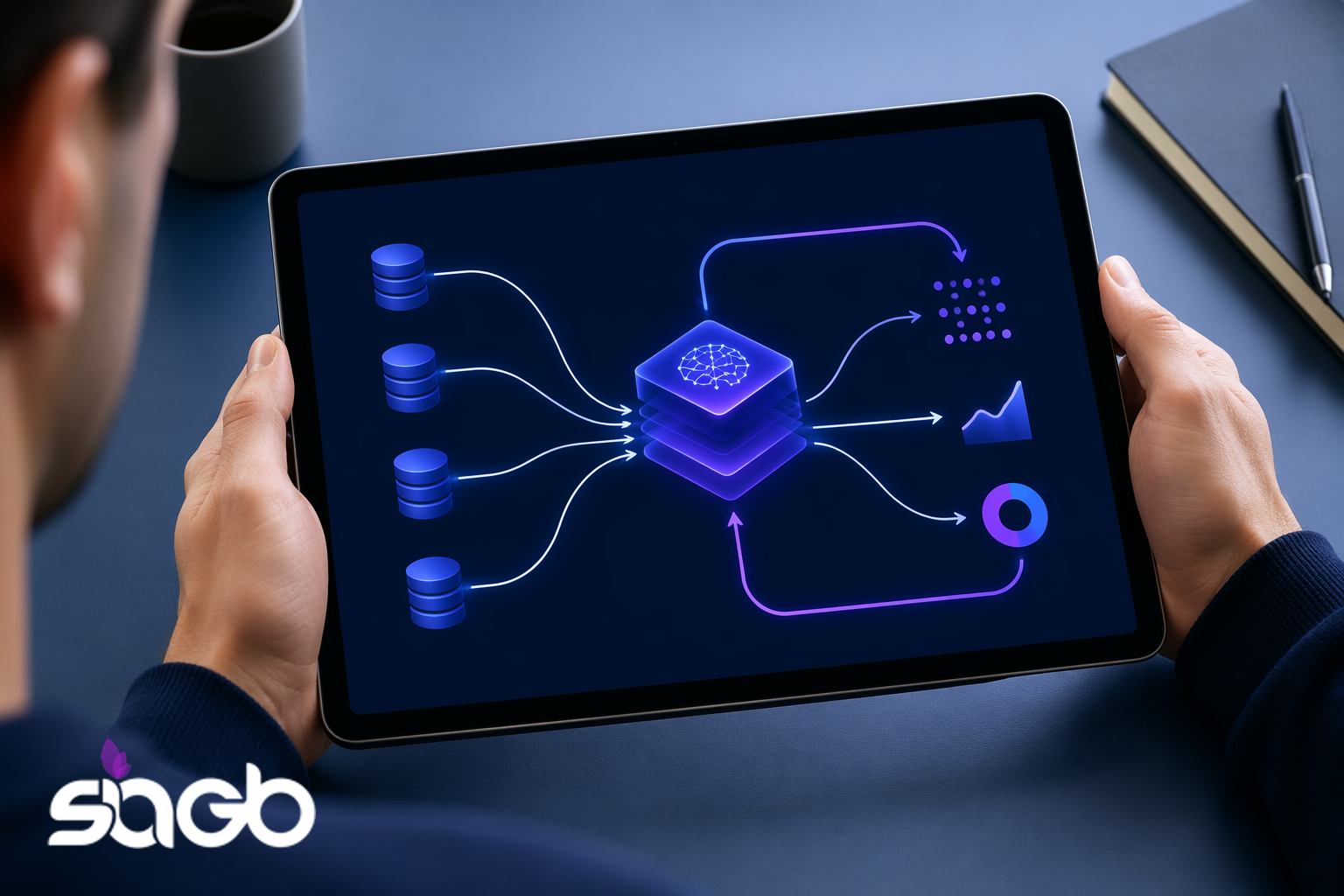
High labour costs often come from poor scheduling. Award wages under the General Retail Industry Award 2020 mean penalty rates on Sundays and public holidays, so a shift rostered an hour too early quietly burns margin. AI-powered solutions can optimise staffing against forecast demand. Inventory issues are another headache. Inventory management improves when ai algorithms learn from 18 to 24 months of sales history, seasonality, and supply chain signals. In our forecasting work we track two numbers weekly: forecast accuracy (measured as weighted MAPE) and weeks-of-cover per SKU. That reduces stockouts and waste.
Customer retention is also tough. Many struggle to personalise offers. AI uses customer data to understand customer preferences and improve timing. That lifts customer satisfaction without extra spend. But personalisation in Australia has to respect the Privacy Act 1988 and the Australian Privacy Principles, and any loyalty or SMS programme has to honour the Spam Act 2003 opt-out rules, so we build consent tracking in from day one. The same logic applies in a skin care business managing repeat visits.
These are real results, not theory.
AI Use Cases Across Operations
AI works best inside operations. Demand forecasting uses POS data, promotions, and supply chain inputs to predict sales. That supports better inventory management and smoother supply chain planning.
Workforce scheduling is another strong use case. AI tools match skills to demand. Loss prevention also benefits from pattern detection.
It helps to line up each use case against the retail function it serves:
| AI use case | Retail function | Typical signal it uses |
|---|---|---|
| Demand forecasting | Buying and merchandising | POS sales, promotions, seasonality |
| Smart replenishment | Inventory and supply chain | Stock levels, lead times |
| Dynamic personalisation | Marketing | Browsing and purchase history |
| Conversational support | Customer service | Order data, common queries |
| Anomaly detection | Loss prevention | Transaction patterns |
And yes, an ai agent can surface insights in time to act. Not weeks later. That’s the value. Guidance from the Australian Retailers Association points to the same theme: technology investment should map back to the day-to-day pressures stores actually face.
AI in Marketing and Customer Experience
Retail marketing struggles with scale. Personalisation takes time. This is where marketing services powered by AI help.
Recommendation engines analyse customer interaction and shopping history. They drive product recommendations and personalised recommendations in real time. That improves the shopping experience and boosts customer engagement.
AI agents also support customer support and customer service through chat and voice. In our deployments a retrieval-augmented assistant grounded in the store’s own order data and returns policy handles the common “where is my order” and “can I return this” queries, while anything about refunds under the Australian Consumer Law gets routed to a human. Simple queries get handled fast. Teams focus on complex cases. This same generative ai approach now supports online reputation healthcare and review workflows.
But look, generative ai only works with guardrails. Otherwise, it’s noise.
AI-Native Consulting vs Bolt-On AI
AI-native consulting treats AI as core. Bolt-on AI treats it as an add-on. The difference shows up fast.
AI-native teams design workflows around learning systems. Data flows cleanly. Ownership is clear. Bolt-on approaches struggle with integration.
Comparison frameworks make this clear:
- AI-native delivery offers faster ROI
- Bolt-on models rely on handoffs
- AI-native systems adapt to market trends
The same contrast appears in web consulting service projects and internet marketing consulting service engagements.
Data Readiness and Integration Challenges
Data is messy. POS, inventory, and CRM tools rarely connect cleanly. Customer data sits in silos. Access rules differ.
Data quality matters more than model choice. Missing fields and delays hurt results. Reporting in MIT Technology Review has long made the same point: weak or poorly governed data tends to limit AI projects far more than the choice of model. In our onboarding audits the first fixes are almost never the model. They are duplicate SKUs, product titles that disagree between the POS and the website, and GTIN or barcode fields left blank, which quietly break both forecasting and Product schema markup. I’ve seen strong ideas fail because data wasn’t ready.
The same issues affect healthcare cybersecurity and compliance work.
Any ai consultant should tackle governance early. This work isn’t glamorous. But it decides success.
How Do You Measure ROI from Retail AI?
Leaders want numbers. Fair enough.
Cost savings often come first. Labour efficiency improves. Inventory accuracy rises. Supply chain planning gets tighter. Revenue uplift follows through better product recommendations.
The trap is vanity metrics. Dashboards don’t pay bills. ROI must link to margin and cash flow. That’s what matters.
This applies to online business growth and international business expansion too. AI needs clear owners and review cycles.
Case-Style Examples of Results
One multi-store operation reduced stockouts by 18 percent using AI forecasting. Excess inventory dropped by 12 percent. Inventory management improved within six months.
Another deployed an ai agent for customer service. Response times fell from hours to minutes. Customer satisfaction rose. That surprised me, honestly.
These results came from practical ai powered solutions, not experiments.
When to Invest and When to Wait
Businesses are ready when problems are clear, data exists, and leaders own outcomes. Change management matters.
AI adds little value when goals are vague. Or when no one owns the result. Sometimes the right advice from consulting services is to wait.
That builds trust.
How SIAGB Delivers End-to-End AI Solutions
SIAGB starts with the problem, not the tool. We map operations, data, and constraints first. Then we design a retail ai solution that fits real workflows.
Our team builds, deploys, and optimises under one roof. No handoffs. Founder Sheetal Dhadial brings 20 plus years of IT and AI leadership and is a Certified Scrum Master and AgilePM practitioner, so delivery runs in short, reviewable increments rather than one big-bang launch. We operate AI products at scale, including Marvel PTE, which serves more than 85,000 users across 900 plus institutes, and an AI-powered patient scheduling system built for medical groups. We are a Sydney firm (ABN 16 659 507 178), so Australian award rules, the Privacy Act, and GST-inclusive pricing are defaults in our work, not afterthoughts.
We support retail, healthcare, education, and international business clients. This range helps us spot patterns others miss. SIAGB delivers ai solutions for business consulting for retail that hold up in the real world.
Infographic: From Idea to ROI
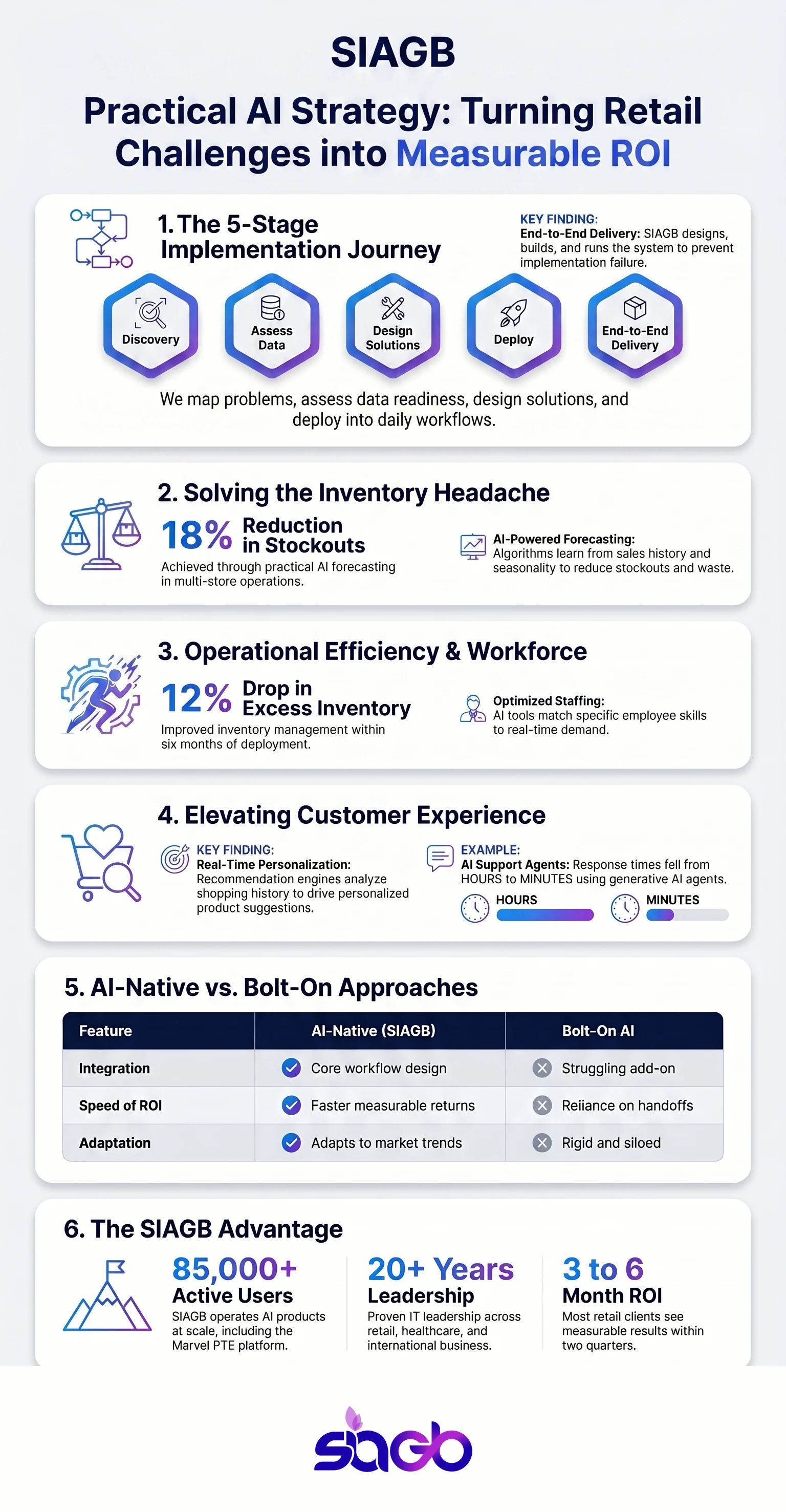
This infographic shows the journey from problem to measurable outcome. It highlights data readiness, ai implementation steps, and risk points. Simple. Clear.
Frequently Asked Questions
What does AI consulting for retail businesses include?
It includes discovery, data prep, solution design, deployment, and optimisation. The goal is ROI, not just new technology.
How long does it take to see ROI?
Most see early results in three to six months, though clean POS and inventory data can pull that forward. A short, well-scoped first use case usually proves value faster than a broad rollout.
Is this only for large companies?
No. Mid-sized teams often move faster because decisions clear quickly and fewer legacy systems get in the way. Clear goals and an owner matter more than headcount.
How is AI different from analytics?
Analytics report the past, so someone still has to read the chart and decide. AI systems learn from new data and adapt in real time, which means they can recommend or trigger the next action automatically.
Can this support online and international growth?
Yes. AI supports online business scaling and international business expansion when data flows are ready.
Key Takeaways for Decision Makers
AI works best when tied to clear problems and metrics. Inventory, customer interaction, and operations are strong starting points. End-to-end delivery reduces risk. Bolt-on AI often fails.
Ask for evidence, not promises. Ask how data flows, who owns outcomes, and how ROI is tracked. SIAGB approaches AI with a problem-first mindset and real-world delivery experience. That’s what turns artificial intelligence into results.
Sources
- MIT Technology Review (technologyreview.com)
- Stanford HAI - Human-Centred AI (hai.stanford.edu)

Thinking about how this applies to your business?
Start a Conversation