
Introduction
Patient search behavior is changing fast in the United States. A large share of patients no longer click through ten blue links. Instead, they ask an AI platform a full question, such as “urgent care near me open now,” and read the answer it gives. For healthcare providers, this creates opportunity. But it also brings real risk tied to healthcare website accessibility, data security, and reputation management doctors must now actively manage.
AI systems like ChatGPT, Perplexity, Google AI Overviews, and Gemini pull from sources they trust. They also skip sites that look unclear, inaccessible, or unsafe. Add US healthcare rules such as HIPAA (in force since 1996), the ADA (1990), and Section 508, and the stakes rise again. This is where optimization moves beyond keywords and into governance. Frustrating as that sounds, it is now the baseline.
This guide explains answer engine optimization consulting in real healthcare terms. No hype. No shortcuts. Just how answer engine optimization, accessibility, security, and content strategy work together to support patient trust and measurable ROI for medical practices. In our work with US and global brands, we track how these signals move together rather than in isolation.
What Is Answer Engine Optimization Consulting
Answer engine optimization consulting focuses on being visible inside AI answers, not just traditional rankings. Answer engine optimization is about how AI models read, trust, and cite your content when responding to a user query, especially in answer engine optimization medical contexts.
Instead of chasing clicks, this approach helps your practice become the source an answer engine relies on. That includes Google AI Overviews, ChatGPT, Perplexity, Gemini, and voice assistants like Google Assistant and Siri used for healthcare searches across the United States.
Consulting covers more than content. It includes AEO strategy, schema.org structured data (for example MedicalOrganization, Physician, and FAQPage types), compliance checks, technical SEO alignment, and ongoing measurement through tools like Google Analytics 4 and Google Search Console. In healthcare, answer engine optimization also accounts for clinical accuracy, healthcare website accessibility, and patient privacy obligations. In our work, we found that pages carrying valid FAQPage and Physician markup are cited far more often than pages relying on prose alone.
How Patient Discovery Has Changed With AI Search
Patients now search by asking full questions. They type or speak things like, “Is this symptom serious?” or “How do I book a follow up near me?” AI driven search systems respond with one summarized answer, often read aloud in voice search results.
AI platforms such as Google AI Overviews and Perplexity scan trusted medical content, Google reviews, and structured data to create AI summaries and featured snippet style responses. Often, the patient never sees a classic search result list. They see one answer driven by AI search visibility signals.
If your practice is not cited by AI answer engines, you are invisible in that moment. Google AI Overviews and other AI systems reward clarity, authority, and clean structured data. This is why answer engine optimization medical planning now matters as much as search engine optimization once did. We track citation share by prompt, for example counting how often a clinic appears when we ask ChatGPT and Perplexity the same 20 patient questions.
Traditional Medical Practice SEO vs AEO
Medical practice SEO focuses on rankings, traffic, and keywords. Answer engine optimization focuses on answers, trust, and authority inside an AI driven platform. To make the contrast concrete, here is how the two disciplines compare.
| Dimension | Traditional medical SEO | Answer engine optimization (AEO) |
|---|---|---|
| Primary goal | Rank in the top 10 blue links | Win the citation inside an AI answer |
| Main surfaces | Google organic results, maps pack | ChatGPT, Perplexity, Google AI Overviews, Gemini |
| Success metric | Clicks, sessions, keyword position | Citation share, brand mentions in AI answers |
| Core signals | Backlinks, keywords, page speed | schema.org markup, E-E-A-T, clear authorship |
| Content shape | Long articles for crawlers | Question-first blocks answer engines can quote |
| Compliance weight | Helpful | Mandatory (HIPAA, ADA, WCAG) |
| Update cadence | Monthly reporting | Continuous prompt monitoring |
Traditional search engine optimization aims to win a position on a page. Answer engine optimization aims to win the citation inside an AI generated answer or snippet. That shift changes how content strategy, structure, and optimization signals are built for AI content medical practice growth. Unlike classic SEO, where a page two ranking still earns some traffic, an answer engine typically cites one to three sources and ignores the rest.
In healthcare, compliance raises the bar. Answer engines look for accessibility, secure forms, and clear authorship. An answer engine will avoid content that looks risky. That is a key difference many healthcare SEO strategy plans still miss, and thankfully it is one of the easier gaps to close.
AI SEO and Agentic SEO Explained Simply
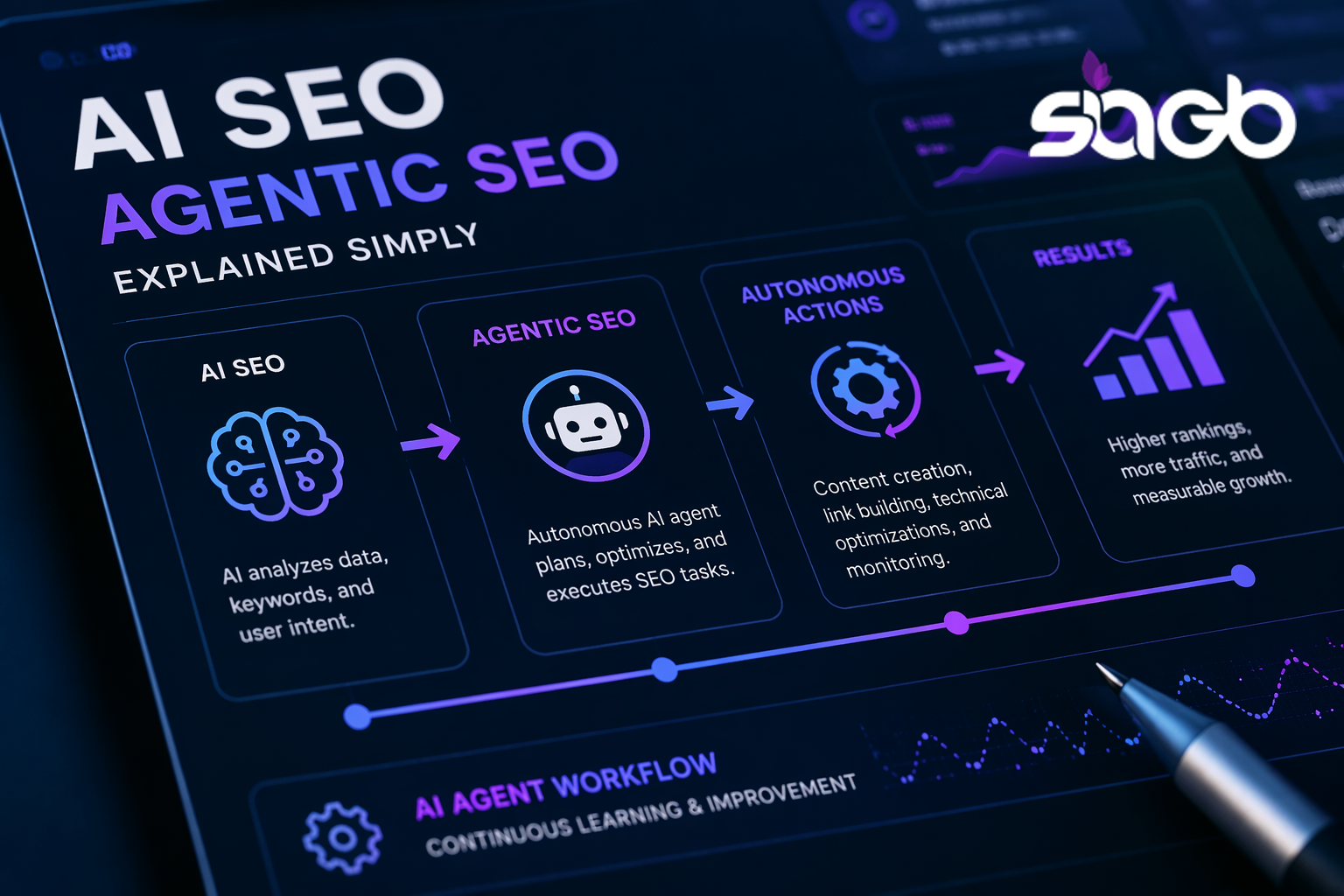
AI SEO uses AI systems to support engine optimization tasks. Agentic SEO goes a step further. It uses AI agents for SEO that can monitor, test, and improve parts of your site automatically across AI driven platforms.
Automated agents can adjust schema, refine structured data, test content layouts, and improve internal linking. They watch how Google AI Overviews and other AI responses change over time and adapt using AI search optimization methods. For example, an agent can re-check your FAQPage markup every 24 hours and flag any field that breaks.
But healthcare is not hands off. Human oversight is critical. AI tools help scale work, but clinicians and consultants must review medical accuracy, compliance, and tone. Agentic AI for marketing works best when people stay in control of the rules. Our founder, Sheetal Dhadial, brings 20 plus years of IT and AI leadership and is a Certified Scrum Master and AgilePM practitioner, so we build these agent workflows with the same review gates we use in software delivery.
Key areas where agentic SEO supports healthcare growth include:
- Monitoring answer engine optimization performance and citations
- Testing structured data accuracy for AI systems
- Flagging accessibility, compliance, and optimization gaps
Healthcare Website Accessibility and Legal Risk
Healthcare website accessibility is not optional in the United States. Medical websites must meet accessibility standards so all patients can use them, including people using screen readers and voice assistants. The working benchmark is WCAG 2.1 AA, with WCAG 2.2 AA now the target most auditors apply.
Many practices fail basic WCAG healthcare website checks. Missing form labels, poor color contrast (WCAG requires at least a 4.5 to 1 ratio for normal text), and broken keyboard navigation are common. These issues do not just frustrate patients. They increase legal risk tied to ADA compliance medical website requirements and hurt AI search visibility.
ADA website lawsuit doctors face often start with simple accessibility gaps under ADA Title III. Patient portals are a frequent problem. If an ADA compliant patient portal is not in place, risk rises fast. Accessibility also affects how AI answer engines index and trust your site. Unfortunately, many clinics discover the gap only after a demand letter arrives.
Why ADA and WCAG Matter for Medical Practices
WCAG defines how content must work for assistive technology, for example screen readers such as JAWS, NVDA, and VoiceOver. It covers text structure, forms, navigation, and media. ADA compliance medical website expectations often reference the WCAG 2.1 AA success criteria directly.
ADA enforcement for websites is increasing across the US. Medical practices are visible targets because they serve the public. An ADA website lawsuit doctors face can be costly and distracting, and settlements plus remediation frequently run into five figures.
There is another angle. Accessible sites are easier for AI models to read. Clean semantic structure, clear headings, descriptive alt text, and proper schema help both patients and AI answer engines trust your content. In our audits we found the same fixes that satisfy WCAG also lift how reliably ChatGPT and Perplexity quote a page.
HIPAA, Cybersecurity, and AI Marketing Systems
A HIPAA compliant website protects patient data across contact forms, booking tools, and portals. That responsibility extends into AI driven marketing systems, analytics, and automated workflows. Under HIPAA, any vendor touching protected health information should sign a Business Associate Agreement (BAA) before a single record flows through their tools.
AI systems that collect or analyze patient data must follow strict handling rules. This includes chatbots, patient recall tools, and reporting dashboards. For instance, standard Google Analytics 4 should never receive names, emails, or appointment reasons, so we strip or hash identifiers before any event is sent. A weak setup creates risk for medical practice data security and optimization efforts.
Healthcare cybersecurity threats are rising. According to the US Department of Health and Human Services, breaches affecting 500 or more patients are reported by the hundreds every year through its public portal. Cybersecurity for doctors now includes protecting websites, integrations, and AI platforms, for example enforcing TLS 1.2 or higher and multi-factor authentication on every admin login. A breach damages trust and can remove your site from AI systems that value safety and compliance.
Modern Medical Website Design for AI and Patients
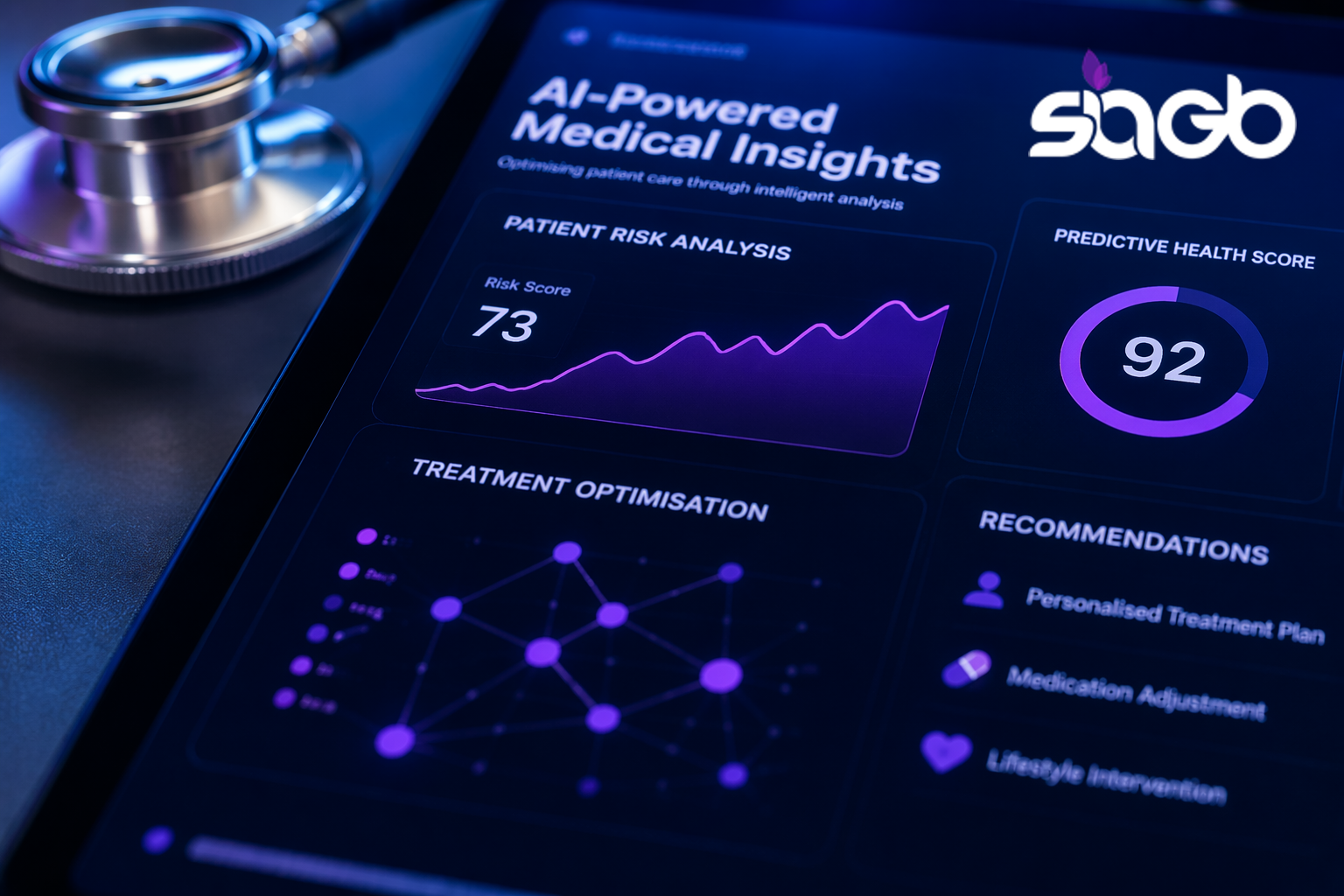
Modern medical website design balances speed, clarity, and trust. It must work for patients and for AI systems that scan, summarize, and surface content in AI powered search.
Design choices affect how an answer engine understands your site. Clear page structure, accessible forms, and fast load times help AI driven search systems read your content accurately. In practice, that means passing Core Web Vitals: a Largest Contentful Paint under 2.5 seconds, an Interaction to Next Paint under 200 milliseconds, and a Cumulative Layout Shift under 0.1.
A healthcare website redesign should align web development with engine optimization goals. That includes search engine optimization, answer engine optimization, compliance, and security. Medical practice website design done in silos often falls short. We have built exactly this kind of connected system, for example an AI-powered patient scheduling tool designed for medical groups, where speed, accessibility, and HIPAA-safe data handling all had to hold together.
AI Optimized Content for Medical Practices
AI optimized content for healthcare answers real patient questions clearly. It avoids fluff and sticks to accuracy. Volume matters less than trust and consistency in content strategy.
Answer engines look for well structured content with citations, schema, and clear intent. This is where AI search optimization and answer engine optimization overlap.
Good content feeds multiple systems. It supports AI responses, voice assistants, chatbots, and classic search engine results. A strong content plan treats content as infrastructure, not blog filler.
Reviews, Reputation, and Patient Recall Systems
Google reviews medical practice profiles influence patients and AI trust signals. AI answer engines scan reviews to understand reputation, reliability, and service quality. For instance, a clinic holding a 4.7 star average across 300 reviews reads very differently to an answer engine than one with 12 reviews and no replies.
Online reputation healthcare management must stay HIPAA safe. No patient data should leak through responses or automation. Patient review management needs clear guardrails and ongoing optimization.
Patient recall systems add another layer. Automated follow ups improve care continuity and revenue. When connected correctly, they also support AI driven search signals by showing active, trusted patient engagement.
Chatbot Analytics and AI Agents in Healthcare Marketing
AI chatbots now answer common patient questions and route inquiries. When built well, they reduce staff load and improve response times across AI platforms.
US based chatbot analytics consultants must understand healthcare limits. Analytics can reveal patient intent, content gaps, and service demand without exposing sensitive data. These insights also guide AEO strategy refinement. We track metrics such as containment rate, top unanswered questions, and after-hours volume, since roughly a third of patient inquiries in our experience arrive outside standard 9 to 5 clinic hours.
Agentic AI for marketing uses these insights to guide improvements. AI agents test content, monitor AI overviews, and flag issues. Humans stay accountable.
Infographic: How AEO, Accessibility, and Security Connect
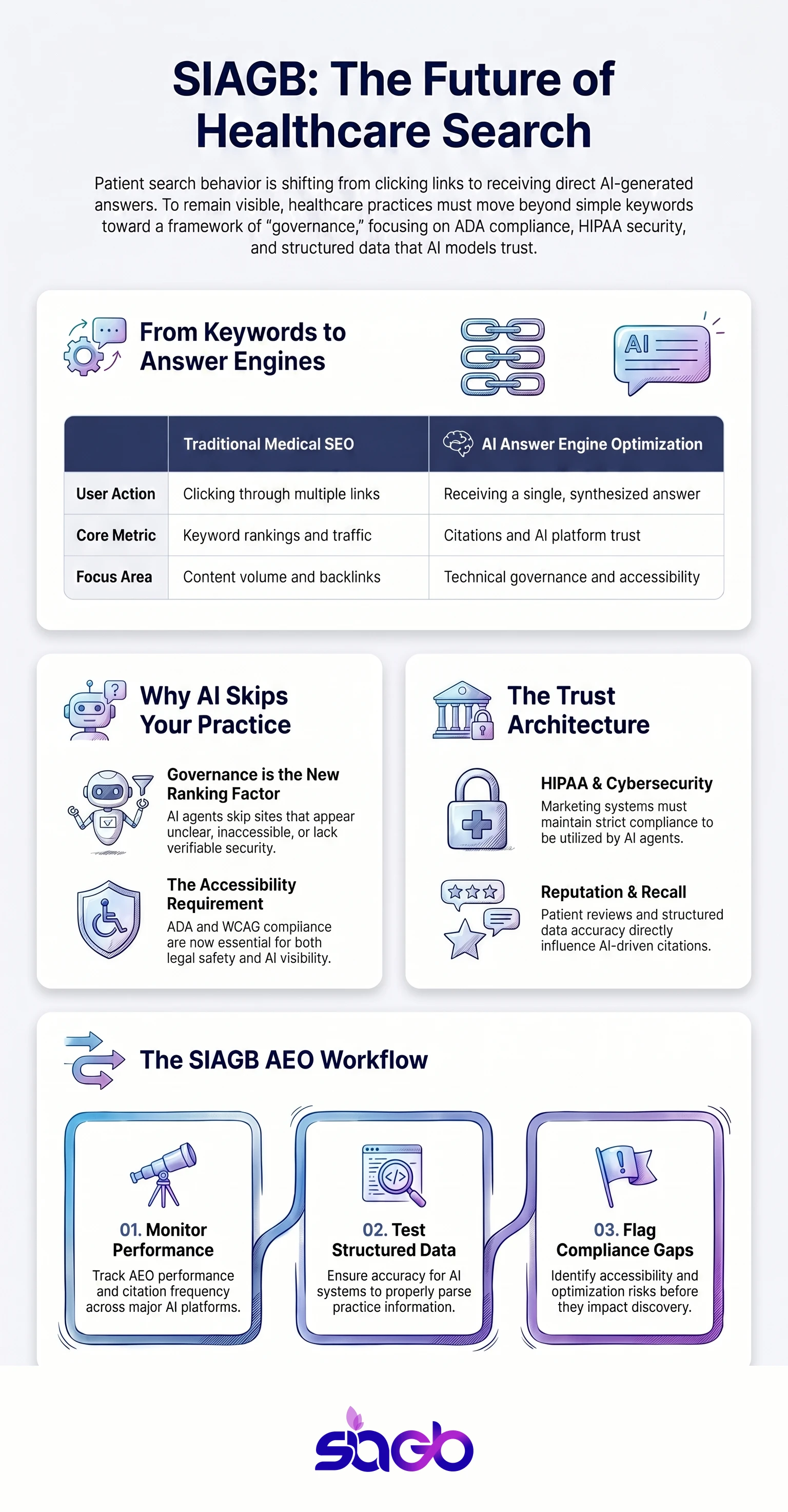
This infographic shows the flow from patient search to AI answer to your website. It highlights where answer engine optimization, accessibility, and security intersect.
Common failure points include poor schema, inaccessible forms, and weak data protection. An AI optimized website healthcare setup treats these as one system, not separate projects.
Frequently Asked Questions
What is answer engine optimization consulting in healthcare?
Answer engine optimization consulting helps medical practices become trusted sources inside AI answers. It focuses on structure, compliance, and authority so AI answer engines can safely cite your site.
How is answer engine optimization different from medical practice SEO?
Medical practice SEO targets rankings and traffic. Answer engine optimization targets citations inside AI generated answers, AI overviews, and voice search results, where many patient decisions now start.
Do healthcare websites need ADA and WCAG compliance for AEO?
Yes. Healthcare website accessibility supports patients and reduces legal risk. It also helps AI systems and AI driven platforms read and trust your content more easily.
Is agentic SEO safe for medical websites?
Agentic SEO is safe when humans stay in control. AI agents can automate testing and optimization tasks, but medical accuracy and compliance must be reviewed by experts.
Can AI marketing systems be HIPAA compliant?
Yes, if designed correctly. HIPAA compliant websites and AI systems use secure data handling, limited access, and clear boundaries around patient information.
Key Takeaways and Final Thoughts
Answer engine optimization is now critical for healthcare visibility. Patients trust AI answers, AI assistants, and AI powered search, and AI answer engines trust sites that are clear, accessible, and secure.
Accessibility and security are business risks, not add ons. ADA, WCAG, and HIPAA gaps can block growth and invite legal trouble. Optimization must be ongoing.
End to end support makes the difference. SIAGB operates as an AEO agency delivering answer engine optimization services and generative engine optimization with a problem first approach, real delivery, and measurable outcomes. Our platforms already serve real scale, for example Marvel PTE, which supports more than 85,000 users across over 900 institutes. Based in Sydney (ABN 16 659 507 178), we work with US healthcare providers to earn citations inside ChatGPT, Perplexity, and Google AI Overviews. That is what modern healthcare growth looks like.
Sources
- Industry-standard reference materials
- Peer-reviewed research and clinical guidelines

Thinking about how this applies to your business?
Start a Conversation