Chatbot GPT in the USA isn’t about hype or flashy demos. It’s about using artificial intelligence to solve real business problems, share accurate information, and improve everyday conversation with customers. US businesses are choosing Chatbot GPT solutions that save time, protect data, and deliver clear responses people actually trust.
Look, you might be wondering if this is just another trend. Fair question. What follows breaks it down in plain language, with real use cases, real limits, and how this connects to broader AI consulting, SEO, accessibility, and security decisions US businesses already face. And yes, this applies whether you’re running a clinic, a retailer, or an education platform.
Introduction to Chatbot GPT in the USA
Chatbot GPT in the USA usually starts with a simple need. Faster replies. Better conversation with users. Less manual work for staff. A chatbot GPT setup uses artificial intelligence to read questions, understand meaning, and respond in natural language. Sounds simple. Doing it well is another story.
Many businesses across the country feel stuck between AI hype and real results. Public tools can sound smart, but they often miss context, compliance, and accuracy. I’ve seen this happen more than once, and it’s frustrating, especially for regulated sectors like healthcare and retail.
SIAGB is an AI-native consulting firm founded in 2022. With over 20 years of IT and AI leadership, the team focuses on problem-first design, not shiny demos. SIAGB supports clients across the United States and beyond, turning AI capability into measurable value across healthcare, retail, education, and government.
What Is Chatbot GPT and How Does It Work?
A chatbot GPT is an ai chatbot built on generative AI, though most businesses only need a focused version, not an open system. It creates text by predicting language patterns, which is why the conversation feels natural. Under the hood, natural language processing helps the system understand intent, tone, and context during each interaction.
Here’s the thing. These systems rely on large ai models trained on massive volumes of training data. They learn how language works, not what is true. That’s why guardrails, testing, and human review matter so much. Without them, the ai system can sound confident and still be wrong.
Public tools handle broad questions. A custom ai powered chatbot is different. It connects to your approved data, follows clear rules, and supports specific tasks like bookings or FAQs. Each task is defined, logged, and reviewed to protect accuracy and user experience. Control is the real difference here.
The table below sums up how a public tool compares to a custom AI-powered chatbot for US business use.
| Consideration | Public GPT tool | Custom AI-powered chatbot |
|---|---|---|
| Scope | Broad, open-ended questions | Focused, defined tasks like bookings and FAQs |
| Data source | General training data | Your approved data |
| Rules and guardrails | Limited | Clear rules, testing, and human review |
| Accuracy control | Can sound confident yet be wrong | Each task logged and reviewed |
| Compliance fit | Generic, often built overseas | Built for US data and privacy rules |
The Evolution of GPT From OpenAI to Bing AI
GPT began at OpenAI, led by Sam Altman, with roots in San Francisco. The aim was to build a generative ai model that could understand language at scale. It worked, probably better than expected, and it reshaped how people think about search.
Microsoft Bing later brought GPT into search through Bing AI and Bing Chat. Search became more conversational, almost like chat mode with an ai assistant. Journalists like Kevin Roose described how different this felt compared to a standard search box. Product voices such as Kevin Liu also warned that speed without safety could hurt trust.
This shift matters for businesses. Enterprise use needs more than Bing Chat. Data access, tone, and compliance all matter. AI researchers continue to stress that design choices shape outcomes. That’s why custom solutions matter, especially in healthcare and education settings.
Why US Businesses Are Adopting Chatbot GPT
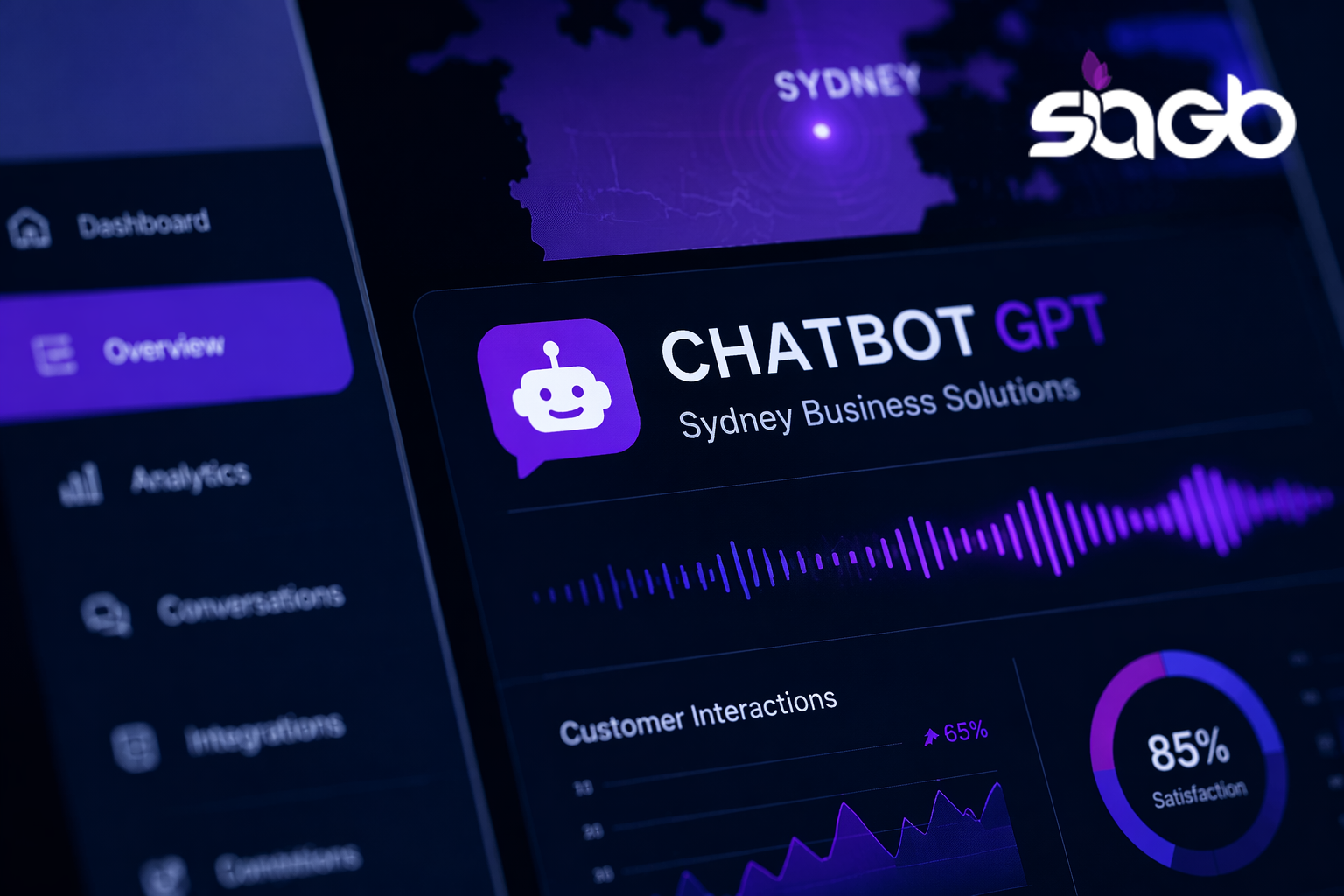
US businesses face rising costs and higher expectations. Customers want quick replies, clear details, and smooth conversation across channels. They won’t wait on hold anymore. Sound familiar?
Artificial intelligence helps automate repeat questions and routine tasks. Chatbots manage bookings, FAQs, and updates using a single source of truth. This improves customer experience and reduces pressure on staff. Over time, it also improves user engagement because people get consistent replies.
The United States has strict data and privacy rules. Businesses must know where data lives and how each website visitor is supported safely. Many firms prefer a partner who understands US compliance, rather than a generic platform built overseas.
Chatbot GPT for Healthcare in the USA
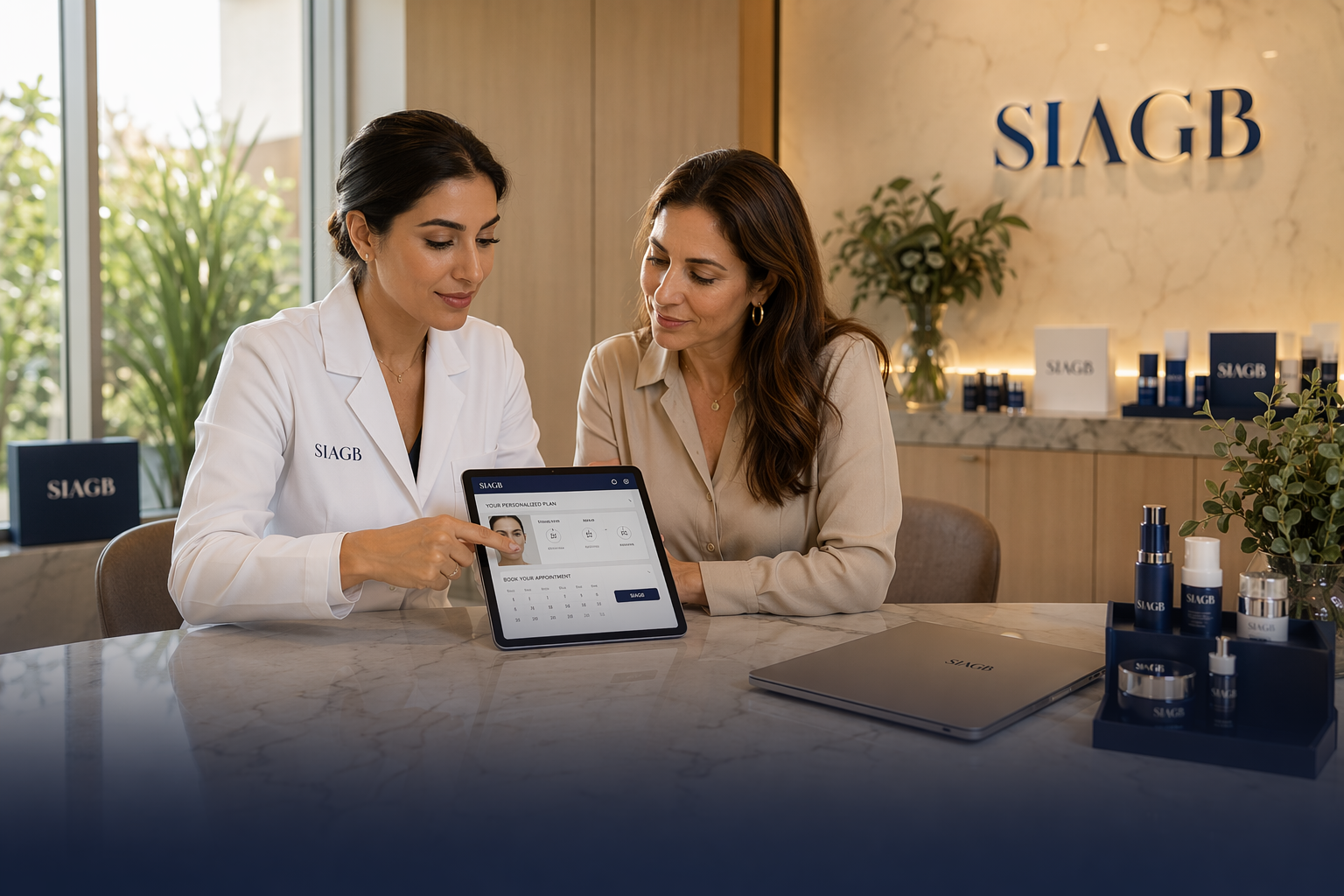
Healthcare is where chatbot GPT needs extra care. Clinics use chatbots to share service details, manage appointments, and guide patients after hours. A well-designed ai agent can support staff without replacing them.
Accuracy and privacy matter. A single mistake can damage trust. Accessibility matters too, because every patient deserves a fair user experience. Healthcare AI must reflect humanity, not just speed or scale.
AI SEO healthcare strategies now include chatbots that deliver structured replies aligned with search and voice systems. When done right, they provide valuable insight into patient needs without exposing sensitive data.
Accessible and Compliant Medical Websites
An ADA compliance medical website follows accessibility rules so people with disabilities can use it. WCAG healthcare website standards cover color contrast, screen readers, keyboard navigation, and layout clarity.
Doctors are increasingly aware of the ADA website lawsuits doctors face, and practices nationwide are watching closely. Accessible chatbots support this effort by working with assistive tools and using simple language. This improves customer experience and patient trust.
Security and Privacy in Healthcare AI
A HIPAA compliant website protects patient data in transit and storage. These standards guide best practice across US healthcare. Medical practice data security now includes chatbots, portals, and AI systems.
Secure design from day one costs less than fixing a breach later. Cybersecurity for doctors and healthcare teams now sits alongside website design and AI planning. No shortcuts here.
Chatbot GPT for Retail and Other Industries
Retail often starts with support. Chatbots answer product questions, manage orders, and free staff for complex conversation. This improves customer experience and keeps teams focused.
SIAGB also works with education providers, including university projects. Their product Marvel PTE supports over 85,000 users across 900 institutes. That scale offers valuable insight most consultants don’t have.
Lessons carry across industries. Clear replies, defined tasks, and respectful conversation apply everywhere. Developers play a key role here, translating business needs into safe systems.
AI SEO and Answer Engine Optimization
Search is changing fast. Instead of ranking pages, AI systems now summarize content directly. That affects jobs, workflows, and how teams measure success.
Agentic SEO uses an ai agent to monitor content and suggest updates. Developers and marketers work together here. Strategy still comes first. Tools support humans, not the other way around.
Where AI SEO Automation Delivers Value
- Improves visibility in answer engines and voice systems
- Keeps content accurate as guidance changes
- Reduces manual updates through automation
Reputation, Reviews, and Patient Engagement
Google reviews medical practice profiles shape trust. Patients read them closely. AI helps with patient review management by prompting feedback and flagging issues early.
Chatbots also support patient recall systems and follow-ups. Clear messages improve attendance and care quality. Over time, this strengthens humanity in healthcare, not weakens it.
Infographic: Where Chatbot GPT Delivers Real ROI
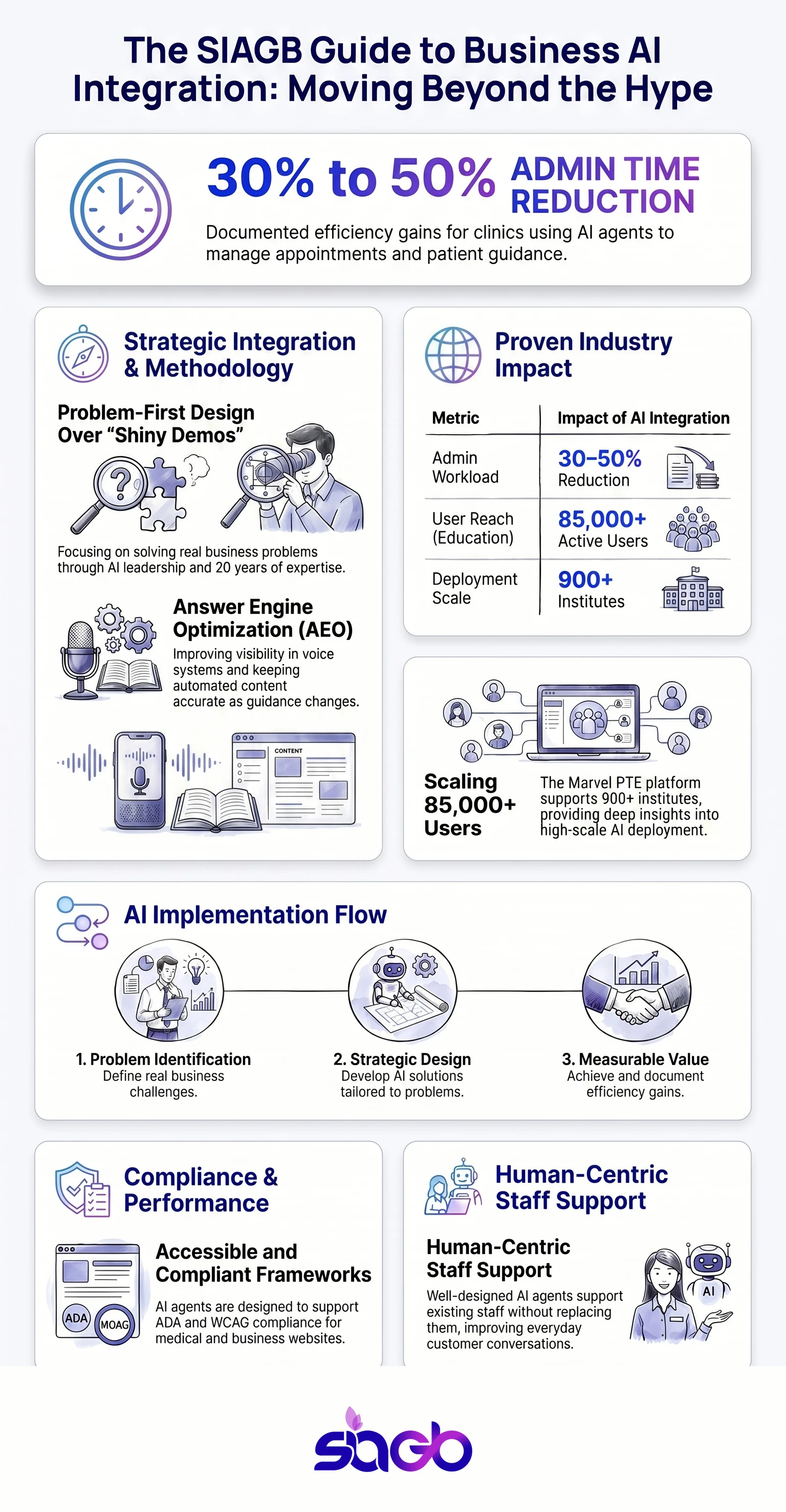
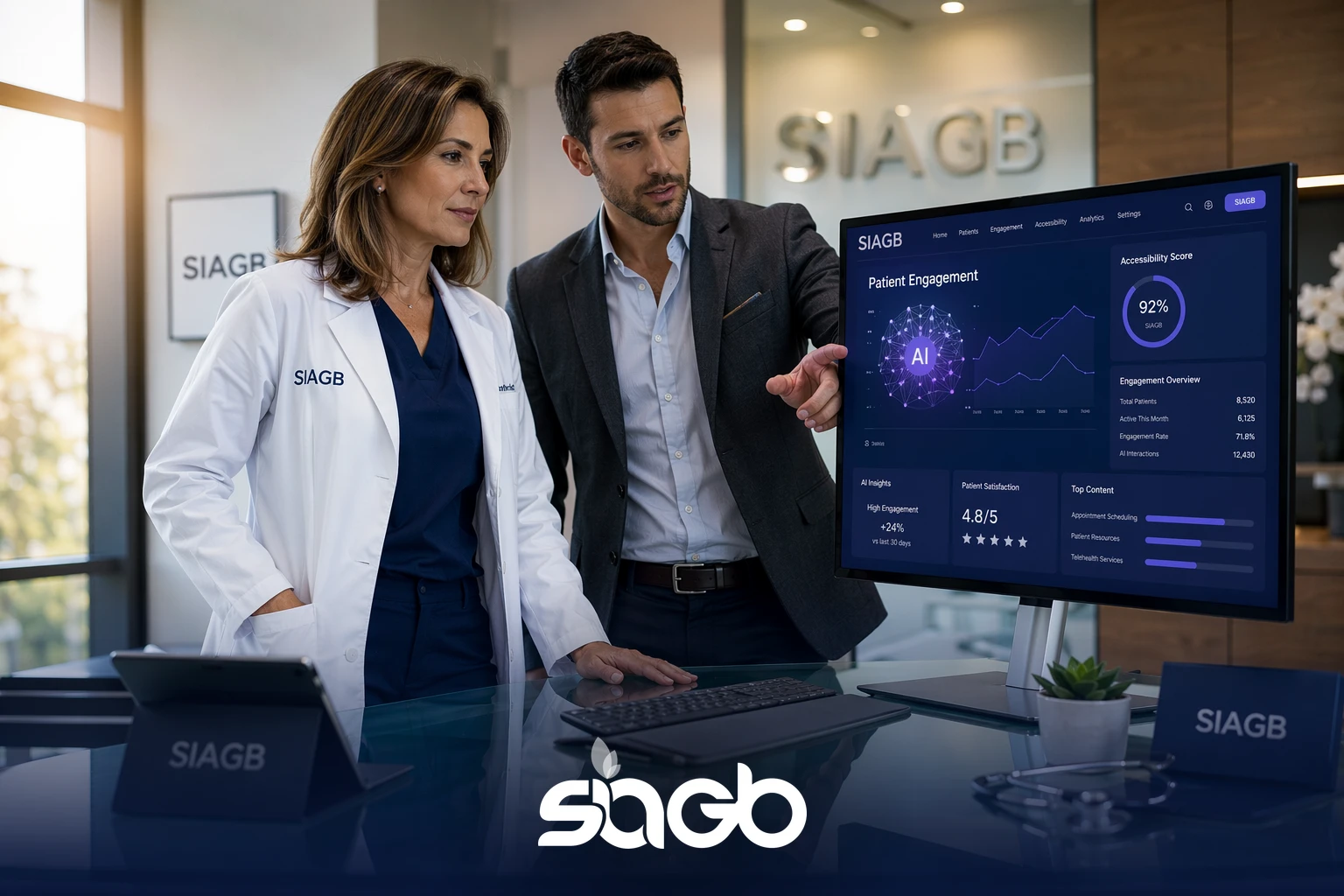
This infographic shows how chatbots reduce manual work across healthcare and retail. It compares time saved, cost reduction, and response speed. AI systems in real clinics often cut admin time by 30 to 50 percent, based on SIAGB client data.
Frequently Asked Questions
Is Chatbot GPT safe for healthcare websites?
Chatbot GPT can be safe when built with strong privacy controls, clear limits, and regular reviews. Design and oversight matter.
Do chatbots help with healthcare SEO strategy?
Yes. They support structured content delivery and improve visibility in AI-driven search systems.
Can chatbots support ADA and WCAG compliance?
They can when designed with accessibility in mind, including screen reader support and simple language.
Are AI agents replacing SEO teams?
No. AI agents support teams. Humans still guide strategy, accuracy, and ethics.
Key Takeaways and Final Thoughts
Chatbot GPT in the USA works when it focuses on real problems, not hype. Strong systems improve conversation, protect data, and support people.
Healthcare and compliance raise expectations. Accessibility, privacy, and trust must be built in from day one. US businesses benefit most from end-to-end AI consulting, where strategy and delivery stay aligned from the first conversation onward.
Sources
- MIT Technology Review (technologyreview.com)
- Stanford HAI - Human-Centered AI (hai.stanford.edu)

Thinking about how this applies to your business?
Start a Conversation