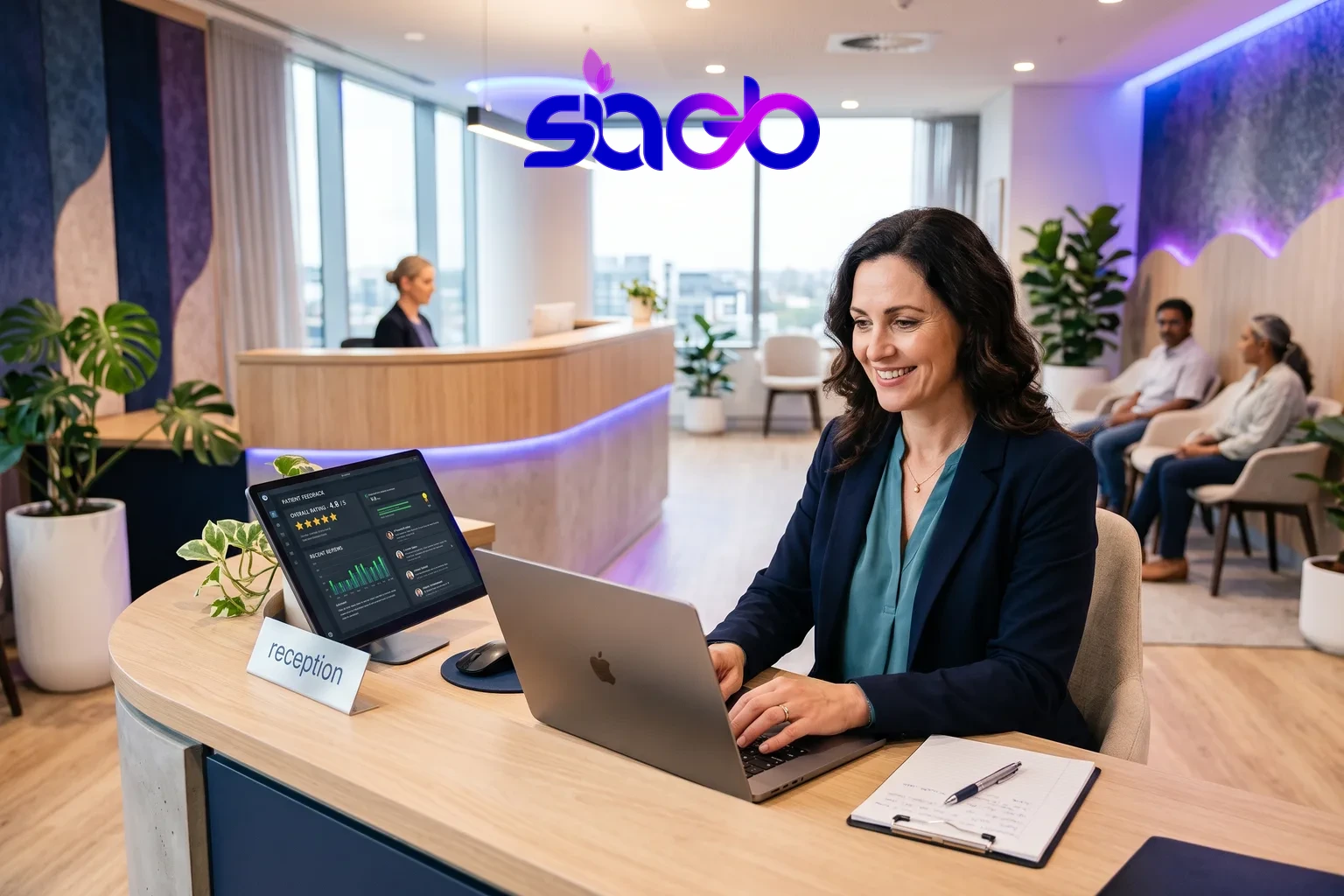
ChatGPT consulting in the USA is about using AI to fix real business problems, not just rolling out a chat tool. It focuses on workflows, data, compliance, and ROI across healthcare, retail, and other regulated industries. The aim is clear, measurable outcomes, delivered safely and at scale, for 2026 conditions.
US businesses are curious. Many are cautious too. Fair enough. AI hype is loud, and the risks are real. I’ve seen leaders freeze because they don’t want to break compliance, lose trust, or blow budgets. That’s where practical AI consulting earns its place. SIAGB approaches ChatGPT consulting in the USA with a problem first mindset. Our founder, Sheetal Dhadial, has led IT and AI delivery for more than 20 years and holds Certified Scrum Master and AgilePM credentials, so the work stays disciplined, not experimental.
We do not just talk about production systems. We ship them. Our team built Marvel PTE, a platform now serving 85,000 plus users across 900 plus institutes, and an AI-powered patient scheduling system designed for US medical groups. In our work, that track record shapes how we scope every engagement: start with the workflow, then the data, then the model, then the guardrails.
Introduction: What ChatGPT Consulting Means in the USA
ChatGPT consulting in the USA means solving business problems with AI, not chasing shiny tools. It’s about mapping workflows, cutting manual work, and protecting sensitive data. And yes, it has to fit US laws and expectations.
Healthcare and retail feel this pressure the most. Clinics want fewer admin hours. Retail teams want better customer service without burning out staff. Both want results they can measure. In 2026, regulated industries can’t afford experiments that live in a slide deck and go nowhere.
US businesses also face higher scrutiny. Privacy, accessibility, and cybersecurity risks keep rising. According to the Cybersecurity and Infrastructure Security Agency, healthcare stayed a top target for cyber attacks in 2024. So AI consulting has to blend innovation with safety. That is where SIAGB operates, a consulting group that builds, runs, and owns outcomes rather than handing over a slide deck and walking away.
What Is ChatGPT Consulting for US Businesses?

ChatGPT consulting is the design and deployment of AI systems that improve workflows, data use, and decision making. It’s not just chat gpt prompts or a chatbot widget on a website. It’s production grade AI.
Here’s the thing. Experimentation feels easy. Production is hard. Real consulting covers data access, model behavior, security controls, and ongoing optimization. An AI consultant needs to understand risk, not just features.
Local context matters. The US has strict privacy rules and sector standards. Healthcare adds another layer again. Under HIPAA, the Security Rule requires access logs, encryption, and a signed Business Associate Agreement before any vendor, including an OpenAI or Anthropic API, touches protected health information. California adds the CCPA and CPRA on top. That shapes every AI solution. Good consultants plan for this upfront, instead of patching problems later. In our work, the first deliverable is usually a data flow map that marks exactly where PHI can and cannot travel.
AI-Native Consulting Versus Bolt-On AI Tools
AI-native consulting means AI is built into core workflows from day one. Bolt-on AI means adding a tool later and hoping it sticks.
Many consultants still deliver strategy decks. Then they disappear. I don’t like that approach. Never have.
AI-native teams design, build, deploy, and maintain systems. They own the outcomes. That’s how compliance, security, and ROI stay aligned over time.
| Area | AI-Native Consulting | Bolt-On AI Tools |
|---|---|---|
| Ownership | End to end delivery | Handoffs and gaps |
| Compliance | Designed in early | Patched later |
| Security | Built into workflows | Often overlooked |
| ROI tracking | Measured in real tasks | Vanity metrics |
Agentic AI for marketing only works when agents are governed, monitored, and improved over time. Otherwise, automation can create more risk than value. And that happens more than people admit.
ChatGPT Use Cases Across US Industries
ChatGPT consulting supports healthcare, retail, education, and professional services. The focus stays on time saved, costs reduced, and revenue protected.
For a small business, AI might handle routine customer support and internal tasks. For larger teams, it reshapes workflows across departments. Generative ai becomes useful when it’s tied to outcomes.
Common examples include triaging inquiries, drafting compliant content, and summarizing reports. Strong consultants link each use case to a clear metric. Hours saved per week. Errors reduced. Response times improved. No fluff. We track four numbers on every build: minutes saved per task, error rate before and after, first response time, and containment rate (the share of queries resolved without a human). If a use case cannot move at least one of those, we do not ship it.
ChatGPT Consulting in Healthcare Environments
Healthcare AI must respect patient data and clinical workflows. There’s no shortcut here.
ChatGPT consulting in healthcare covers EHR integration, scheduling support, and patient communication. The goal is to reduce admin load without raising compliance risk. According to IBM’s Cost of a Data Breach Report 2024, healthcare breaches cost the most globally. That surprised me, honestly.
Medical practice data security and HIPAA cybersecurity principles guide system design. AI systems must log access, limit scope, and support audits. Otherwise, do not deploy it. Simple as that. On our patient scheduling build, that meant routing every model call through a middleware layer that strips names and dates of birth before the prompt leaves the network, then re-attaches them only inside the practice management system. The model never sees the full record.
AI Consulting for Retail and Customer-Facing Businesses
Retail AI focuses on speed and insight. AI chat and voice agents support sales and service. Demand forecasting improves inventory planning. US chatbot analytics consultants are seeing solid gains here.
But trust still matters. Automation has to respect brand tone and customer expectations. AI agents should escalate when needed. Customer service still needs humans. Always will.
AI SEO, AEO, and Agentic SEO Explained
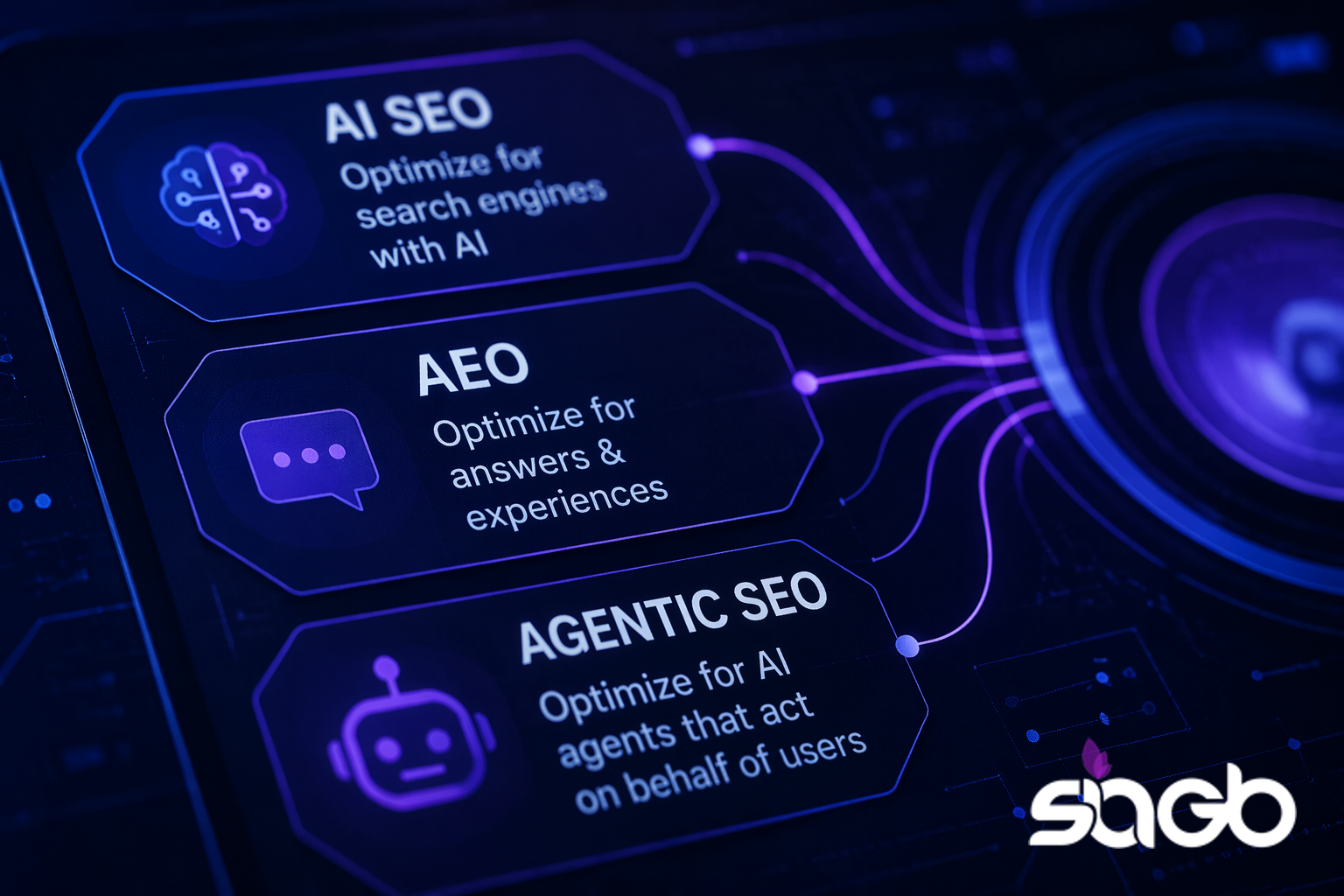
AI SEO is the use of AI to improve search visibility safely. Answer engine optimization medical focuses on being cited in AI answers, not just ranked in search results. Agentic SEO uses AI agents to manage tasks continuously.
Medical practices need visibility across Google Search and AI surfaces now: Google AI Overviews, ChatGPT with browsing, Perplexity, and Claude. Each one reads structured data differently, so we mark up pages with schema.org types like MedicalOrganization, Physician, and FAQPage to earn citations. Patients ask questions differently now. They expect clear answers, fast. According to Google, over 60 percent of searches end without a click, and AI Overviews now appear on a large share of health queries in the US, which pushes practices to be quotable, not just rankable.
The risk is automation spam. Uncontrolled AI SEO can flood sites with low quality content. That hurts trust and rankings. Controlled systems focus on accuracy, governance, and steady improvement. Strategy matters more than volume. Every time.
AI Agents for SEO and Content in Medical Practices
AI agents for SEO can monitor rankings, update pages, and flag issues. But healthcare needs strong guardrails.
AI content medical practice teams use must align with clinical accuracy and brand tone. Ongoing optimization beats one off campaigns. AI SEO automation works best when humans review outputs. From what I’ve seen, that balance wins.
Healthcare Website Accessibility and Legal Risk
Healthcare website accessibility is no longer optional. WCAG 2.1 and the newer WCAG 2.2 Level AA standards guide design for users with disabilities, and US courts increasingly treat 2.1 AA as the practical bar under ADA Title III. Federally funded providers also answer to Section 508. These standards drive expectations across the US too.
Accessibility failures create legal and reputational risk. ADA website lawsuit doctors cases often start with basic issues: color contrast below the 4.5 to 1 ratio WCAG requires for normal text, missing form labels, or keyboard traps. Federal ADA Title III website filings have run into the thousands each year, and healthcare sites are a frequent target. And yes, US clinics get caught in this web as well.
AI assisted audits can scan pages, flag gaps, and suggest fixes. That speeds up remediation. It doesn’t remove responsibility though. Compliance is ongoing. No shortcuts.
ADA Lawsuits, Patient Portals, and Compliance Reality
ADA website lawsuit doctors cases often involve patient portals. Forms break. Buttons fail. Screen readers struggle.
An ada compliant patient portal supports all users. Medical practice website design has to consider accessibility from the start. Proactive monitoring reduces exposure. Waiting for a complaint is risky. Sound familiar?
AI-Driven Healthcare Website Redesign
A modern medical website in 2026 needs to be fast, accessible, and secure. Healthcare website redesign connects design choices to real outcomes.
AI optimized website healthcare layouts support search, accessibility, and conversion together. Decisions link back to SEO, compliance, and trust. We hold every rebuild to Google Core Web Vitals: Largest Contentful Paint under 2.5 seconds, Interaction to Next Paint under 200 milliseconds, and Cumulative Layout Shift under 0.1. Medical practice seo improves when structure and content align.
Design without strategy is decoration. Strategy without build is theory. End to end consulting closes that gap. Properly.
Online Reputation and Patient Review Management Using AI
Google reviews medical practice profiles shape trust and bookings. One bad google review can hurt more than people expect. Patient review management needs care.
AI systems can monitor reviews, draft responses, and flag issues early. Reputation management doctors rely on must stay ethical and compliant. Online reputation healthcare teams protect is built over time. AI helps, but tone still matters. I figure patients can tell when it’s fake.
AI-Powered Patient Recall Systems and Chatbot Analytics
A patient recall system nudges patients back at the right time. AI helps personalize timing and message. No spam. Nobody wants that.
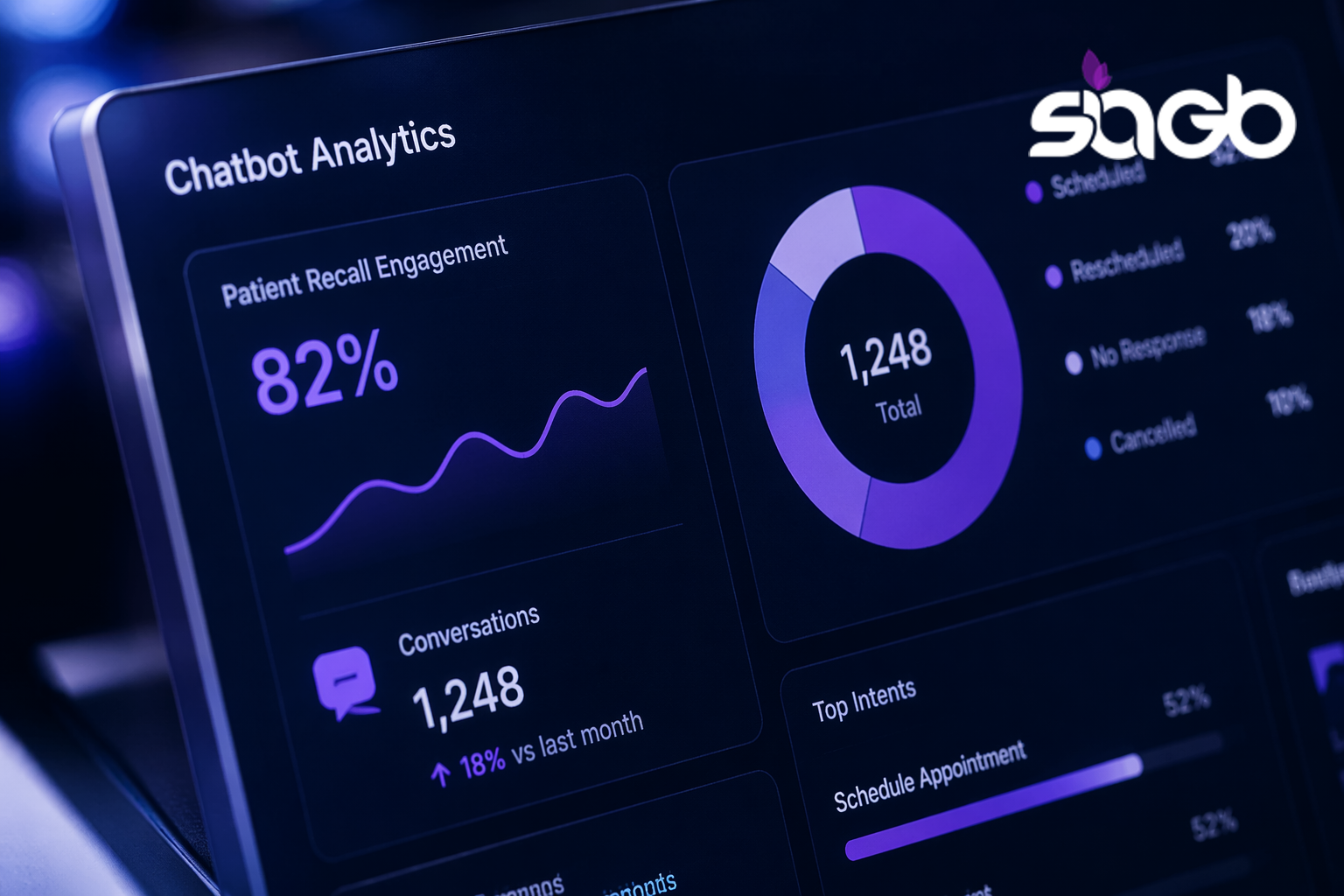
US chatbot analytics consultants use data to improve patient journeys. Drop offs, delays, and confusion become visible. Link that data to decisions and training. AI training keeps systems useful as behavior changes.
Cybersecurity and Data Protection for Medical Websites
Cybersecurity for doctors is now a board level issue. Healthcare cybersecurity threats include ransomware, data leaks, and account takeovers.
A HIPAA compliant website approach applies strong access controls, monitoring, and incident response. AI systems increase risk if governance is weak. According to CISA, phishing remains a top attack vector, and the HHS Office for Civil Rights breach portal (the so called Wall of Shame) lists breaches affecting 500 or more people, most tied to hacking. Basic controls, multi-factor authentication, role-based access, and TLS 1.2 or higher, still matter. Weird, right?
Measuring ROI From ChatGPT Consulting and AI Agents
ROI comes from operations, not hype. Track hours saved, errors reduced, and revenue protected.
One case study I remember showed a clinic saving 12 admin hours per week after workflow automation. At a loaded rate of around 25 dollars an hour, that is roughly 15,600 dollars a year back to the practice from a single workflow. That is real value. ROI tracking needs to be built into the AI solution from the start. In our work, we set a baseline in week one and re-measure at day 30, 60, and 90, so the number is defensible instead of a guess.
Infographic: How AI Strategy Connects Marketing, Compliance, and Security
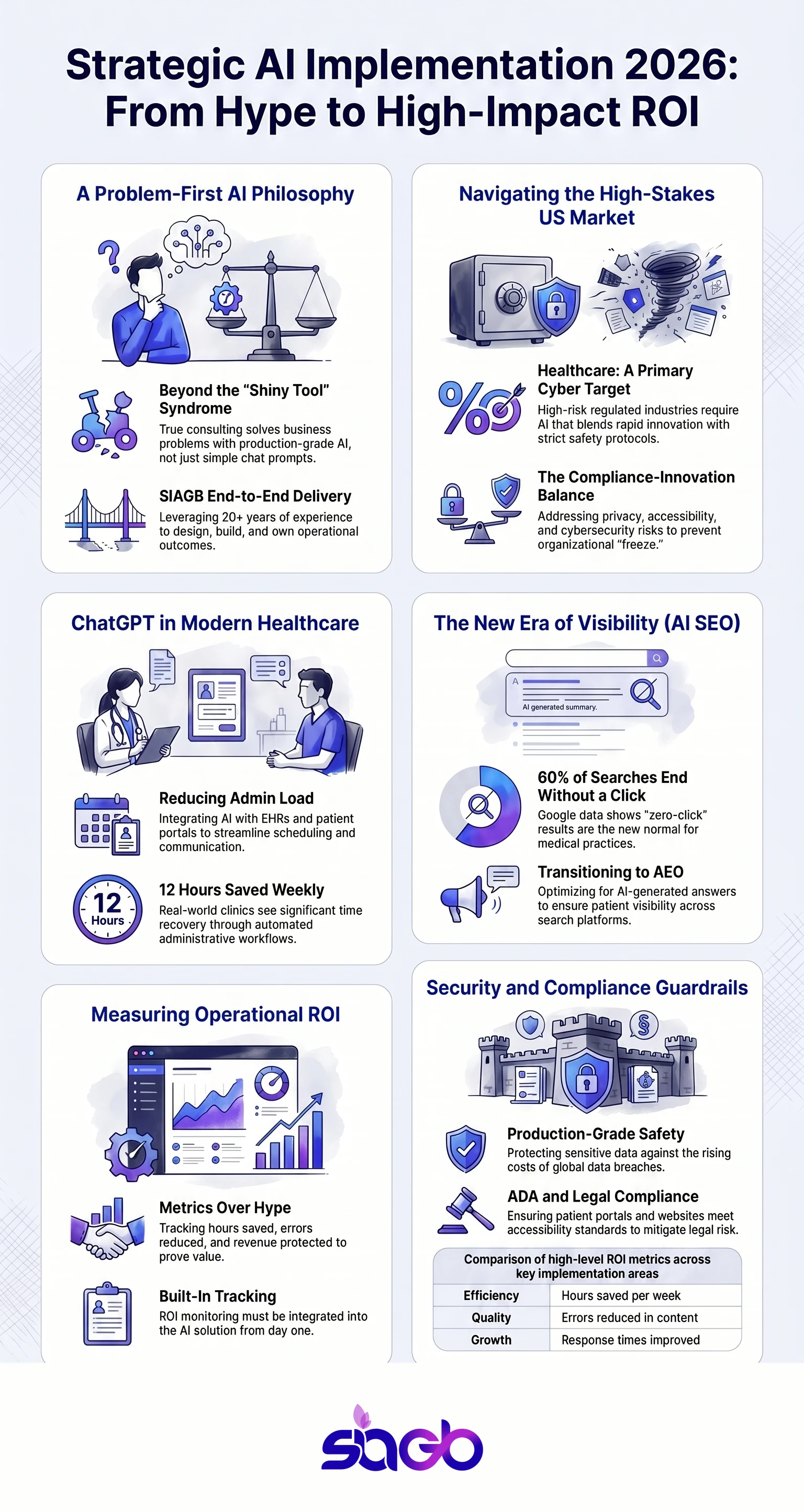
This infographic shows how agentic ai for marketing links healthcare seo strategy, accessibility, and cybersecurity. Medical practice seo, compliance, and security intersect through AI-native consulting, from strategy to execution.
Frequently Asked Questions
What does ChatGPT consulting include for US healthcare?
ChatGPT consulting includes workflow design, secure integration, compliance controls, and ongoing optimization. It goes beyond a chatbot to support real operations.
Is ChatGPT allowed to handle patient data in the US?
Yes, but only with strict controls. Data access, logging, and privacy safeguards must meet healthcare standards.
How is AI SEO different from traditional medical practice SEO?
AI SEO focuses on visibility in AI answers and search together. It uses controlled automation, not content spam.
Can AI help with website accessibility compliance?
Yes. AI can audit and suggest fixes for WCAG and ADA issues. Human review is still essential.
How long does it take to see ROI from AI consulting?
Most teams see operational gains within weeks. Full ROI depends on scope, data quality, and adoption.
Key Takeaways and Final Thoughts
ChatGPT consulting across the US has to solve real problems first. Tools come second.
Healthcare AI demands compliance, security, and deep expertise. Shortcuts fail. AI-native partners like SIAGB deliver long term value by owning outcomes, not just advice.
If you’re exploring AI consulting, ask one question. Will this improve workflows safely and measurably? If the answer isn’t clear, pause. Trust me on this.
Sources
- Industry-standard reference materials
- Peer-reviewed research and clinical guidelines

Want to explore this further?
Book a Free Consultation