Getting listed in ChatGPT means earning enough trust that AI answer engines choose your business content when people ask questions. There’s no directory, no paid placement, and no form to fill out. ChatGPT surfaces information based on authority, clarity, compliance, and real world signals. For Australian healthcare and retail businesses, this is about trust, not gaming an AI tool. For those searching for get listed in chatgpt, this guide covers everything you need to know.
This applies whether you want to appear in ChatGPT for medical services, retail products, or professional advice. The same trust logic also drives chatgpt shopping, ai search, and how a chatgpt response is formed across ChatGPT, Perplexity, Google AI Overviews, and Microsoft Copilot. At SIAGB, our Sydney team (ABN 16 659 507 178) has built AI systems at scale, including the Marvel PTE platform that serves more than 85,000 users across 900 plus institutes, so the guidance below reflects what we actually watch break and fix, not theory.
Introduction: What Getting Listed in ChatGPT Really Means
Here’s the thing. When people ask how to appear in ChatGPT, they often picture something like Google Business. A form. A fee. A quick approval. That version doesn’t exist.
ChatGPT and other ai assistants don’t run listings in the classic sense. There’s no manual submission and no paid shortcut. Instead, brands show up as a result when the content, data, and external signals suggest they’re safe to reference. That’s it.
For healthcare and retail, the stakes are higher. Wrong medical advice can harm patients. Bad product data costs buyers money. AI systems know this, so they raise the bar.
So when business owners ask how their business shows up in chatgpt search, the real answer is answer engine optimisation, which sits alongside search engine optimisation and local seo. Not tricks. Not hacks. It’s about compliant content, a strong reputation, and structure that AI search engines can safely reuse.
How Do ChatGPT and Answer Engines Source Information?
ChatGPT doesn’t crawl the web like a classic search engine. It uses a mix of training data, licensed sources, and retrieval systems that pull fresh information from trusted platforms. Under the hood, this is driven by a large language model designed to reduce risk, and OpenAI is open about its models prioritising reliable, well sourced information over volume.
In plain terms, when someone asks a question, the system looks for high confidence content it can safely summarise. That content often comes from reputable websites with clear structure, clean schema, and strong external validation. Reviews, citations, and brand mentions all matter.
There’s a common myth that you can tag a page or tweak prompts to force ChatGPT to notice you. That’s not how it works. AI driven search systems ignore shortcuts. They look for consistency across content, structured data, and third party signals that ai crawlers can verify.
This is why mentions matter, but only when they’re credible. If your brand shows up across trusted platforms, uses clean schema, and publishes clear content, it becomes easier to cite in ai search results. In practice that means marking up the right schema.org types for your category: MedicalBusiness, Physician, and MedicalClinic for healthcare, and Product, Offer, AggregateRating, and Review for retail, wrapped with FAQPage and BreadcrumbList where they fit. We track which of these are missing before anything else, because a page without valid AggregateRating markup gives the model nothing safe to lift. The same logic applies to chatgpt shopping. Product listings that are accurate, tied to a strong product page, and backed by real users appear more often in shopping results.
Here is how the main steps to earn a citation line up against why each one carries weight:
| Step to get cited | Why it matters |
|---|---|
| Publish clear, accurate content | AI needs high confidence text it can safely summarise |
| Add clean structured data | Schema helps the model read and reuse your facts |
| Earn third party mentions | External signals prove your brand is safe to reference |
| Maintain strong reviews | Sentiment and recency raise trust in risky categories |
| Keep product data current | Accurate listings feed chatgpt shopping results |
For medical and retail businesses, answer engine optimisation medical strategies focus on safety. The AI needs confidence. No confidence, no citation.
Answer Engine Optimisation Versus Traditional SEO
Traditional SEO is about ranking pages in search results. Answer engine optimisation is about being the answer itself. That shift changes everything for medical practice seo and modern healthcare seo strategy.
With traditional seo, keywords and backlinks carried the most weight. With AEO, intent clarity, structure, and trust signals matter more. AI systems want to lift a clean response, not send users through ten blue links on google search. The structured data guidance from Google Search Central underpins much of this, because the same clean markup that helps classic search also helps answer engines extract facts safely. Core Web Vitals thresholds feed the same trust picture: aim for a Largest Contentful Paint under 2.5 seconds, Interaction to Next Paint under 200 milliseconds, and Cumulative Layout Shift below 0.1. In our work, healthcare sites that miss these thresholds tend to be the same sites that skip valid schema, so a slow page is often an early warning that the deeper trust signals are weak too.
This table shows how a few core AEO tactics translate into a measurable effect:
| AEO tactic | Effect on AI visibility |
|---|---|
| Clear intent led headings | Easier extraction into a direct answer |
| Valid schema markup | Higher confidence in your facts |
| Compliance and accuracy checks | Fewer reasons for AI to skip your content |
| Ongoing review monitoring | Sustained trust as signals shift |
This is why aeo services in australia are changing fast. Businesses now optimise content for extraction, not just clicks. Schema matters more. Readability matters more. Accuracy really matters.
Agentic SEO takes this further. Instead of one off work, automated seo agents monitor content, reviews, schema errors, and compliance drift across platforms. This is where ai seo automation and ai agents for seo quietly outperform manual updates.
Healthcare seo strategy needs extra care. Medical content faces higher scrutiny. Claims must be clear. Sources must align. One weak page can drag down trust across the whole site. Frustrating? Yes. But that’s the reality.
Why Healthcare and Retail Face Higher Barriers
Healthcare and retail sit in high risk categories. Medical advice affects health. Retail advice affects money. AI systems know this and increase trust thresholds.
In healthcare, compliance failures can block visibility. In retail, messy product data limits chatgpt shopping results. AI consulting for retail businesses often starts by fixing data quality, not publishing more pages.
AI SEO healthcare work also overlaps with ai content medical practice standards. Content must be accurate, readable, and aligned with real world care. Without these foundations, visibility fades over time.
Healthcare Website Accessibility and Compliance
Healthcare website accessibility isn’t optional anymore. It’s a trust signal. AI engines look for accessibility because it shows care for real users.
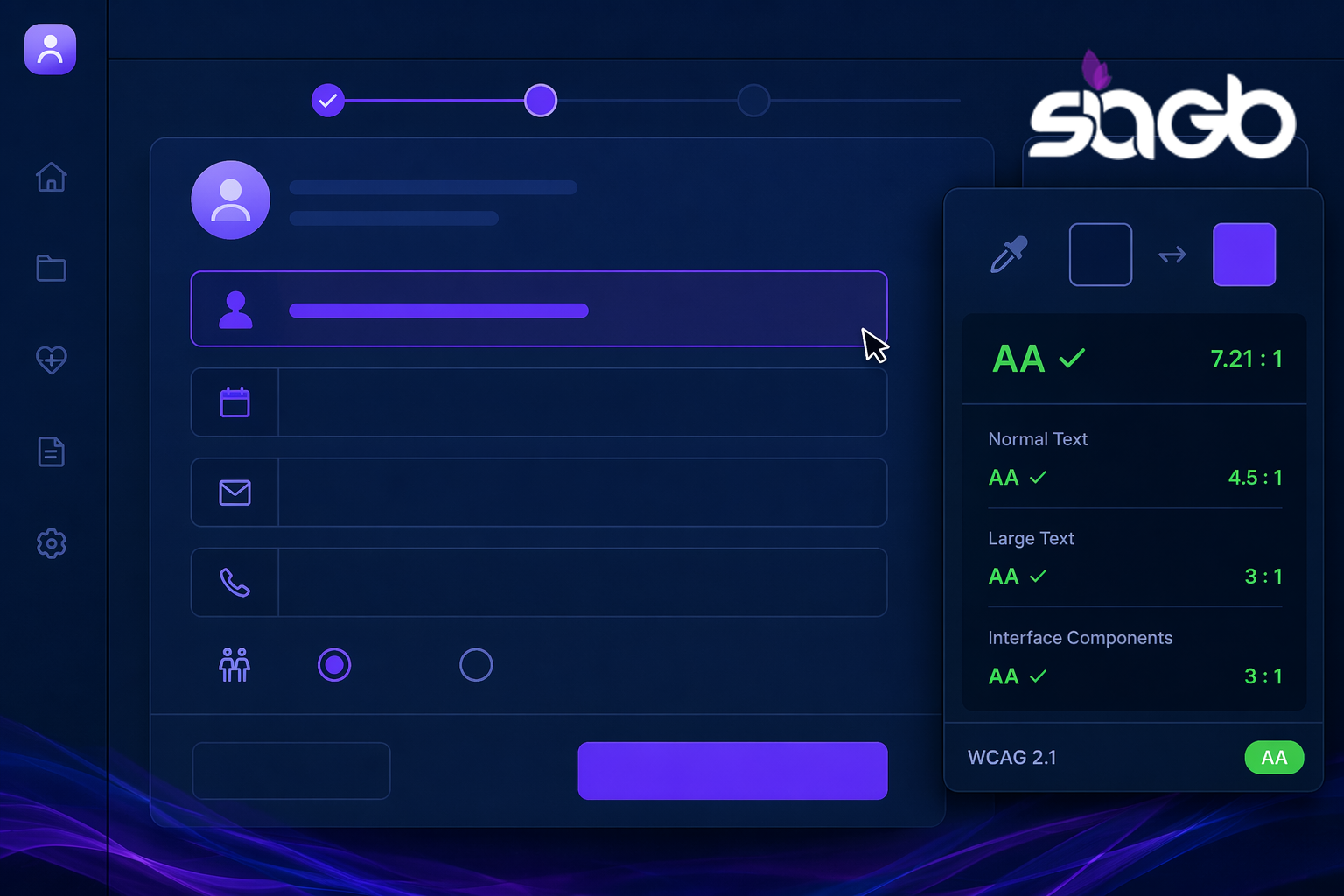
A wcag healthcare website follows clear rules for contrast, navigation, and readability. The current benchmark is WCAG 2.2 Level AA, which builds on WCAG 2.1 AA and adds success criteria like target size and consistent help. In concrete terms, that means a contrast ratio of at least 4.5:1 for normal body text and 3:1 for large text and interface components. In Australia, this is not just good practice. The Disability Discrimination Act 1992 makes inaccessible services a legal exposure, and government procurement already references WCAG. ADA compliance medical website standards from the US align closely with these same rules, so a site built to WCAG 2.2 AA satisfies both. Together, they reduce risk and improve usability.
Accessible content is easier for AI to understand. Headings make sense. Structure is predictable. Schema performs better. That improves the final result shown to users.
Accessibility also affects chatgpt shopping. Product and service content that’s accessible is easier to summarise, which improves ai search results and cuts down errors.
Key factors AI checks for accessibility and compliance include:
- Clear heading structure and readable content
- WCAG aligned contrast, navigation, and forms
- ADA compliant patient portals and booking flows
Real Risks: ADA Website Lawsuits and Doctors
ADA website lawsuit doctors aren’t rare anymore. Medical practices are being targeted for inaccessible websites and patient portals.
An ada compliant patient portal lowers this risk. Non compliant portals expose practices to legal and reputational damage. That includes long term reputation management doctors often underestimate.
Proactive compliance protects patients, practices, and visibility. It’s cheaper to fix early.
HIPAA Compliant Websites and Data Security
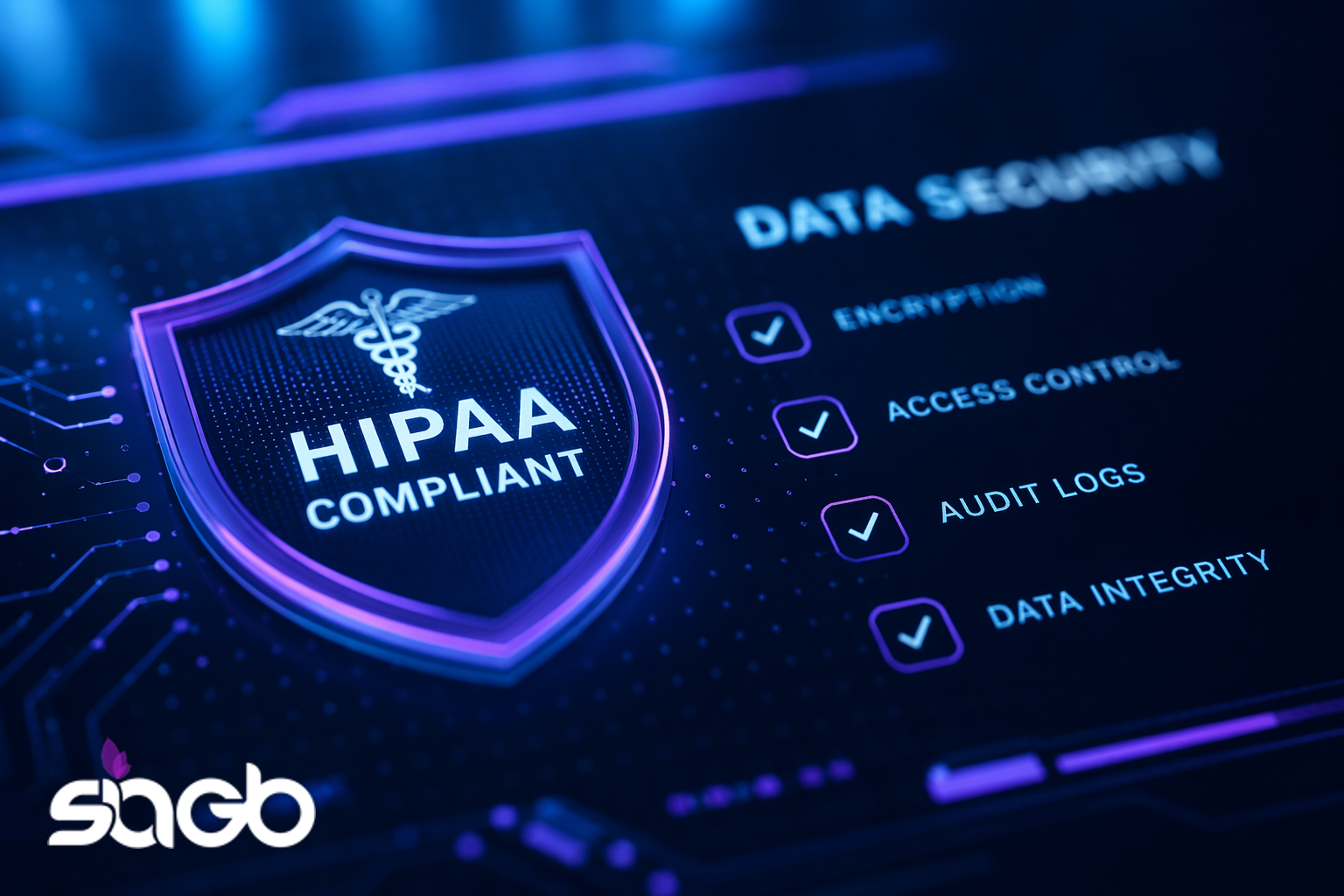
A hipaa compliant website protects patient data at every touchpoint. Forms. Chatbots. Recall systems. All of it. Australian practices should note that HIPAA is a US framework. Locally, the equivalent obligations sit under the Privacy Act 1988 and the 13 Australian Privacy Principles, with the My Health Records Act 2012 adding rules for shared health records. We design to the stricter of the two so a practice is covered on both fronts.
HIPAA cybersecurity goes beyond hosting. It includes access controls, encryption in transit and at rest (TLS 1.2 or higher, AES-256), and audit trails. Medical practice data security failures often start small. A missed update. A weak plugin.
AI chatbots and other apps can create risk if they’re not set up properly. The same goes for a patient recall system that stores data without safeguards.
AI systems avoid citing insecure sources. When a site shows signs of weak security, trust drops. That affects chatgpt results and broader ai driven search visibility.
Agentic SEO and AI Agents for Ongoing Visibility
Agentic SEO uses AI agents for seo to maintain visibility over time. Think of it as ongoing care for your digital presence.
Automated seo agents monitor content changes, review sentiment, schema errors, and compliance drift. They flag issues before real damage occurs.
Agentic ai for marketing works because AI search evolves quickly. Manual updates fall behind. One off optimisation often fails quietly.
These agents also watch chatgpt shopping feeds, google merchant centre data, and product schema health. Product listings, pricing, and availability get checked regularly, which keeps chatgpt shopping results accurate.
This model suits healthcare and retail because risk never stops. Compliance slips. Reviews change. Platforms update rules. Agents help manage the chaos.
Why Do Online Reputation and Google Reviews Matter to AI?
Google reviews medical practice data influences AI answers more than most people expect. Sentiment, volume, and recency all play a role.
Online reputation healthcare signals show how real users feel. AI systems prefer brands with steady, positive feedback tied to a complete google business profile.
Patient review management supports this. So does thoughtful response handling and consistent follow up across social media and google business profile updates. These are core parts of local seo.
A poor reputation limits visibility. AI avoids risky brands, especially in healthcare.
Designing an AI Optimised Healthcare Website
A modern medical website should be clear, fast, and structured. AI optimised website healthcare design focuses on simplicity.
Medical practice website design needs to prioritise content clarity, accessibility, and schema. Strong web design also supports better indexing by ai crawlers.
Healthcare website redesign projects often clear years of technical debt. Speed improves. Security improves. Trust improves.
Good design supports medical practice seo, search engine optimisation fundamentals, and helps AI engines extract answers cleanly.
Infographic: How AI Decides Who Gets Mentioned
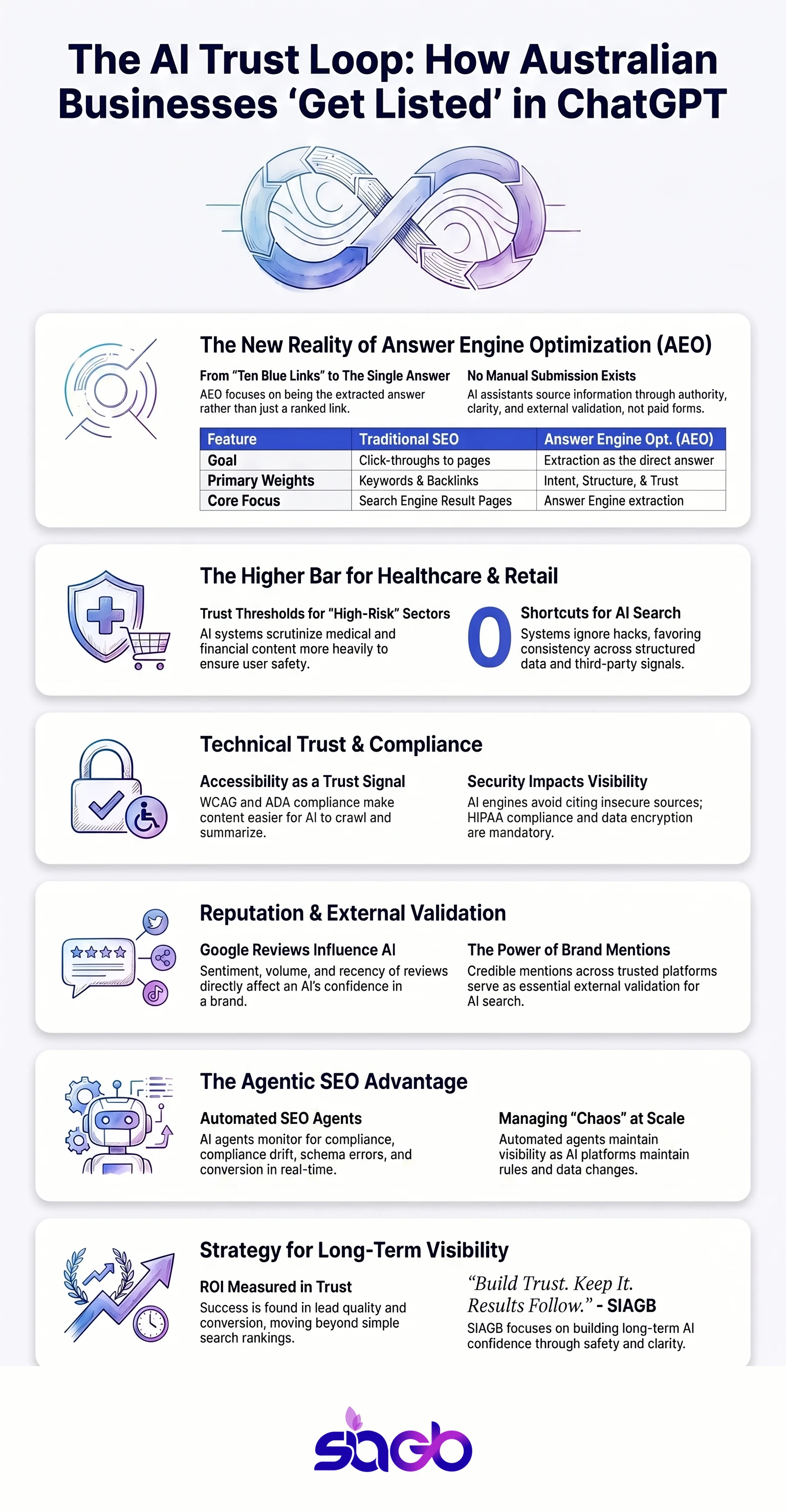
Picture a simple flow. Website quality feeds trust. Trust feeds visibility. Compliance, security, and reputation support the loop.
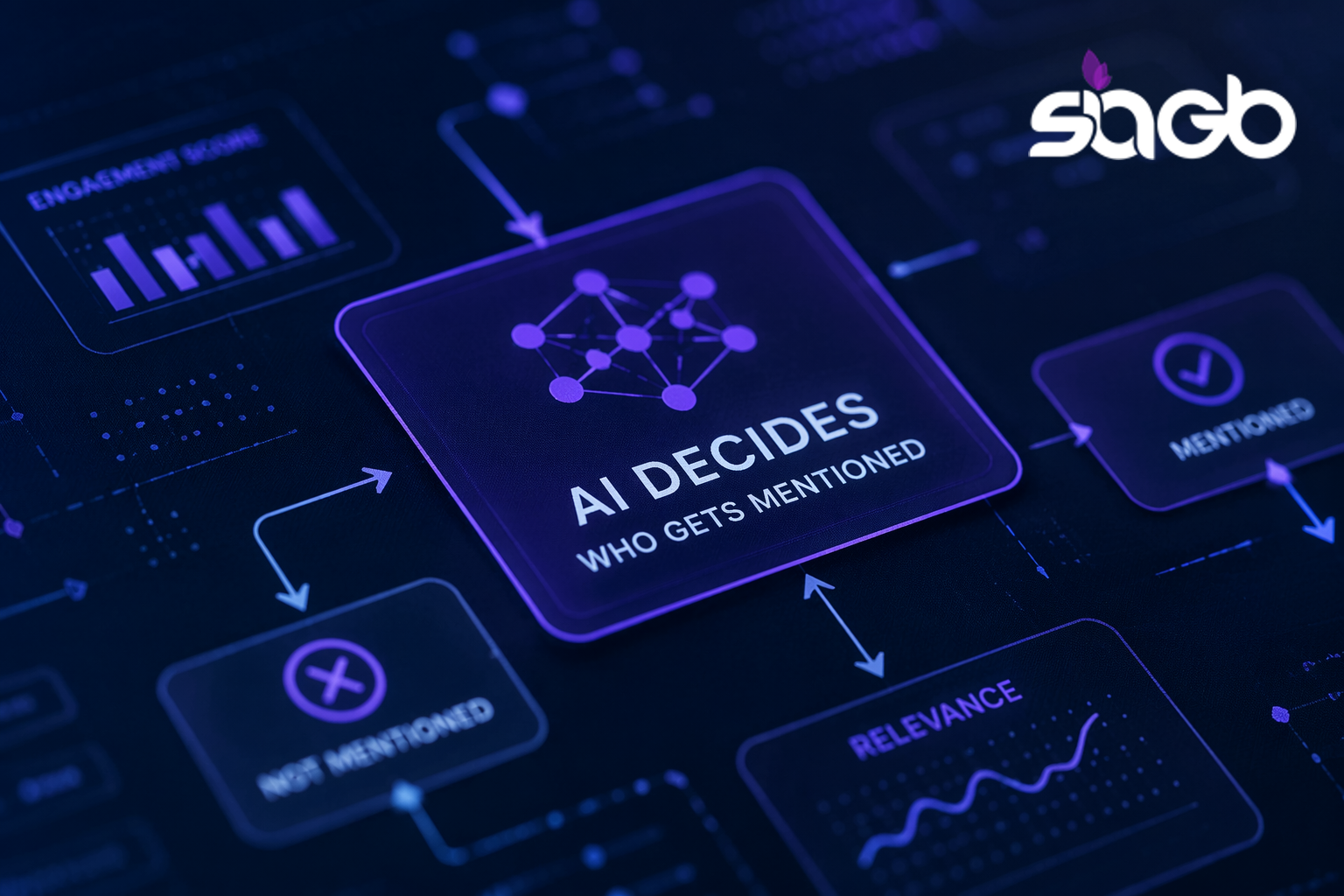
Agentic SEO runs across the whole flow, watching for changes. This is how brands appear in chatgpt search over time, not overnight.
How Do You Measure ROI From AEO and AI Consulting?
ROI from AEO isn’t just about rankings. It’s about lead quality, trust, and conversion.
SIAGB applies real world metrics from ai consulting and chatbot analytics consultants australia projects. Data from google search console, google analytics 4, and bing webmaster tools all inform decisions. Our founder, Sheetal Dhadial, brings 20 plus years of IT and AI leadership as a Certified Scrum Master and AgilePM practitioner, and that delivery discipline shapes how we measure: we baseline citation share across ChatGPT, Perplexity, and Google AI Overviews before we start, then re-check on a fixed cadence rather than guessing.
For retail, integrations with google merchant centre and clean product page data speed up results. Healthcare usually moves slower due to risk controls, and AHPRA advertising guidelines mean testimonials about clinical care cannot be used the way a retailer uses reviews.
Expect months, not weeks. Any seo agency promising instant AI visibility should raise questions.
Frequently Asked Questions
Can I submit my business directly to ChatGPT?
No. There’s no submission form or paid listing, so spend that budget on the content and structured data the model can actually verify. Focus on the signals it already trusts: clear pages, valid schema, credible mentions, and a steady reputation across the platforms it reads from.
How long does it take to appear in ChatGPT?
It depends on trust signals, industry risk, and data quality. Healthcare usually takes longer than retail.
Does chatgpt shopping work like Google Shopping?
Not exactly. Chatgpt shopping relies on structured data, product schema, and trusted product listings rather than bids.
Do Google reviews really affect AI answers?
Yes. Beyond sentiment, volume, and recency, the consistency of your replies and a complete google business profile tell the model your reputation is genuine rather than staged. A handful of recent, specific reviews often carries more weight than a large pile of old or generic ones.
Is traditional SEO still useful?
Yes. But it needs to work alongside AEO, local seo, and ai driven search strategies.
Can small practices compete with big brands?
Yes, if their content is clear, compliant, and trusted.
Key Takeaways and Final Thoughts
Appearing in ChatGPT comes down to trust, not tricks. There’s no shortcut.
Healthcare and retail businesses need clear content, strong compliance, and ongoing optimisation. Answer engine optimisation medical approaches focus on safety and clarity.
Agentic SEO keeps everything aligned as rules change. Reputation, accessibility, security, and ai seo automation all build AI confidence.
If you’re serious about long term AI visibility, think beyond rankings. Build trust. Keep it. The results follow.
Sources
- Industry-standard reference materials
- Peer-reviewed research and clinical guidelines

Ready to put this into practice?
Let's Talk