
AI can create content fast. In healthcare, though, speed without control creates risk. Human oversight keeps material accurate, safe, and compliant while still using artificial intelligence to save time. SIAGB helps Australian healthcare teams connect AI, SEO, accessibility, and security into one governed system that delivers real ROI, including AI SEO healthcare and answer engine optimisation medical use cases.
Introduction
Healthcare teams feel the pressure. They need more pages, better marketing, and stronger search results. AI tools promise quick wins, but unmanaged AI writing can lead to errors, legal risk, and trust issues. I’ve seen this happen. And yes, it’s stressful.
A human oversight role adds structure, review, and accountability to any AI solution. This role sits between the AI system and the real world. SIAGB takes this approach because healthcare material isn’t just words. It affects patients, clinicians, and compliance, including healthcare website accessibility and HIPAA style cybersecurity concerns.
This guide explains how content marketing, SEO, accessibility, and security connect. It also shows why human expertise matters when AI enters regulated spaces like healthcare and retail. Sound familiar?
What Is a Human Content Consultant for AI?
A human content consultant for AI is a specialist who supervises, reviews, and governs AI generated content in regulated industries. The role goes beyond prompting an AI tool. It focuses on outcomes, risk, and long term value, including AI content medical practice standards.
Prompting tells an AI model what to write. Governing checks if the output is accurate, compliant, on brand, and safe to publish. That difference matters. Especially in healthcare, education, and AI consulting for retail organisations.
Here’s the thing. Generative AI doesn’t understand context like people do. It doesn’t know Australian health rules or patient sensitivity. An AI consultant acts as the human in the loop. They set rules, review critical content, and protect brand voice.
At SIAGB, this work blends content strategy, healthcare SEO strategy, and AI technology expertise. It also involves working with a data scientist or machine learning engineer when custom systems are used. Different talent. One goal. Quality content that performs.
Common Responsibilities in Human Led AI Content Work
- Review AI generated medical and healthcare marketing material for accuracy and compliance.
- Govern intelligent systems used for medical practice SEO and agent driven workflows.
- Align outputs with accessibility standards like WCAG healthcare website guidance.
The split between machine speed and human judgement is easier to see side by side. Here is how the two roles compare in healthcare content work.
| Capability | AI handles | Human consultant handles |
|---|---|---|
| Drafting and research | Fast first drafts, summaries, keyword ideas | Final wording, clinical nuance, brand voice |
| Compliance | Flags possible issues at scale | Approves claims against AHPRA and privacy rules |
| Accuracy | Predicts likely text | Verifies medical facts and sources |
| Risk and escalation | Surfaces anomalies | Decides what is safe to publish |
Why Healthcare Needs Human Oversight for AI Content
Medical errors can cause real harm. Wrong advice, outdated claims, or unclear language can lead to patient confusion or worse. AI output predicts text. It doesn’t judge risk.

In Australia, healthcare organisations must align with patient safety, privacy, and advertising rules. The AHPRA advertising guidelines set clear limits on testimonials, claims, and how regulated health services may be promoted. AI lacks that judgement. Human expertise adds context and accountability. Teams know when material crosses a line, including ADA compliance medical website risks.
Human oversight also improves medical practice website design outcomes and medical practice SEO. Search engines reward accurate, helpful pages. Google’s Search Central documentation describes how experience, expertise, authoritativeness, and trust (E-E-A-T) shape rankings, and health information is held to higher standards. And the Australian Digital Health Agency stresses clarity and safety in patient facing material.
AI still helps. It speeds up content creation and research. But expert guidance ensures every page supports trust, compliance, and long term marketing results. That balance matters.
AI SEO and Answer Engine Optimisation for Medical Practices
Search is changing fast. In 2025, many searches end with direct answers instead of clicks. Answer engine optimisation medical strategy focuses on how AI systems choose and cite pages.
AI SEO healthcare work means structuring pages so intelligent systems can trust them. Clear definitions. Simple language. Strong sources. Human led review guides this process.
Here’s what happens without guidance. AI creates pages that rank briefly, then drop. Or worse, they get flagged for accuracy issues. Not great for a medical practice or the patient experience.
A human led healthcare SEO strategy aligns intent, accuracy, and structure. It supports content marketing goals while protecting clinical meaning. According to BrightEdge data from 2024, over 60 percent of searches now end without a click. That surprised me, honestly.
How Do Agent Based SEO and AI Agents Actually Work?
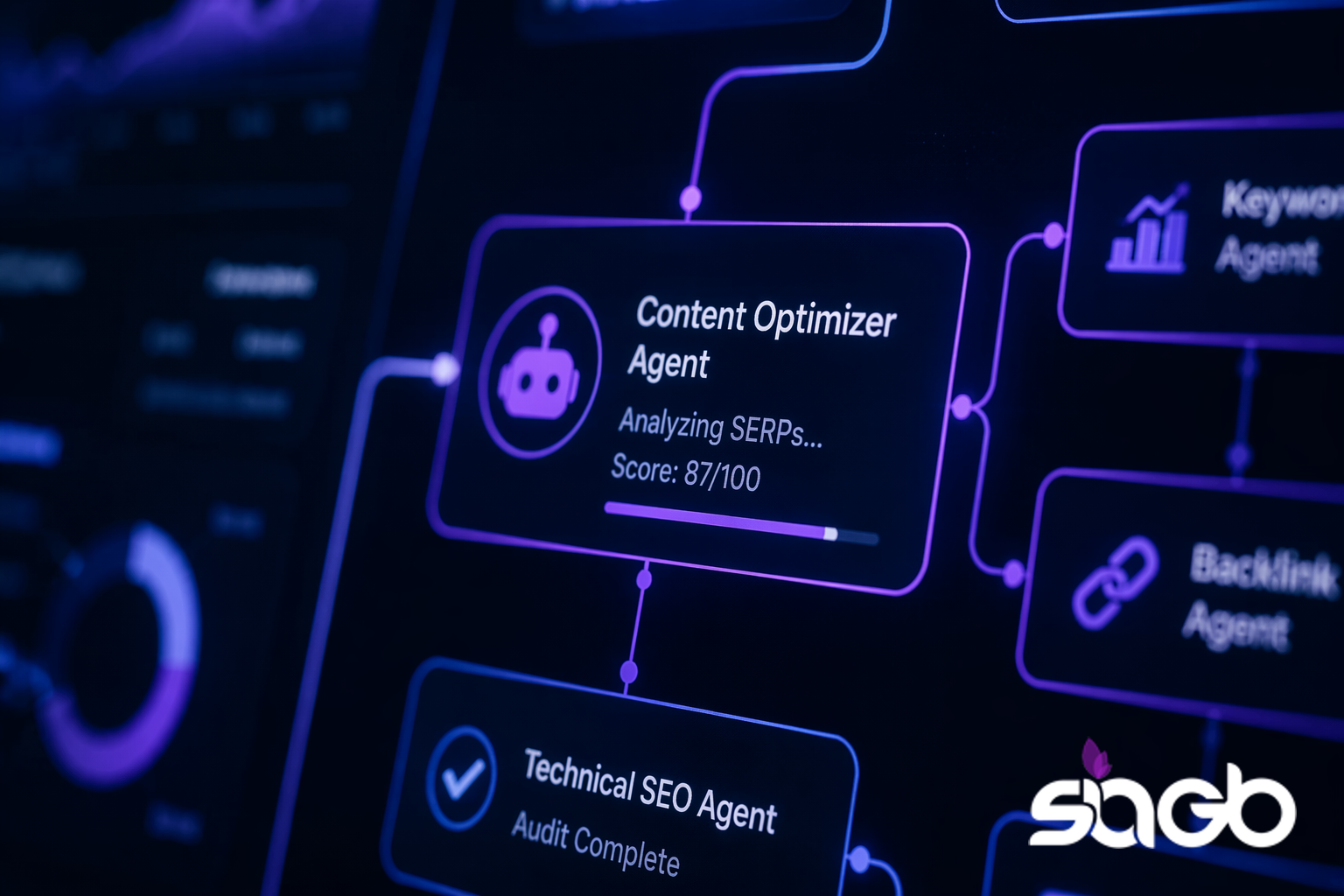
Agent based SEO uses automated agents to handle ongoing SEO tasks. These AI agents can monitor rankings, test titles, and suggest updates. Useful. But risky without limits.
In healthcare, automation needs boundaries. An AI agent or AI chatbot should never publish critical content without approval. That’s where expert guidance steps in.
Teams define rules for AI integration. What can update automatically. What needs review. When to escalate issues. This is agent driven AI for marketing done right.
A simple ownership map keeps those boundaries clear for everyone on the team.
| SEO task | Who should own it |
|---|---|
| Rank tracking and reporting | AI agent, automatic |
| Title and meta testing | AI agent, with human sign off |
| Publishing clinical or treatment content | Human review required |
| Schema and internal link updates | AI agent, spot checked by a human |
| Responding to accuracy flags | Human consultant |
At SIAGB, we treat automation as support, not control. Intelligent automation saves time. Human judgement protects patients and brands. Both matter.
Why Does Accessibility Matter for Healthcare Websites?
Healthcare website accessibility helps patients access care. It also reduces legal risk. But accessibility isn’t just a checklist.
The W3C Web Content Accessibility Guidelines guide design, colour, contrast, and navigation for healthcare websites. AI tools can scan pages. They can’t feel confusion or frustration.
Human validation checks real use. Can an older patient book easily? Can a screen reader understand the page? Those answers shape better pages and better customer experience.
Accessible pages improve SEO too. Clear structure helps both users and AI platforms. Win win.
ADA Compliance, WCAG, and Lawsuit Risk for Doctors
ADA website lawsuit doctors face are rising. In the US, thousands of cases are filed each year. According to UsableNet’s 2024 report, healthcare was among the top five industries sued.
Australian providers also face risk. The AHRC expects equal access under disability laws. An ADA compliance medical website approach reduces exposure and builds trust with clients and patients.
AI can help test compliance. Humans ensure it’s meaningful.
ADA Compliant Patient Portals and Usability
An ADA compliant patient portal must work for all abilities. Booking, recalls, and results access depend on usability.
AI built portals can miss edge cases. Human review catches them. It ensures healthcare website accessibility supports real patient needs. Not just technical scores.
HIPAA Style Security and Cybersecurity for Doctors
Healthcare websites are prime targets. Healthcare cybersecurity threats include phishing, data leaks, and ransomware. AI tools can increase risk if misconfigured.
A HIPAA compliant website approach focuses on privacy, access control, and safe integrations. Even in Australia, HIPAA style standards guide best practice for medical practice data security.
Human led review aligns AI systems with cybersecurity for doctors. Teams review data flows, AI chatbot logs, and third party tools. According to IBM’s 2024 Cost of a Data Breach report, healthcare breaches cost an average of USD 10.93 million. That’s huge.
Security, AI integration, and marketing connect more than people think.
AI Optimised Healthcare Website Design and Redesign
A modern medical website must support AI search, accessibility, and trust. Medical practice website design affects speed, clarity, and conversions.
Healthcare website redesign projects often fail due to rushed AI projects. Human led AI strategy avoids that.
An AI optimised website healthcare approach considers structure, patient flow, and credibility. Design supports marketing goals. Not the other way around.
How Should Practices Handle Online Reputation and Patient Reviews?
Google reviews medical practice profiles influence patient choice. Reviews build trust. They also affect local SEO and overall customer experience.
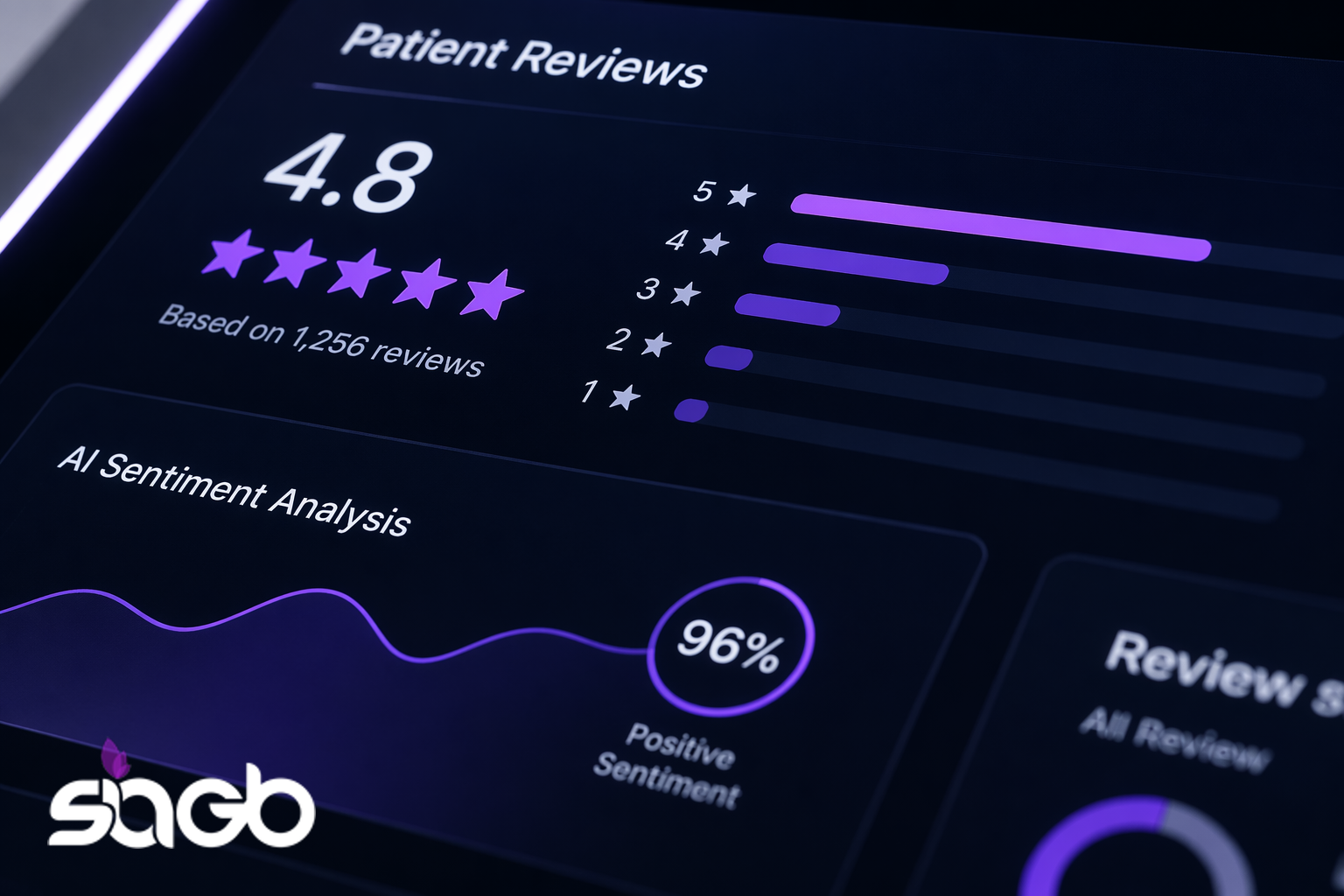
AI can help monitor reviews and draft responses. Human oversight ensures tone, privacy, and compliance. No data leaks. No awkward replies.
Online reputation healthcare work ties into content strategy and patient recall system design. Reputation management doctors rely on consistency and creativity. Humans still do this best.
Using Data and Chatbot Signals to Improve Care
Chatbots collect intent data. Questions asked. Pages viewed. Drop off points. Those signals matter.
Teams use this data to gain actionable insights and improve patient recall system performance. But data needs context.
Human experts turn data science insights into safe actions. They protect privacy while improving care pathways and creativity in messaging. That balance again.
Infographic: Human Led vs Fully Automated AI Content in Healthcare
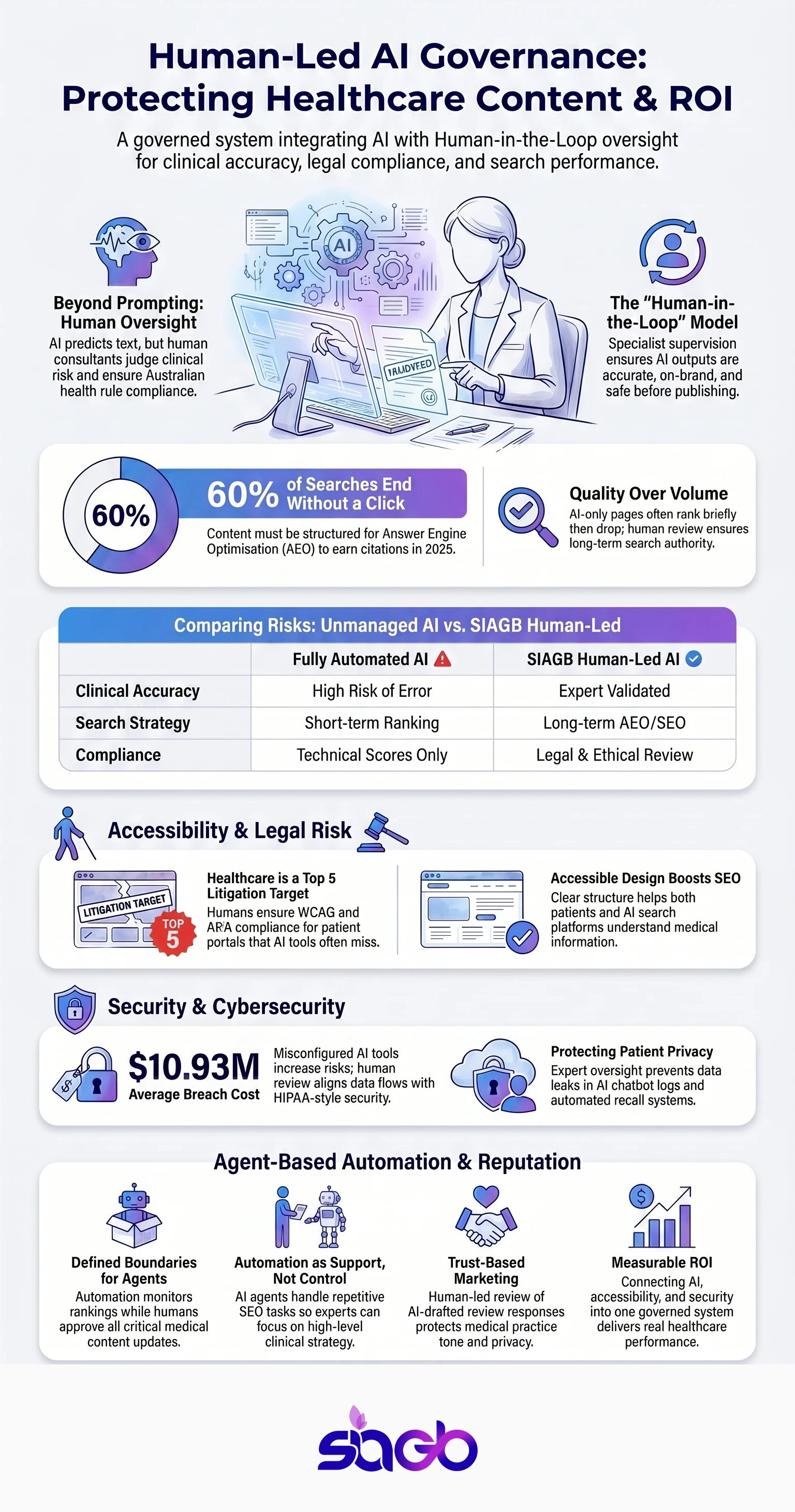
This infographic compares risk, compliance, accuracy, and ROI. It shows where automation helps and where it fails. Human led frameworks sit at key control points that protect patients and brands.
Frequently Asked Questions
What does a human content consultant for AI actually do?
Day to day, they set the rules an AI tool follows, sample its output for accuracy, sign off on anything with clinical or legal weight, and keep the brand voice consistent. Think of them as an editor, compliance check, and strategist in one role, measured on outcomes rather than word count.
Is AI content safe for medical websites?
AI content can help, but only with human oversight. Unreviewed AI generated content increases legal and clinical risk, especially for healthcare website accessibility and ADA compliance medical website needs.
How does answer engine optimisation change healthcare SEO?
It shifts focus from clicks to citations. Pages must be clear, accurate, and structured for AI answers in medical practice SEO.
Can AI run healthcare marketing on its own?
No. AI needs rules and review. Human expertise sets boundaries and approves critical changes in AI projects.
Does accessibility really affect SEO and marketing?
Yes, and the link is direct. Semantic headings, alt text, and clear contrast that help a screen reader also give search engines and AI systems cleaner signals to parse. So one accessibility fix often improves usability, ranking, and reduced legal exposure at the same time.
Are there roles for people working with AI content?
Yes. Demand is growing across healthcare, education, and retail. Many organisations now seek talent with AI training and consulting firm experience.
Final Thoughts and Key Takeaways
AI works best with people in control. Especially in healthcare. Content creation, accessibility, SEO, security, and creativity are connected systems, not silos.
SIAGB focuses on measurable outcomes. Not hype. AI solutions only work when guided by human expertise and a clear critical content framework.
If you’re using AI today, ask yourself. Who’s responsible for the result? That answer matters.
Sources
- MIT Technology Review (technologyreview.com)
- Stanford HAI - Human-Centred AI (hai.stanford.edu)

Want to explore this further?
Book a Free Consultation