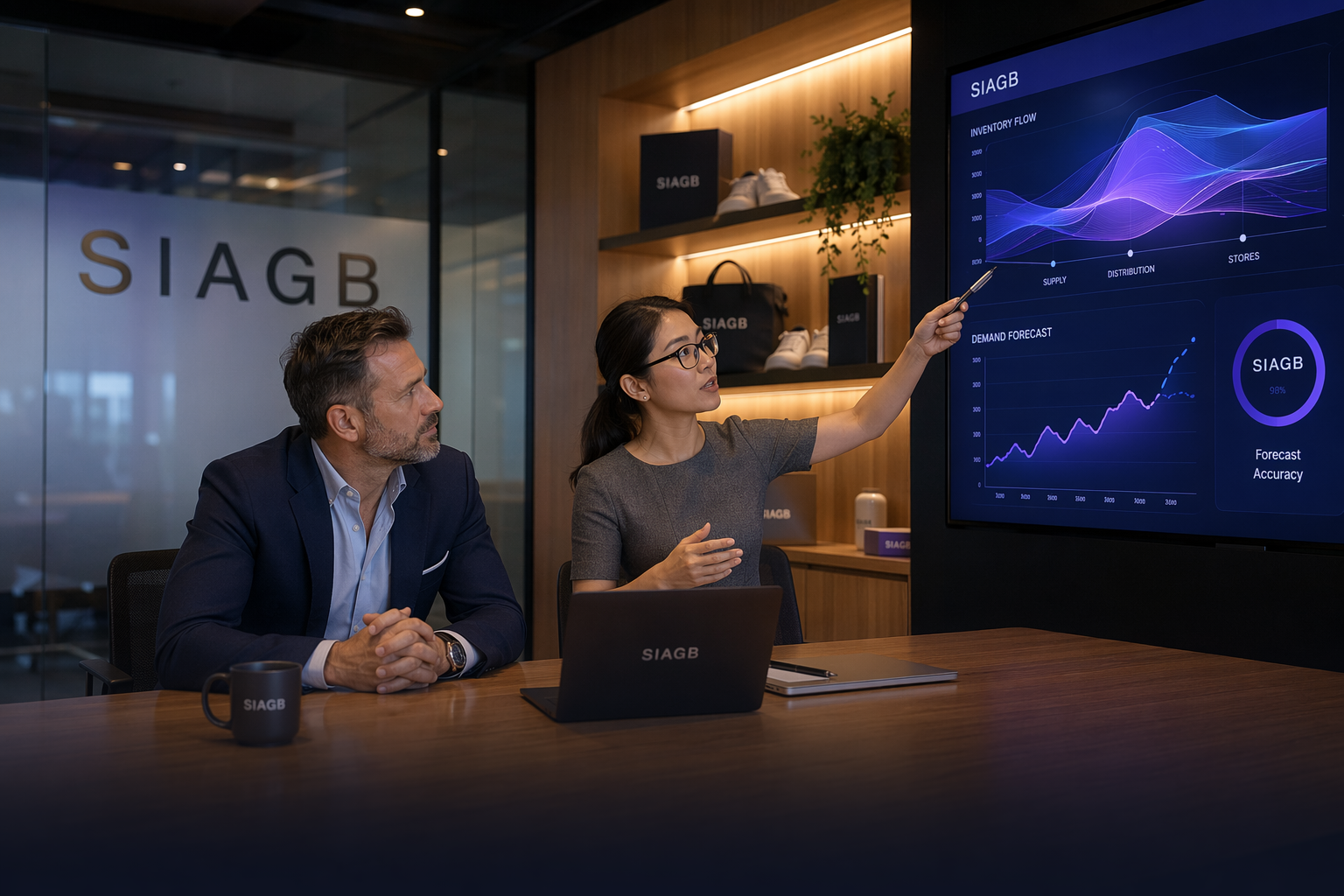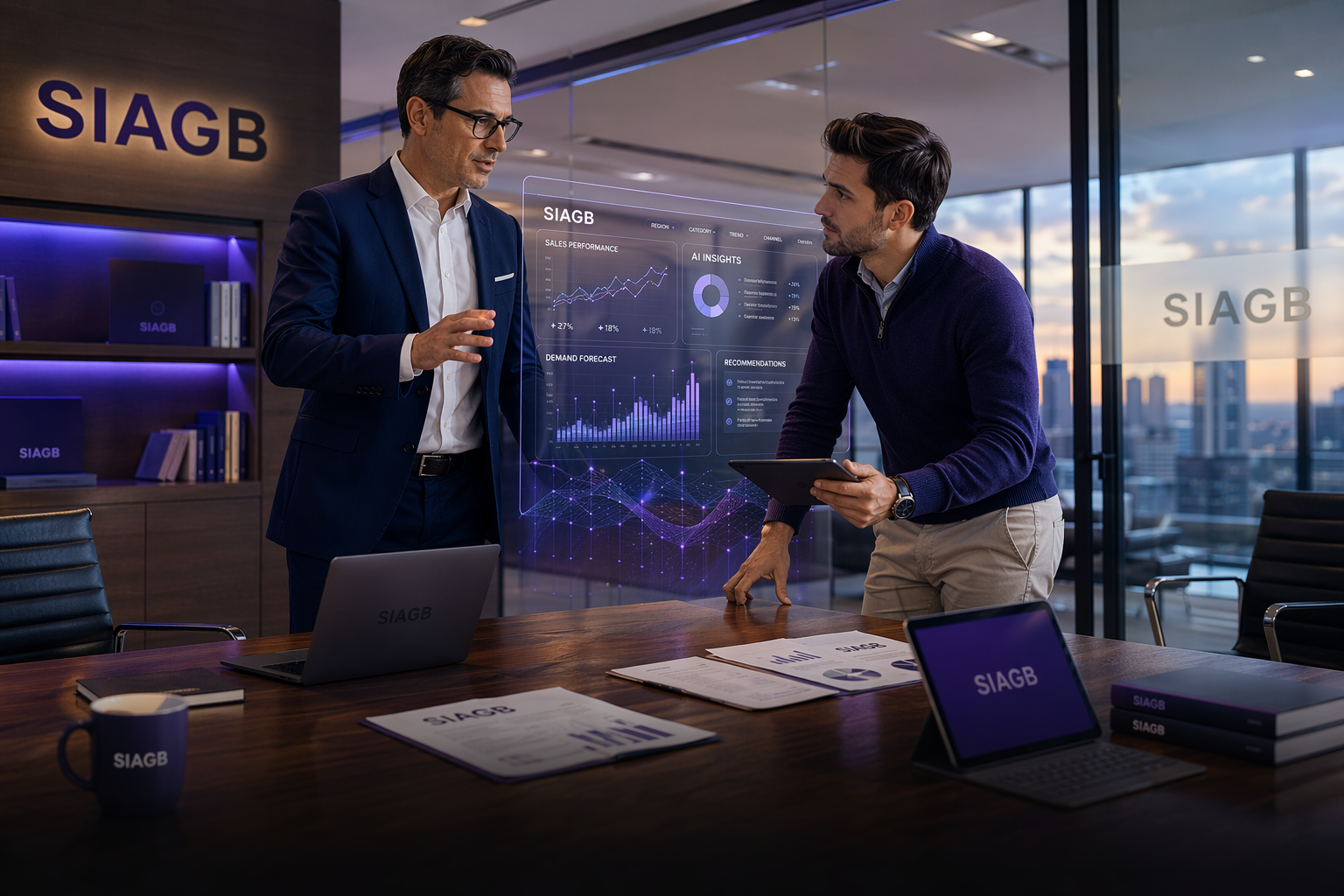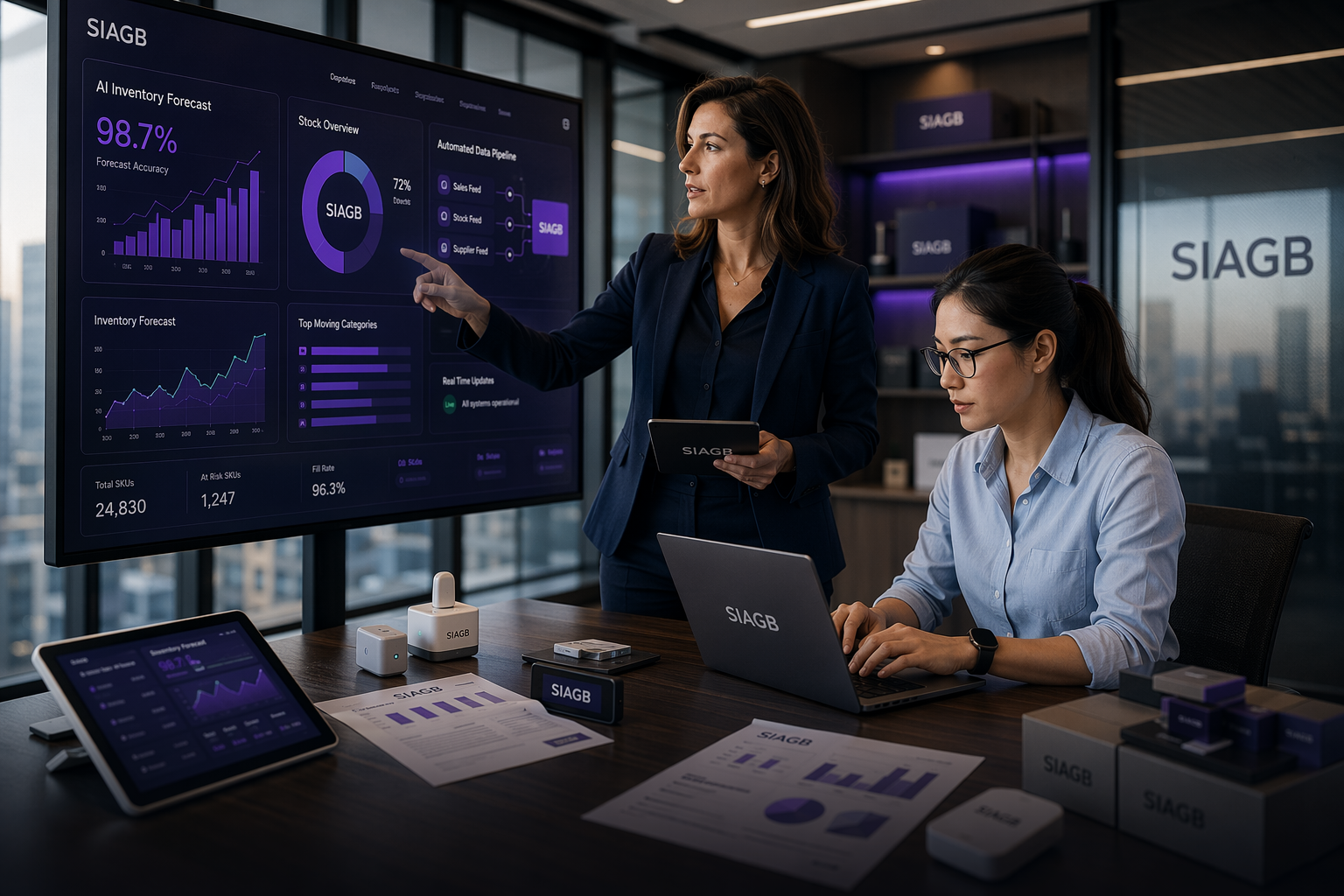
Retail AI solutions help retailers cut costs, manage inventory, and improve customer experience by using data and automation in daily operations. A strong ai solution works best when it targets a real business problem first, not shiny tools. In the United States, retailers using a problem-first ai solution see faster ROI and fewer failed projects.
Retail pressure is real. Costs keep rising. Labor is tight. Customer expectations never slow down. According to the National Retail Federation (2024), over 60 percent of retailers list cost control and staff shortages as their top two risks. At the same time, McKinsey reported in 2023 that AI-led retail operations can lift margins by up to 15 percent when deployed end to end. Big promise. Also big risk. Sound familiar?
Introduction: Why Retail AI Needs a Problem-First Approach
Retailers feel the squeeze every day. Rent goes up. Wages rise. Customers expect faster service and sharper pricing. Many leaders feel AI is the only way to keep pace. So they buy tools. Chatbots. Forecasting software. Analytics dashboards that look impressive.
And then… nothing much changes.
Here’s the thing. Most retail AI solutions fail because they start with technology, not the retail problem. I’ve seen it happen. A pilot launches. It looks smart. But it never fits real workflows. Staff ignore it. Momentum fades. Frustration sets in.
AI consulting for retail businesses works when it starts with pain points. Labor inefficiency. Inventory errors. Disconnected customer journeys. A well-scoped ai solution aligns AI capability to the way teams actually work. This article breaks down how retail AI solutions deliver outcomes in the real world. No hype. No demos. Just results.
What Are Retail AI Solutions and How Do They Work?
Retail AI solutions use data, AI models, and automation to help retailers make better decisions and run smoother operations. Simply put, AI technology looks at what happened before, what’s happening now, and what’s likely to happen next. Then it supports action across the retail operation.
So, how is AI used in retail? It begins with inputs. Sales data. Inventory levels. Customer behavior. Supply chain events. Online and in-store activity. AI systems use ai algorithms and analytics to analyze this data and surface customer insights people miss. Those insights then feed directly into tools staff already use.
The value doesn’t come from reports sitting in a dashboard. It comes from AI built into daily operations. Reordering stock. Routing customer support. Adjusting product recommendations. Triggering automation. According to Gartner (2024), over 70 percent of AI value in the retail industry comes from integration into daily workflows, not standalone pilots. That surprised me, honestly.
Common Retail Problems AI Can Solve Today
Retail problems aren’t abstract. They show up every shift. Missed sales. Wasted stock. Tired teams. And yes, unhappy customers.
So, how can AI be used in retail today? Focus on areas where AI application already works well and delivers actionable insights.
Key retail problems AI solves best include:
- Labor inefficiency across stores, warehouses, and support teams.
- Inventory imbalance, including overstock and stockouts driven by poor demand signals.
- Inconsistent customer experience and weak customer engagement across channels.
Retail AI solutions work best when they tackle one problem at a time. Not everything at once. Focus matters in the retail industry.
Reducing Labor Costs With AI Automation
Labor is one of the biggest costs in retail. Automation helps, but only when it fits the job. AI assistants can handle routine support tasks like order tracking, returns, and store hours. They work 24/7 and improve customer interaction without burning out staff.
Now, a quick reality check. Automated SEO agents and ai agents for seo often get mentioned here. They’re more relevant to marketing than store operations. But the principle is the same. Let AI handle repeat work. Let people focus on complex customer needs and customer success.
Retailers using AI automation in customer service report over a 40 percent reduction in handling time, according to IBM Retail Insights (2023). That frees staff to improve customer engagement and the in-store shopping experience.
Smarter Inventory and Supply Chain Decisions
Inventory mistakes cost money. Too much stock hurts cash flow. Too little kills sales. AI models improve demand forecasting by using sales history, seasonality, promotions, and real-time demand signals.
Supply chain AI flags risks early. Delays. Supplier issues. Transport problems. Retailers can act before shelves go empty. This improves inventory management, balances inventory levels, and supports smoother operation across locations.
From what I’ve seen, many retailers cut excess inventory by 10 to 20 percent in the first year. Not magic. Just better decisions, powered by ai analytics and retail intelligence.
Improving Customer Experience With Retail AI
Customer experience can make or break a retailer. AI helps personalize the shopping experience across channels. Personalized recommendations adjust to browsing and buying patterns. Search results improve. Checkout friction drops.
Personalized recommendations and dynamic pricing work best when used carefully. Customers should feel understood, not pushed. Consistency is key. Web, mobile, and in-store systems need to connect using shared customer data.
When retail AI solutions align data, analytics, and workflows, customer satisfaction usually rises. Better customer behavior insight leads to stronger loyalty. And yes, that drives repeat business.
AI Consulting for Retail Businesses vs DIY AI Tools
DIY AI tools look appealing. Low cost. Fast setup. Easy promises. But here’s the catch. Most fail in real retail environments.
Data is messy. Systems don’t talk. Staff resist change. DIY tools rarely fit existing workflows or the day-to-day operation. Then AI gets blamed.
AI consulting for retail businesses starts differently. It aligns AI capability with business goals, limits, and daily operations. Data readiness comes first. Integration follows. Deployment comes after. End-to-end delivery avoids handoffs that kill momentum.
Retail AI services that succeed treat AI as an operational capability, not a software purchase. That difference matters more than people expect in the retail sector.
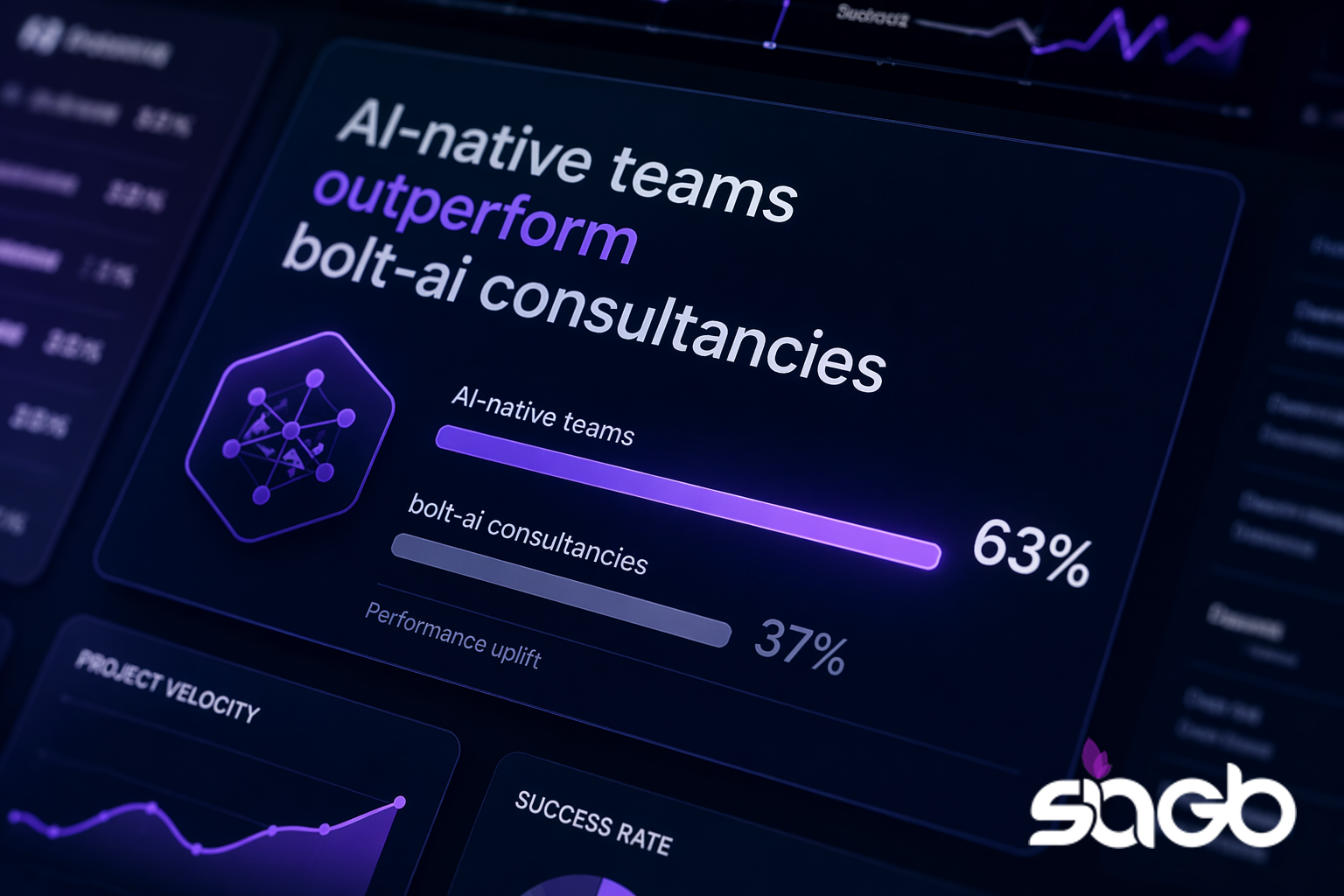
Why AI-Native Teams Outperform Bolt-On AI Consultancies
AI-native teams treat AI as core from day one. Not optional. Not an add-on. They design systems where AI shapes how the business runs.
SIAGB is AI-native. Founded in 2022, backed by over 20 years of IT and AI leadership. We build, deploy, and operate AI systems long term. No PDF and goodbye. Every ai initiative is owned end to end.
Agentic AI for marketing is a good example. Agentic ai solutions don’t just analyze. They act. They adjust campaigns. They optimize content. They learn using generative ai and analytics. This includes agentic SEO, automated SEO agents, and ai seo automation used across retail and healthcare marketing. Teams without deep AI experience struggle here.
Cross-industry experience lowers risk. Healthcare. Education. Retail sector. Financial services. Patterns repeat. Mistakes too. We’ve seen both.
Real-World Retail AI Examples With Measurable ROI
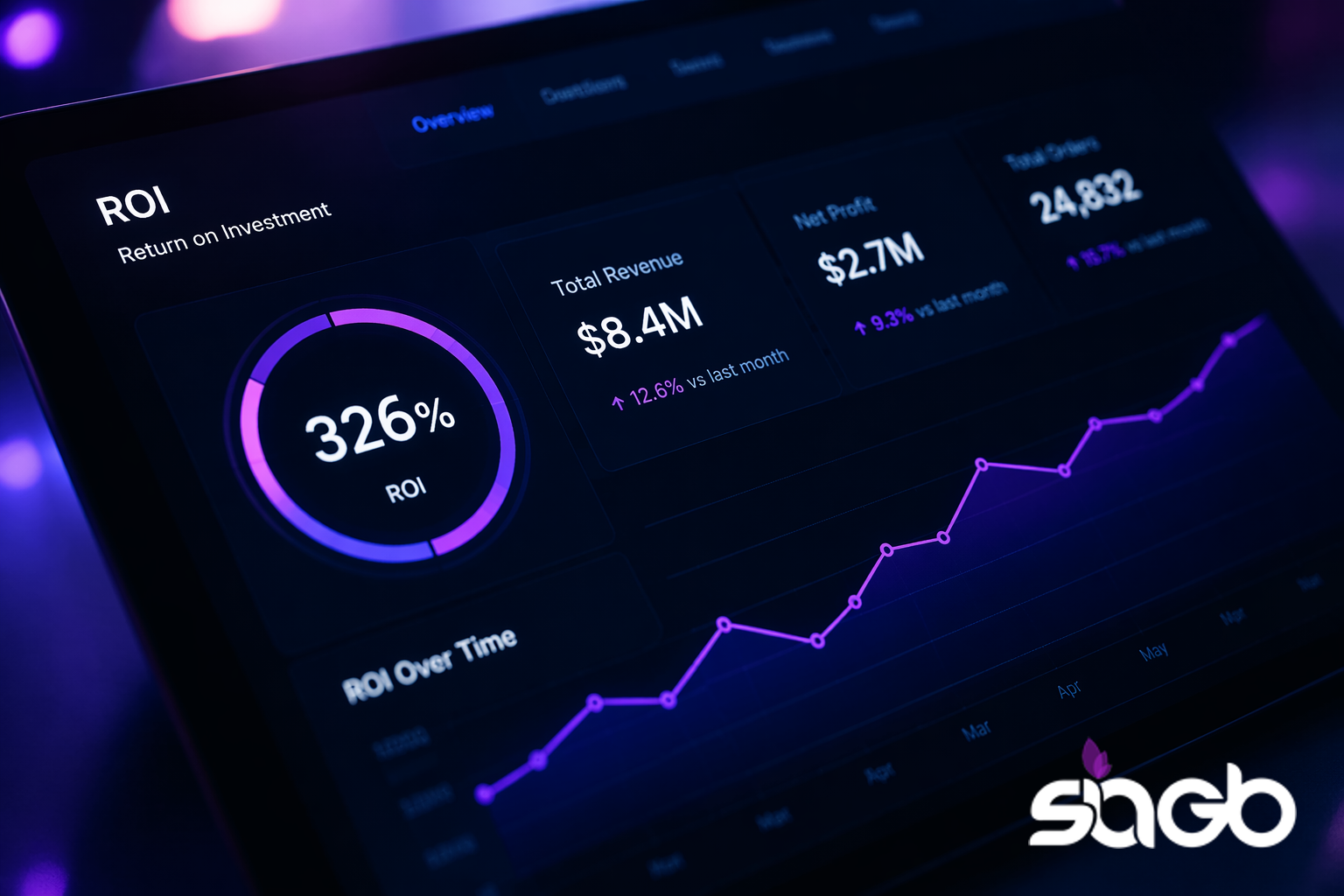
Let’s talk numbers. Evidence matters.
One retailer used retail AI solutions to automate customer support triage with AI assistants. The result was over a 40 percent reduction in average handling time within six months. Staff moved into sales-focused roles. A clear customer success story.
Another retailer applied AI forecasting to inventory and supply chain planning. Excess inventory dropped by 18 percent year on year. Cash flow improved. Fewer markdowns followed. Better demand planning made the difference.
A third case focused on customer experience. AI-driven personalized recommendations lifted online conversion rates by 12 percent. Basket size grew. The shopping experience felt smoother and more relevant. This customer success story wasn’t flashy. It was steady improvement.
The table below sums up these three retail AI examples side by side.
| Retail focus area | AI solution applied | Measurable result |
|---|---|---|
| Customer support | AI assistants for triage | Over 40 percent reduction in average handling time within six months |
| Inventory and supply chain | AI demand forecasting | Excess inventory dropped 18 percent year on year |
| Customer experience | AI-driven personalized recommendations | Online conversion rates lifted by 12 percent |
Each solution tied directly to a business metric. Cost. Revenue. Time. That’s the pattern.
Using AI for Retail Marketing and Search Visibility
Retail marketing is changing fast. AI SEO automation and agentic SEO help brands stay visible as search shifts toward answer engines. Google. Voice search. AI summaries.
Generative ai plays a growing role here. AI content systems can scale product descriptions and category content safely. Done right, they protect brand voice and accuracy while improving analytics insight. This mirrors how ai content medical practice systems support medical practice seo and healthcare seo strategy without risking compliance.
Answer engine optimization prepares retailers for AI-driven discovery. The same answer engine optimization medical principles apply. Clear structure. Direct answers. Strong domain insight. Agentic AI for marketing adapts content based on real customer behavior, not guesses.
Data Privacy, Security, and Compliance in US Retail AI
Retail AI relies on customer data. Names. Transactions. Behavior. That brings risk. Cyber threats grow as automation expands and ai technology becomes more embedded.
While HIPAA cybersecurity, medical practice data security, and healthcare cybersecurity threats apply directly to healthcare, the lesson holds for retail. Build security into every ai initiative from day one. US privacy laws expect it.
Cybersecurity for doctors often highlights risks like ransomware and data leaks. Retail faces similar exposure. Secure AI systems protect customer trust, brand reputation, and long-term operation.
How to Measure ROI From Retail AI Projects
ROI starts before development. Define success early. Cost savings. Revenue lift. Time reduction. Customer satisfaction and engagement.
Track results continuously using analytics. AI projects need tuning. Models drift. Demand changes. That’s normal in the retail industry.
Strong retail AI programs focus on:
- Clear baseline metrics before AI deployment.
- Ongoing optimization rather than one-off pilots.
- Alignment between business owners and technical teams using shared analytics.
Retail AI solutions that improve over time deliver the strongest return. One-off deployments rarely do. Ongoing optimization is where value compounds.
Infographic: Retail AI From Problem to ROI
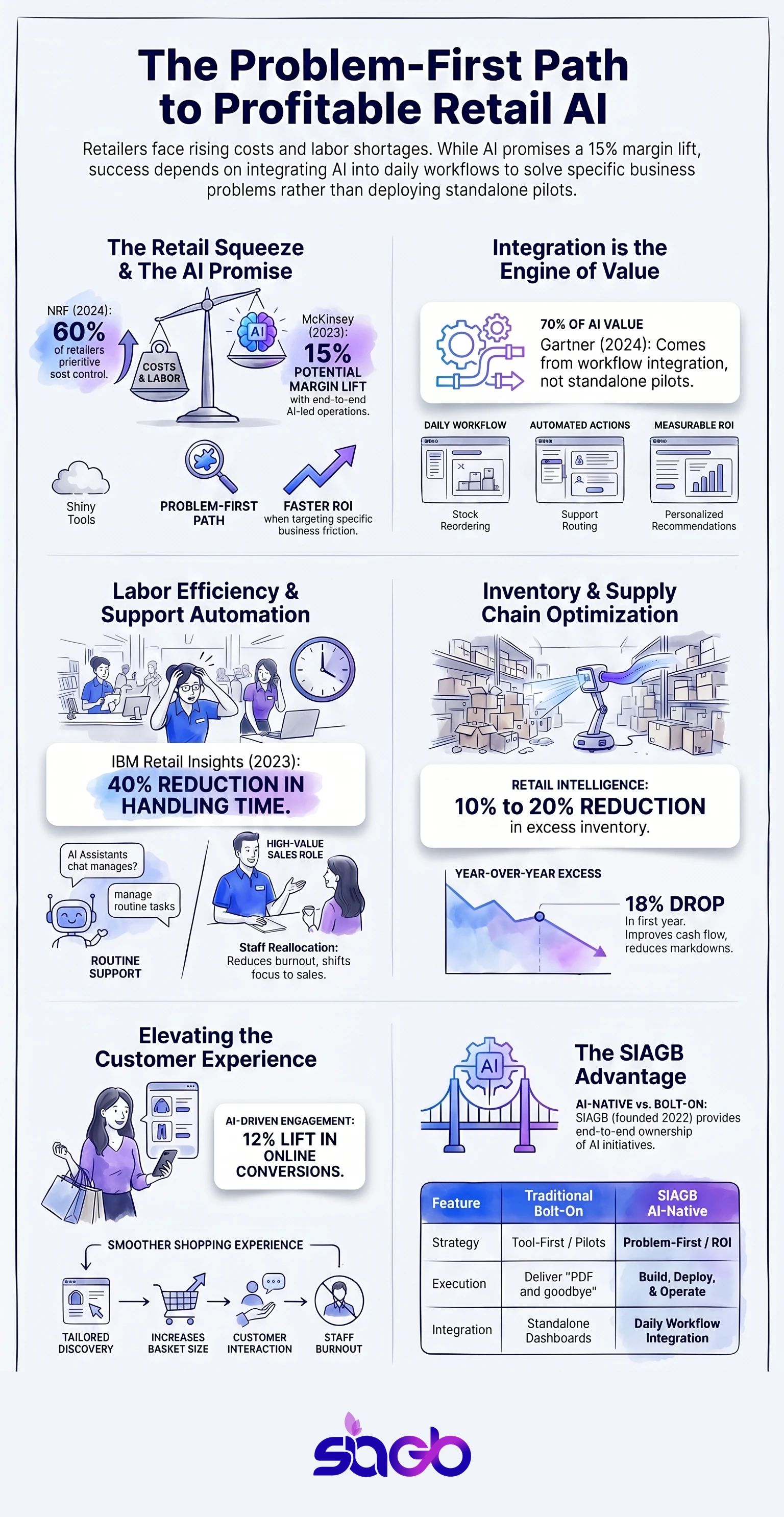
This infographic shows how retail AI solutions move from pain point to ROI. It covers data readiness, model deployment, workflow integration, and optimization. It also highlights where most retail AI projects fail and where ai application succeeds.
Frequently Asked Questions
How is AI used in retail today?
AI is used in retail for inventory management, demand forecasting, customer service automation, product recommendations, retail intelligence, and marketing analytics. The biggest gains come when AI is embedded into daily workflows.
What retail problems see the fastest AI ROI?
Labor efficiency, inventory optimization, and customer support often deliver the fastest ROI. These areas have clear metrics, repeat demand patterns, and tasks suited to AI application.
Do small retailers benefit from retail AI solutions?
Yes, but scope matters. Smaller retailers should start with one focused ai solution tied to a clear problem in their operation. Overreach causes failure.
Is generative AI safe for retail use?
Generative ai is safe when data governance, security controls, and human review are built in. Uncontrolled use increases risk and weakens customer trust.
How long does it take to see results from retail AI?
Most retailers see measurable results within three to six months when AI is deployed end to end. Pilots alone rarely deliver ROI.
Key Takeaways and Final Thoughts
Retail AI solutions work when they solve real business problems. Not when they chase trends. Start with pain points. Tie AI to workflows. Measure outcomes using analytics and clear customer insights.
End-to-end, AI-native delivery lowers risk. It also speeds up value. Retailers should ask for evidence. Numbers. Real customer success stories.
SIAGB helps retailers do exactly that. Problem first. AI second. Results always.
Sources
- MIT Technology Review (technologyreview.com)
- Stanford HAI - Human-Centered AI (hai.stanford.edu)

Ready to put this into practice?
Let's Talk