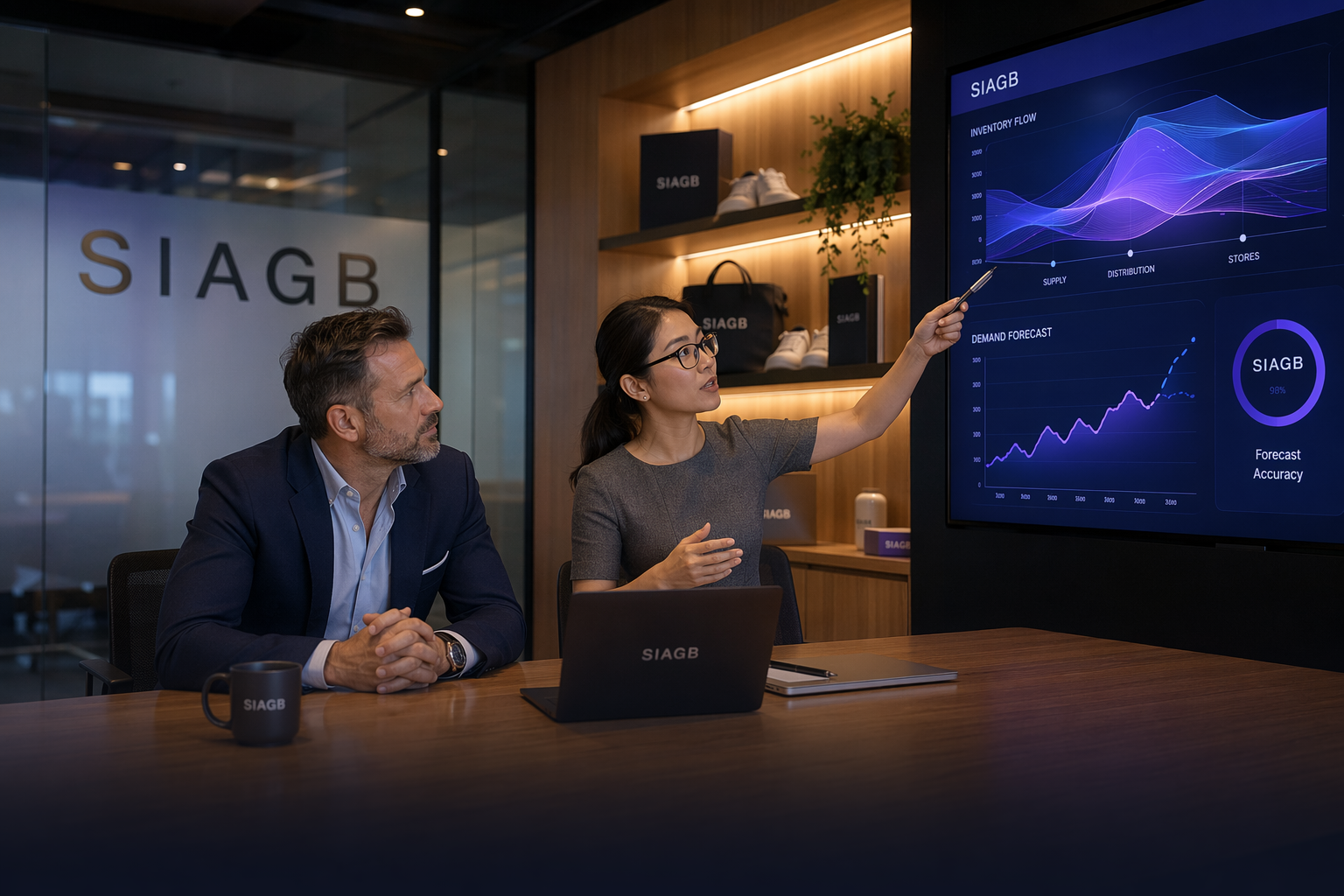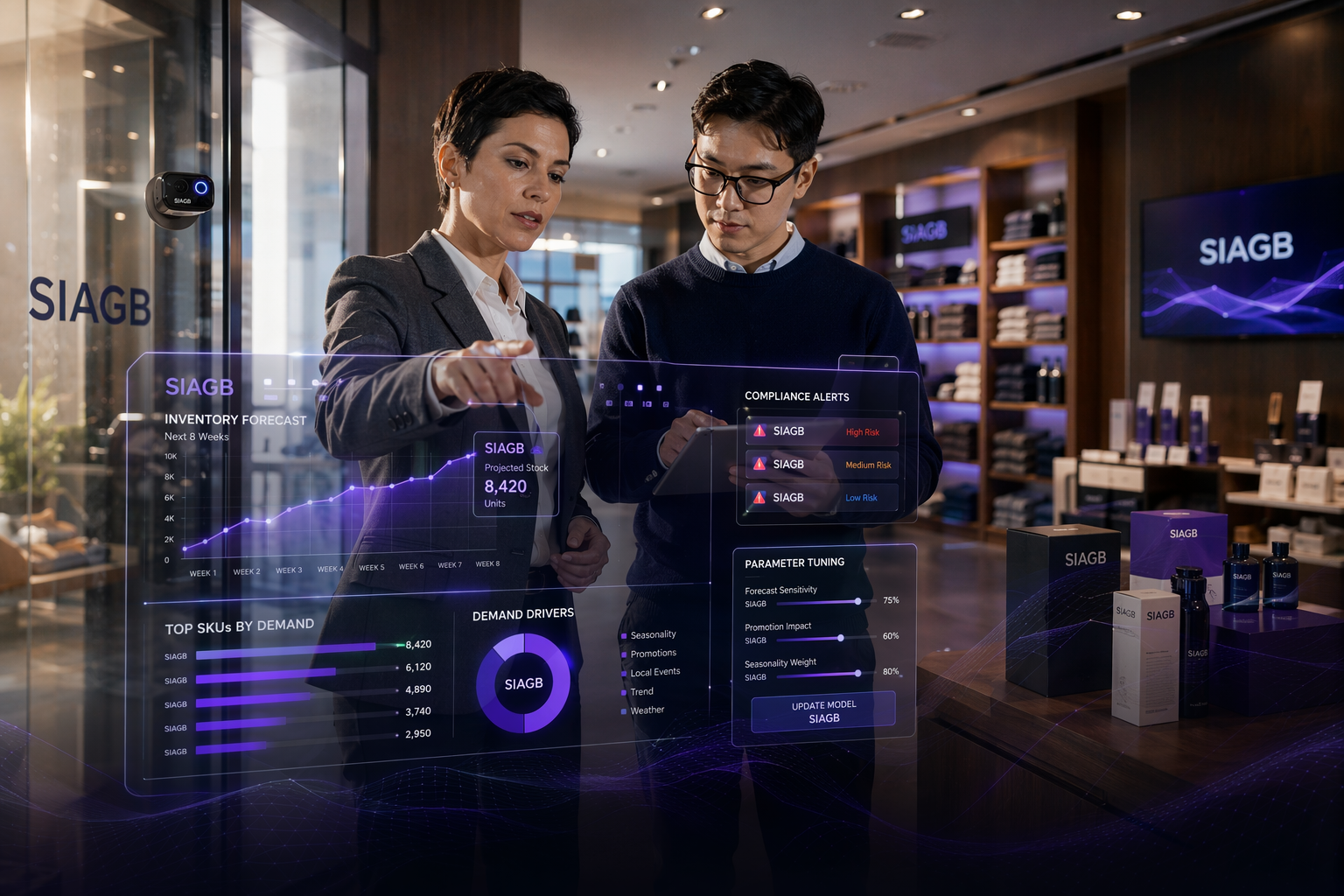
Retail AI uses data driven systems and AI agents to improve decisions, cut costs, and grow revenue. In 2026, this approach focuses on real outcomes like inventory control, customer experience, and compliance. The value comes from strategy first delivery, not tools on their own. SIAGB works this way because measurable outcomes matter more than hype.
Introduction: What Retail AI Means in 2026
In 2026, AI in the retail industry isn’t about flashy demos anymore. It’s about fixing everyday problems. Rising labour costs. Thin margins. Shoppers who expect fast, personal service. Australian businesses face this daily, whether they run a physical store, an online channel, or both. The Australian Bureau of Statistics tracks retail turnover and labour figures that show just how tight these conditions have become.
Here’s the thing. AI works when it starts with the problem, not the platform. SIAGB sticks to this because bolt on tools often fail in real retail operations. I’ve seen it happen. Systems grow, ownership blurs, and the operation suffers. When healthcare led retail models enter the mix, complexity rises again. Accessibility rules, data security, and trust matter more than ever.
AI now spans sales, inventory management, marketing, and customer service. It shapes the shopping experience from first click to repeat visit. When done right, it saves time, cuts waste, and lifts customer satisfaction. When done poorly, risk creeps in. Sound familiar?
What Is Retail AI in Practice?
In practice, AI brings data, automation, and decision systems together across the full journey. It connects demand signals, inventory levels, pricing, and customer behaviour into one loop. This is day to day work for any modern retailer, powered by AI agents and automation.
An AI agent can act within clear rules. For example, one agent can adjust stock orders when demand changes. Another agent can answer customer questions after hours. Agent based systems reduce manual work while keeping people in control. That balance matters.
Generative AI adds another layer. It creates content, summaries, and responses using customer data and context. When paired with strong AI capability and clear limits, it improves speed and accuracy. Reporting from MIT Technology Review repeatedly makes the same point: the gains come from disciplined deployment, not the model alone. AI native platforms matter here. From my experience, add ons break as systems scale. Native designs handle real world complexity better.
Why Does Retail AI Fail Without a Strategy?
Most failures start with a tool first mindset. A chatbot here. A dashboard there. Nothing connects. ROI fades fast.
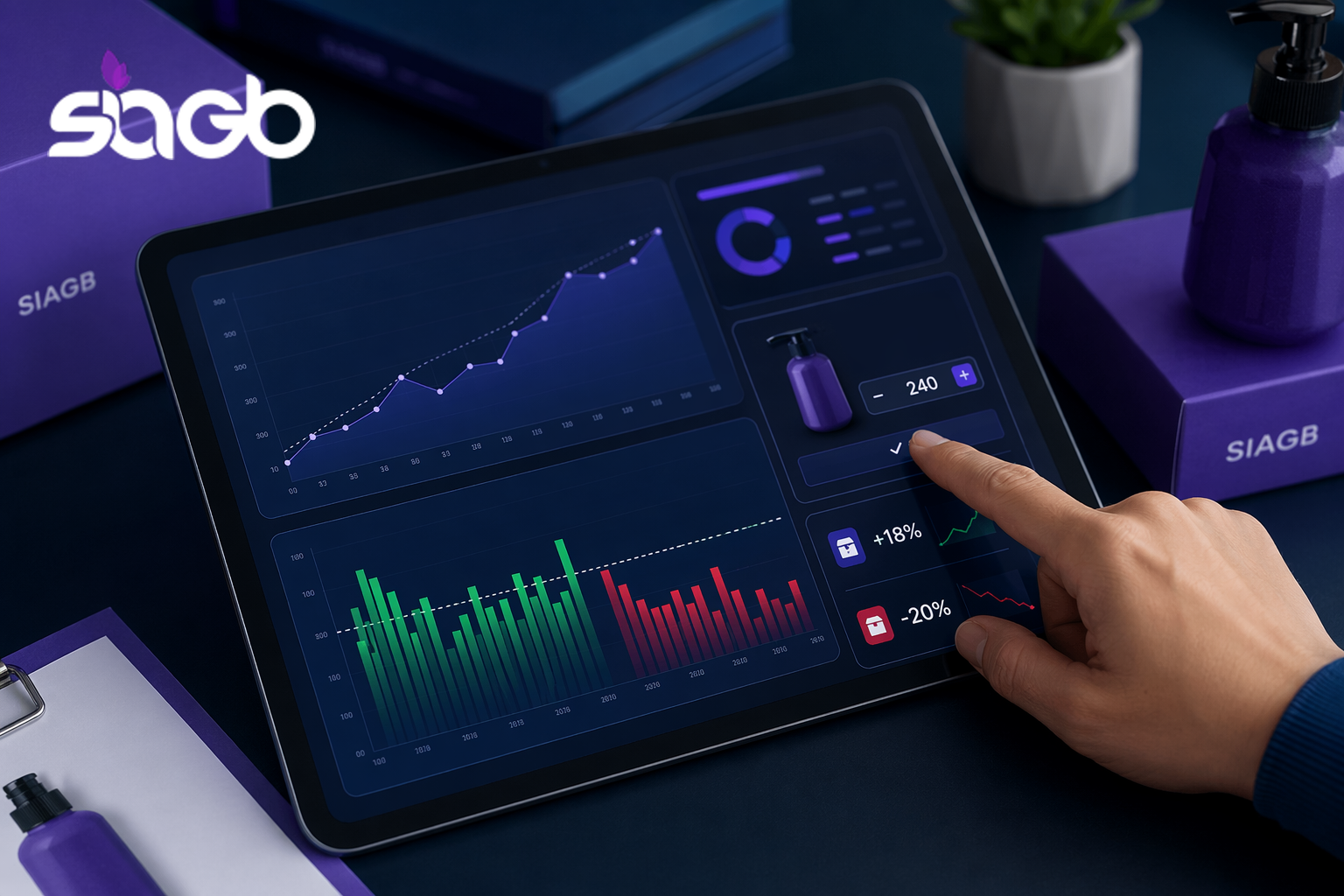
Ownership is another issue. One vendor builds models. Another manages data. A third runs the website. Gaps appear. When something breaks, no one owns the result. I don’t like that approach. Never have.
Compliance also gets pushed aside. Accessibility, privacy, and security are treated as later fixes. In regulated environments, especially healthcare led retail business models, that’s risky. AI technology must support compliance from day one.
How Does an AI Strategy Drive Revenue Growth and Cost Reduction?
A strong AI strategy starts with revenue and cost, not features. Revenue growth often comes from personalisation, smarter pricing, and repeat purchases. Cost reduction comes from automation across service and the wider retail operation.
Customer experience links both sides. Faster responses. Better stock availability. A smoother shopping experience. Customers return when things just work. Right? Industry bodies such as the Australian Retailers Association point to the same connection between service quality and repeat trade.
According to the National Retail Federation, data driven personalisation can lift conversion rates by double digits in many retail sector use cases. Clear goals matter, for example:
- Reducing stockouts by 20 percent
- Cutting service handling time in half
- Improving demand forecasting accuracy each quarter
This is how strategy should work. Simple goals. Measurable results.
A useful way to think about delivery is in phases. Each phase has a single focus and a clear owner, so nothing falls through the gaps.
| Strategy phase | Primary focus | Typical first win |
|---|---|---|
| Discovery | Find the costliest problem | A ranked list of where AI pays back fastest |
| Build | Connect data and agents | One working loop, not scattered tools |
| Run | Measure and refine | Steady gains in stock accuracy and service speed |
| Scale | Extend across the operation | Consistent ROI as volume grows |
AI Personalisation, Forecasting, and Inventory
Predictive demand forecasting helps businesses order the right stock at the right time. Overstock drops. Missed sales fall. Cash flow improves. Demand planning becomes proactive, not reactive.
Personalisation uses customer preferences, purchase history, and sales data to tailor offers. A personalised recommendation or set of product recommendations can lift order value without heavy discounts. That surprised me, honestly.
Supply chain visibility improves too. Better forecasts support supplier planning and logistics. Inventory management shifts from guesswork to insight. Supply chain resilience improves when systems talk to each other. That’s a big change.
Here is how the main strategies line up against the benefit you should expect from each one.
| AI strategy | Expected benefit |
|---|---|
| Predictive demand forecasting | Fewer stockouts and less overstock |
| Personalisation | Higher order value without deep discounts |
| AI customer service agents | Lower handling time and round the clock cover |
| Secure, compliant design | Protected data and stronger customer trust |
AI Agents for Customer Service and Sales
AI agents now handle a large share of customer interaction tasks. They answer questions, track orders, and manage follow ups. Each agent focuses on a clear job. That’s automation with a purpose.
Voice based systems help manage call spikes and after hours demand. Shoppers get help when they need it. Staff focus on complex issues. Win win.
Conversational AI also acts as a listening tool. Chatbot analytics reveal customer feedback, friction points, and unmet customer demand. This insight helps teams improve flows and boost customer engagement over time.
Agentic SEO and Answer Engine Optimisation
Traditional SEO focuses on pages and rankings. Agentic SEO focuses on answers. That shift matters.
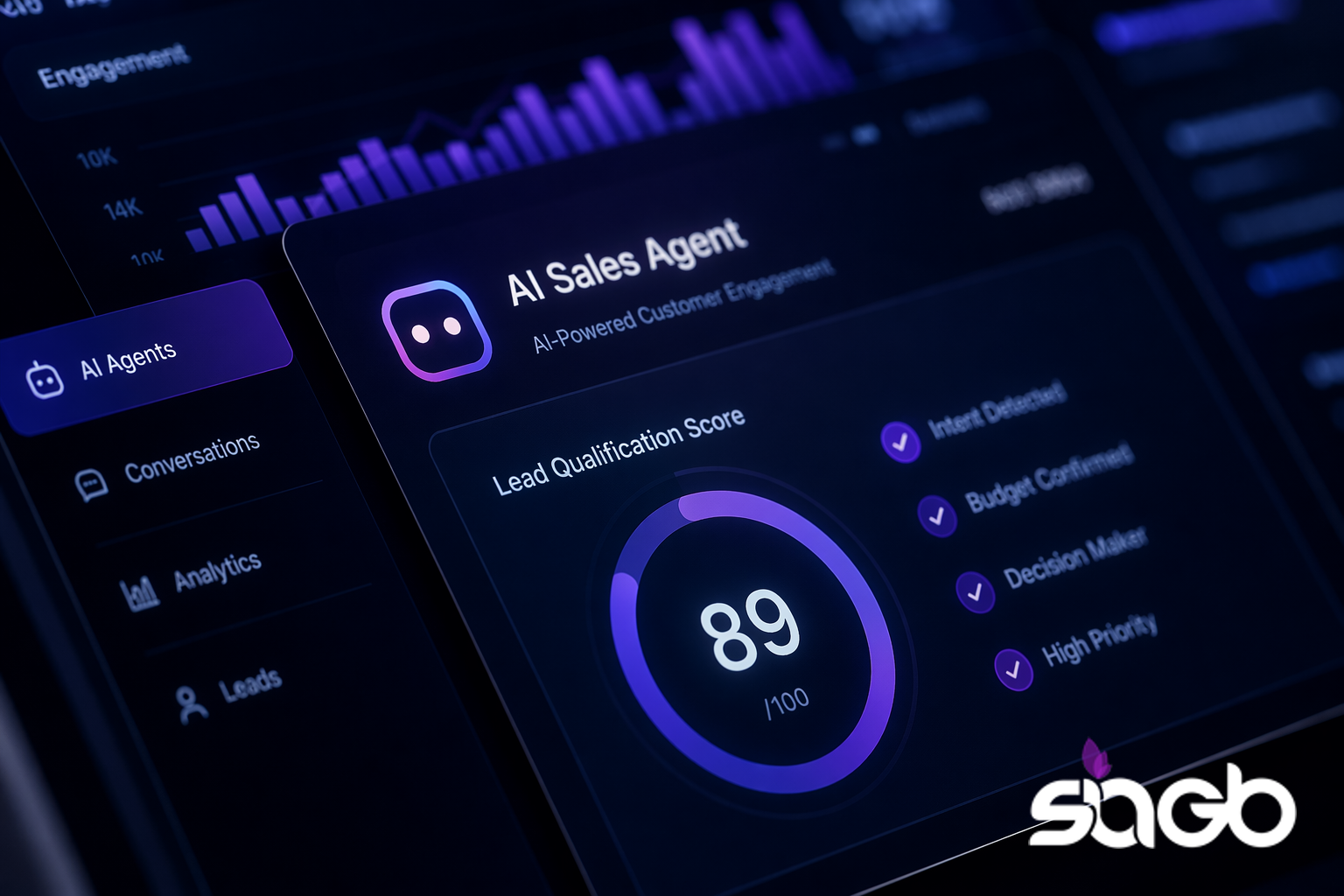
AI agents for SEO track search trends, update content, and optimise for AI engines in real time. Each agent works continuously, adapting faster than manual methods. This supports automation at scale while keeping brand trust intact.
For healthcare and regulated retail models, accuracy matters more than clicks. Generative AI can help draft content, but humans must guide it. Honestly? When teams skip that step, things go wrong.
AI in Healthcare Led Retail Models
Healthcare operators adding retail style services face strict rules. Accessibility, privacy, and safety aren’t optional.
AI applications in these settings must support care outcomes. Not just conversion. Systems should reduce admin load, protect data, and improve access. Financial services style controls often apply here too, especially around data handling.
Accessible design improves trust. Clear language. Simple flows. Voice support. Good design helps everyone.
How Do You Build Secure AI Systems and Protect Retail Data?
AI systems increase risk if security is ignored. More data. More connections. More exposure.
Healthcare led models require strong controls. Security thinking borrowed from healthcare and financial services shapes safer systems. Trust is the foundation. Without it, customer loyalty drops fast.
Supply chain data, customer data, and operational data must all be protected. Security added later is too late. Always has been.
AI Optimised Website Redesign
Modern websites must support speed, accessibility, and AI discovery. Slow sites lose shoppers. Confusing ones do too.
Redesign projects now include AI readiness. Structured content supports AI platforms and improves discovery. This also strengthens long term customer engagement and retention.
A modern site supports both customers and staff. It cuts admin work and improves flow. That balance matters.
Reputation, Reviews, and Recall Systems
AI improves review workflows by timing requests and tracking sentiment. Feedback feels natural, not forced.
Recall systems bring customers back at the right time. This supports repeat visits and long term customer loyalty without spam.
Reputation management works best when customer feedback is analysed and acted on. Data beats guesswork. Every time.
Real World AI Deployments at Scale
AI shows value at scale when strategy, build, and run stay connected. SIAGB has delivered systems across education, healthcare, and the wider retail sector with measurable ROI.
Marvel PTE supports over 85,000 users across 900 institutes. That proves modern AI models can handle complexity when built end to end.
Many discussions miss this point. Fragmented delivery slows progress. Connected teams move faster.
Infographic: AI Systems From Strategy to ROI
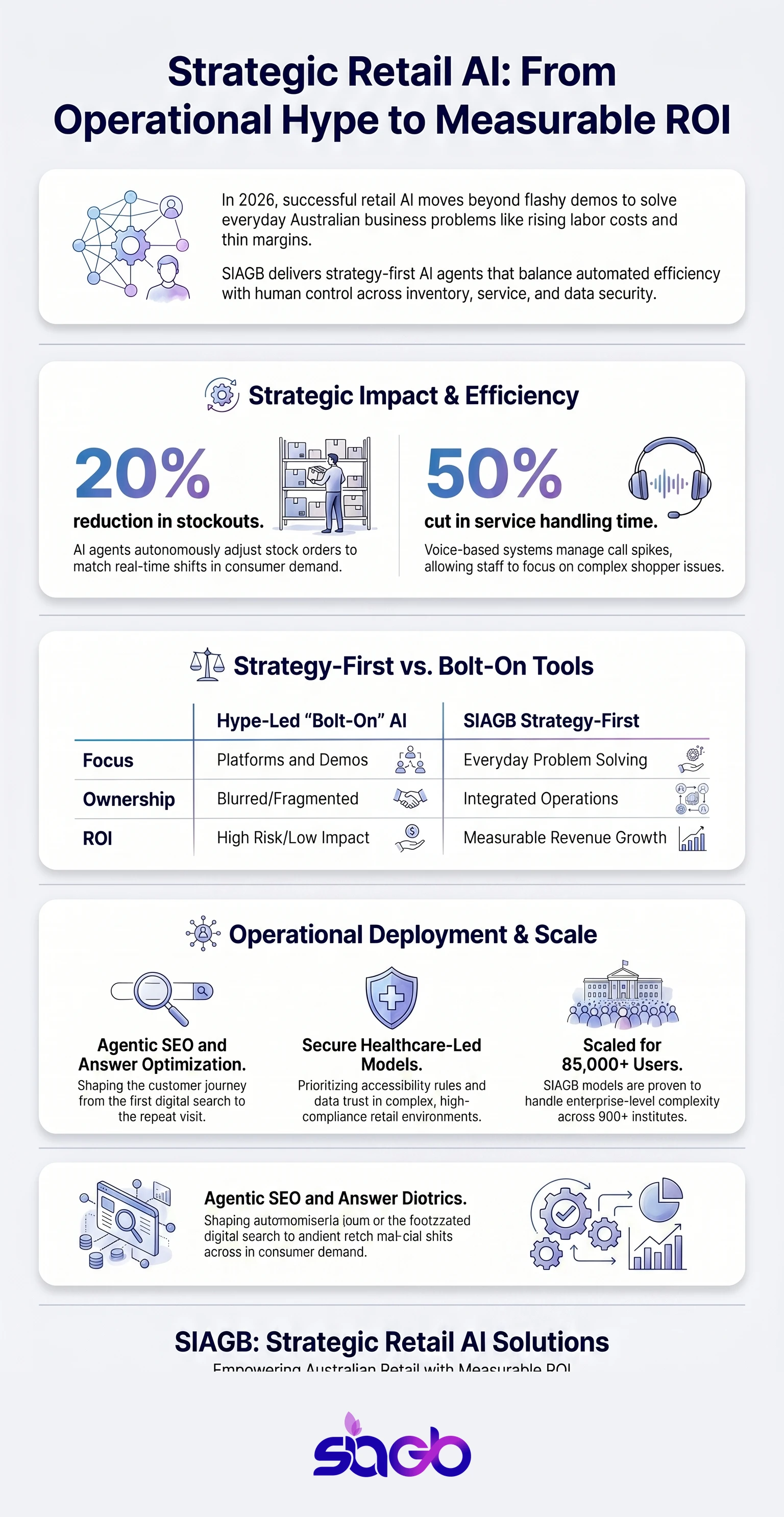
This infographic maps AI from strategy through deployment. It highlights compliance, supply chain touchpoints, and security checks. It also shows where revenue lifts and cost savings occur. Systems only deliver ROI when every step connects.
Frequently Asked Questions
What is retail AI and how does it help businesses?
Think of it as one connected loop rather than a single tool. Demand signals, stock levels, pricing, and customer behaviour feed each other, so a decision in one area updates the rest. That joined up view is what cuts waste, lifts revenue, and makes service feel quicker to the shopper.
Are AI agents safe to use in healthcare led retail?
Yes, provided each agent is scoped to one job and given firm limits on the data it can touch. The safest setups keep a person in the loop for sensitive decisions and log every action, so you can audit exactly what the agent did and why.
How does generative AI help customer engagement?
Generative AI creates responses, summaries, and recommendations using context. When guided well, it improves speed and relevance in customer interaction.
Can AI improve customer satisfaction and loyalty?
Yes. Better personalisation, faster service, and accurate stock levels all support higher satisfaction and repeat visits.
Do these systems work for smaller businesses?
They can. A focused strategy often delivers fast ROI, even for small teams.
What are the biggest risks in adoption?
Poor strategy, weak security, and ignored compliance are the main risks. End to end planning reduces them.
Key Takeaways and Final Thoughts
AI works when it solves real problems. Not when it chases trends. Australian businesses need strategy first thinking.
Personalisation, strong supply chain planning, and clear ownership drive results. Compliance and security protect long term growth.
End to end delivery matters. When one team owns the outcome, AI becomes a growth tool. Used well, it changes how businesses operate and serve their customers.
Sources
- MIT Technology Review (technologyreview.com)
- Stanford HAI - Human-Centred AI (hai.stanford.edu)

Thinking about how this applies to your business?
Start a Conversation