
Voice AI consultants help Australian organisations turn phone calls into safe, measurable workflows. They design voice systems that handle real enquiries, cut missed calls, and meet healthcare compliance rules. In practice, voice AI only delivers ROI when it connects with scheduling, data security, and search behaviour.
So, what does that actually look like for a clinic or retailer?
Introduction
Phones still matter. In healthcare and retail, calls drive bookings, trust, and revenue. Yet many Australian businesses miss calls every day, especially after hours or during peak times. Staff get stretched, patients wait, and opportunities slip away. Sound familiar?
This is where voice AI consultants Australia step in. Not with generic tools, but with AI consulting grounded in real workflows. Healthcare and retail have rules, risks, and legacy systems. A basic AI solution won’t cut it.
You’ll learn how voice AI supports ROI, compliance, and integration. We’ll look at healthcare and retail use cases, search and AEO links, and what modern delivery looks like for an Australian business. No hype. Just what works.
What Voice AI Consultants Do in Practice
Voice AI is artificial intelligence that understands speech, manages a conversation, and responds by voice. An AI voice agent answers calls, gathers details, and triggers actions in other systems. In regulated industries, that matters.
A voice AI consultant goes further than a chatbot vendor. Chatbots often handle text only and stop at basic FAQs. Voice AI consultants design full call flows, error handling, and safe escalation to humans. They plan for accents, background noise, and how people actually speak. As MIT Technology Review has reported, speech systems now handle far more natural conversation than the rigid menus of a few years ago, which raises what patients and customers expect on a call.
The table below maps common voice AI capabilities to the business outcome they support, so you can see where the value sits before any build begins.
| Voice AI capability | Primary business use | Typical outcome |
|---|---|---|
| Inbound call answering | Reception and triage | Fewer missed calls, faster routing |
| Outbound recall calls | Patient follow-up | Lower no-show rates |
| Lead qualification | Retail and service enquiries | Warmer handoffs to staff |
| Call analytics | Continuous optimisation | Shorter calls, better resolution |
End-to-end delivery is the difference. Strategy defines where voice adds value. Build connects the voice agent to booking systems, CRMs, or EHRs. Optimisation then improves call outcomes over time using analytics. This approach treats voice as part of operations, not a gadget.
How Do Voice AI Use Cases Work in Australian Healthcare?
Healthcare calls are complex. Patients ask about appointments, scripts, recalls, and urgent issues. A voice AI system has to listen, route, and act safely.
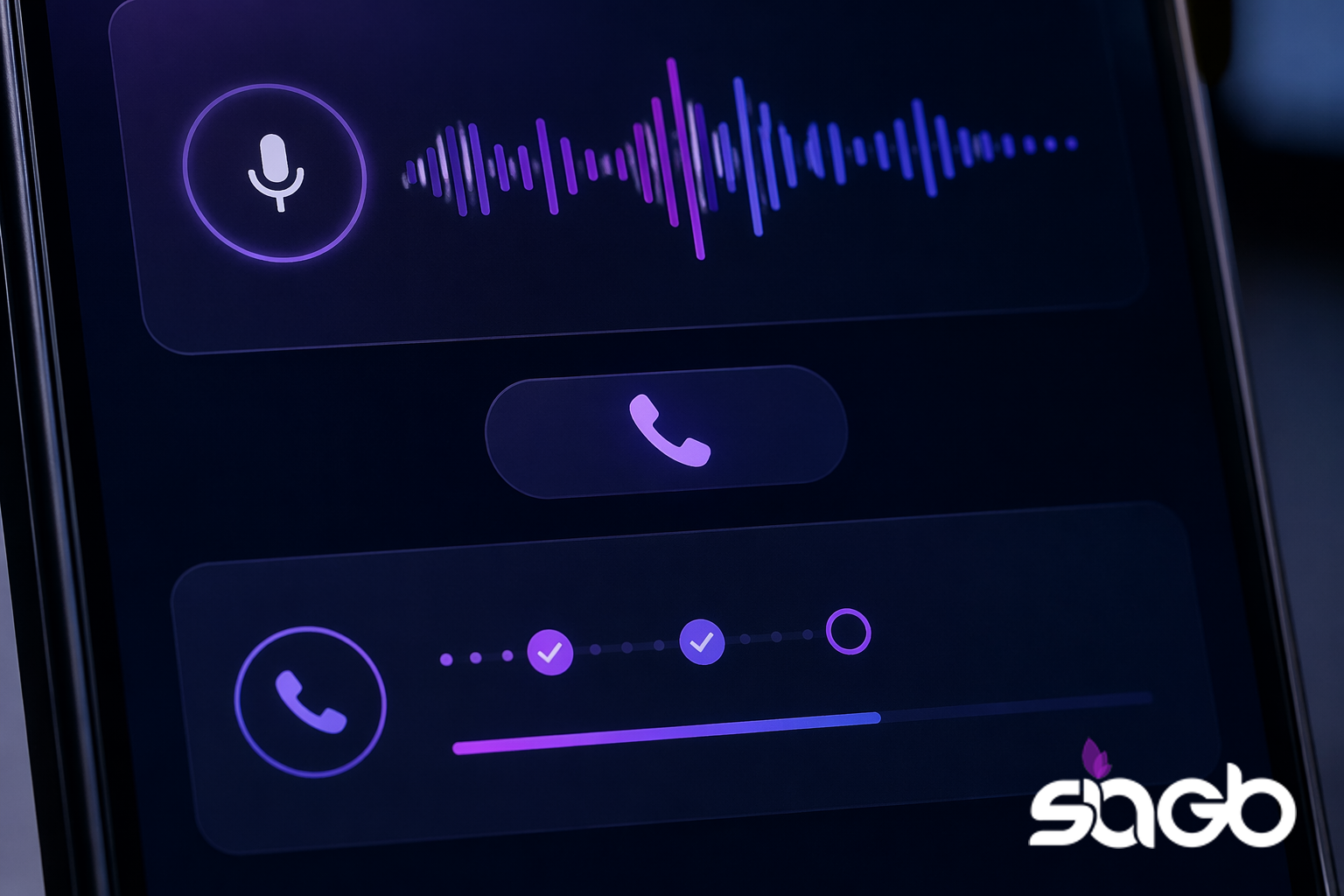
One common use case is the patient recall system. Voice AI makes outbound calls for check-ups or follow-ups, confirms availability, and updates schedules. Clinics using this approach often reduce no-shows by 20 to 30 percent, based on internal SIAGB delivery data from 2024 projects. Staff also save hours each week.
Another use case is the AI voice receptionist. It answers inbound calls, handles bookings, and triages based on symptoms. If a call needs a nurse or doctor, it transfers with context. Patients don’t have to repeat themselves. Staff see fewer interruptions.
These healthcare AI systems integrate with scheduling and EHR platforms. That integration is the hard part. Voice alone isn’t enough. When done well, clinics report shorter call queues, fewer missed calls, and better patient access. And yes, patients notice.
Key Point: In healthcare, voice AI works best when it supports staff, not replaces them.
Voice AI for Retail and Service Businesses
Retail and service businesses face similar call pressure. After-hours enquiries pile up. Leads go cold. A voice agent can answer calls, qualify needs, and log details in a CRM. Small and medium businesses make up the bulk of Australian employers, and figures from the Australian Bureau of Statistics show how many of these firms run lean teams, which is exactly where missed calls hurt most.
Here is how voice AI applications tend to map across the industries we work with most:
| Voice AI application | Healthcare | Retail and service |
|---|---|---|
| Booking and scheduling | Appointment confirmations | Reservations and orders |
| After-hours coverage | Triage and message capture | Lead capture and FAQs |
| Follow-up calls | Recalls and check-ups | Post-sale support |
| System integration | EHR and scheduling | CRM and inventory |
For AI consulting for retail businesses, voice AI often integrates with inventory and booking systems. Customers get answers fast. Teams follow up with context. Some clients see call handling costs drop by 25 percent while conversion lifts through faster response.
Voice AI services here focus on speed and consistency. The goal is better customer service without extra headcount. Simple. Effective.
AEO and AI SEO for Medical Practices
Patient search behaviour has changed. People now ask full questions and expect direct answers. Answer engine optimisation meets that shift.
AEO services in Australia focus on making practice content usable by AI assistants and search engines. Voice AI links directly to this. A patient might search, then call, then book. Each step must connect.
AI SEO healthcare frameworks structure content for safety and clarity. Answer engine optimisation medical strategies avoid speculation and keep claims factual. According to Google Health search guidance updated in 2025, clear answers improve visibility for medical queries.
Voice AI closes the loop. Calls triggered by search can be tracked, analysed, and improved. This is how AI content for a medical practice supports acquisition without risky automation.
Pro Tip: Voice and search optimisation work best when planned together, not in silos.
Agentic AI and Automated SEO in Healthcare
Agentic AI refers to systems that act toward goals with limited prompts. In SEO, agentic SEO uses automated SEO agents to monitor pages, suggest updates, and test improvements.
In healthcare, boundaries matter. AI agents for SEO can track rankings or schema issues. They shouldn’t invent medical advice. Human review stays critical.
AI SEO automation works when it supports editors and clinicians. It flags gaps. People decide. That balance keeps trust intact while saving time.
Healthcare Website Accessibility and Compliance
Healthcare website accessibility is not optional. WCAG healthcare website standards define how users with disabilities access content. This includes screen readers, colour contrast, and keyboard navigation.
ADA compliance matters even for Australian clinics with US patients. ADA website lawsuit doctors cases have increased since 2023, according to Seyfarth Shaw ADA litigation reports. Risk rises with inaccessible booking flows.
An ADA compliant patient portal uses clear labels, helpful error messages, and voice-friendly design. Voice AI supports this by offering an alternate access path through calls. Together, they reduce friction and risk.
Warning: Accessibility issues often hide in forms and portals, not homepages.
What Makes a Modern Medical Website Design in 2026?
A modern medical website in 2026 is fast, accessible, and AI-ready. It supports voice, search, and trust signals. Medical practice website design now includes structured data and secure integrations.
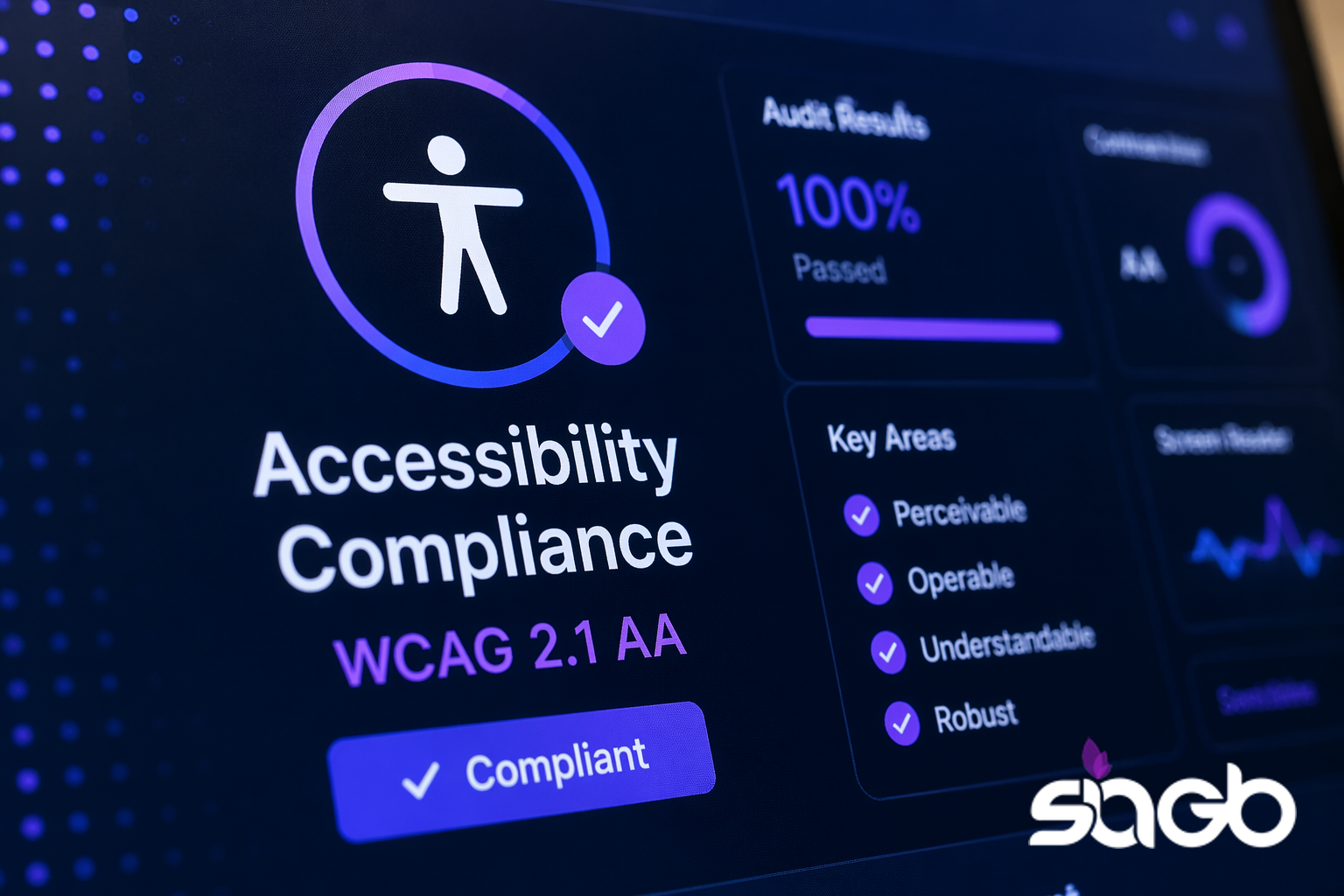
Healthcare website redesign projects often start after growth, mergers, or compliance scares. Patients expect easy booking and clear answers. Staff expect fewer manual tasks.
Aligning design with AI, accessibility, and credibility improves outcomes. A modern medical website supports voice calls, review capture, and patient education without clutter.
HIPAA, Data Security, and Healthcare Cybersecurity
HIPAA compliant website standards apply to clinics serving US patients. Even Australian practices must consider them for global reach. Encryption, access controls, and audit logs are core.
Healthcare cybersecurity threats keep rising. According to IBM’s 2024 Cost of a Data Breach report, healthcare breaches average USD 10.93 million per incident. Medical practice data security is a board-level issue now.
AI consultants help design secure voice systems. Calls may contain sensitive data. Storage, retention, and access must be controlled. Cybersecurity for doctors isn’t optional anymore.
Patient Experience, Reviews, and Reputation Systems
Google reviews shape patient choice. A missed call can mean a lost review. Voice AI helps by capturing feedback after visits and routing issues early.
Reputation management doctors trust relies on timing and tone. Automated voice follow-ups feel more personal than emails. Online reputation healthcare systems then track sentiment over time.
This turns patient experience into a growth lever. Not through pressure. Through better access and listening.
How Do Voice AI Analytics Drive Continuous Optimisation?
Voice AI analytics go beyond transcripts. They show call reasons, drop-offs, and resolution rates. Clinics link this data to staffing and marketing decisions.
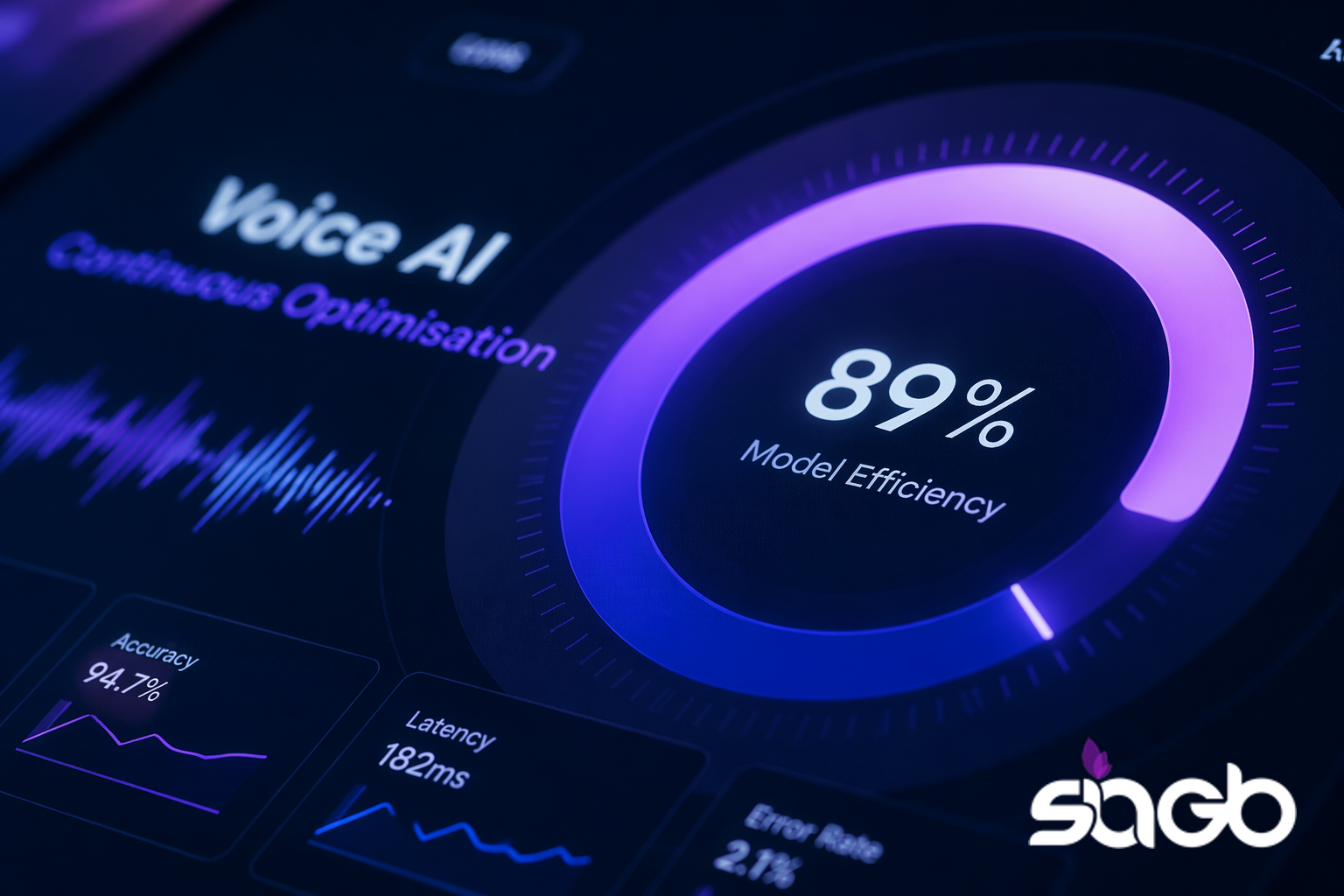
Chatbot analytics consultants Australia use these insights to tune flows and prompts. Over time, calls get shorter and outcomes improve. Continuous optimisation is where ROI compounds.
Honestly? Most value shows up after launch. That surprises people.
Infographic: How Voice AI Connects Search, Access, and Care
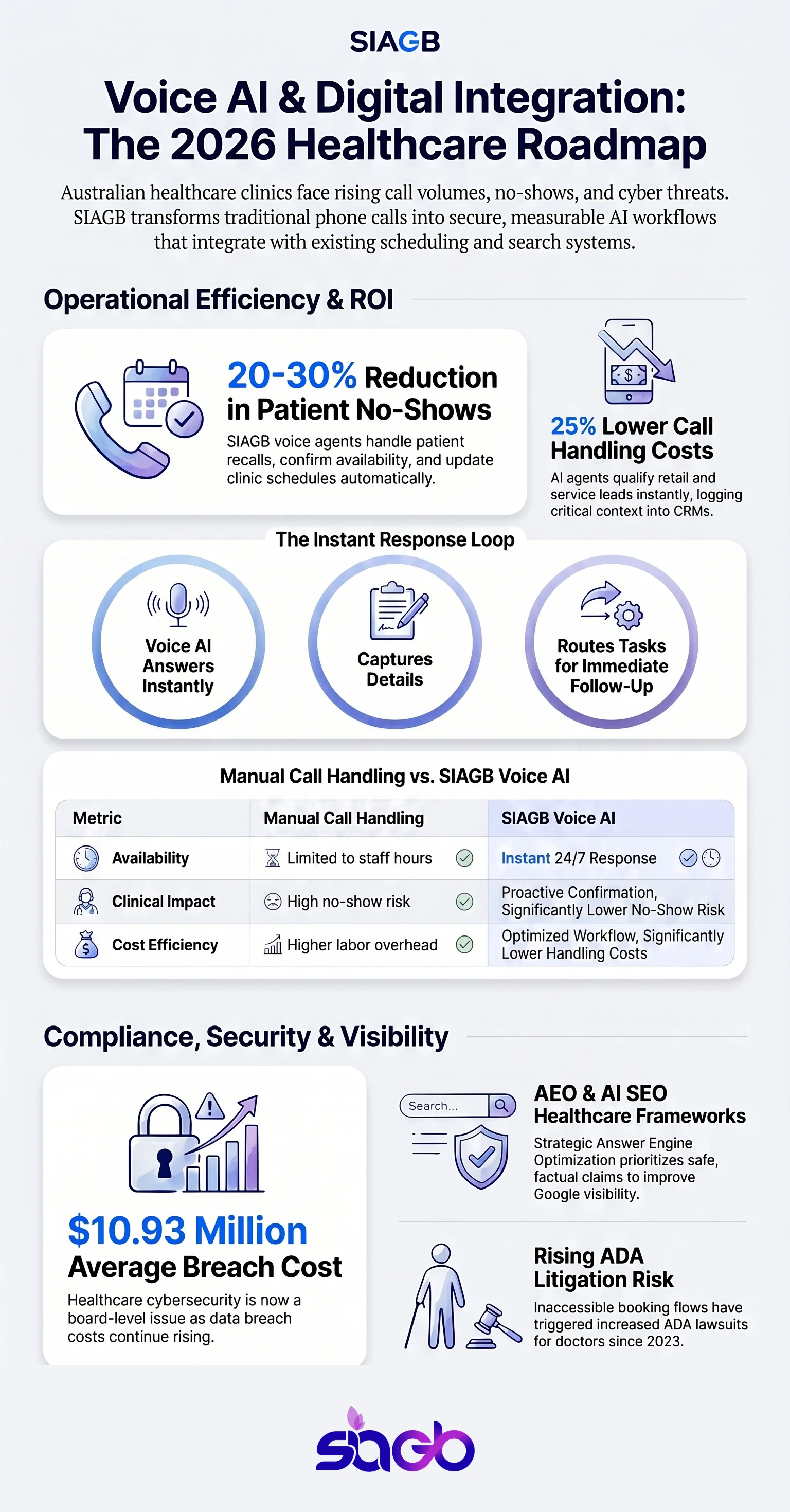
This infographic maps the patient journey. Search leads to a voice call. Voice checks compliance, security, and routing. Data feeds back into optimisation. The loop supports an AI optimised website healthcare teams can trust.
Frequently Asked Questions
What is a voice AI consultant?
Think of a voice AI consultant as the bridge between a phone system and your clinical or sales workflow. Beyond designing the call flows, they pressure-test the system against real accents, interruptions, and edge cases, then prove the value with hard metrics rather than a slick demo.
Is voice AI safe for healthcare use?
Yes, when designed with compliance and security in mind. Systems must follow privacy rules and include human escalation. The safest deployments also limit what data the voice agent stores and keep a clear audit trail of every transfer to a clinician.
How does voice AI reduce missed calls?
The win is not just answering faster, it is never dropping a call to voicemail in the first place. A voice agent picks up during lunch breaks, school runs, and 2am emergencies alike, logs the reason for the call, and queues a structured task so nothing depends on someone remembering to ring back.
Can voice AI integrate with existing systems?
In most cases, yes. Integration with scheduling, CRM, and EHR tools is a core part of delivery. Where an older platform lacks a clean API, consultants often bridge it with middleware or secure webhooks so the voice agent still writes to the right record.
How long does it take to see ROI?
Many clinics see early gains within weeks. Full ROI builds over months through optimisation.
Key Takeaways and Final Thoughts
Voice AI works when it fits the business. Tools alone don’t deliver results. Integration, compliance, and analytics do.
Choosing the right partner matters. SIAGB brings AI-native delivery, healthcare depth, and real-world scale. That’s why voice AI consultants Australia focus on outcomes, not demos.
If you’re weighing next steps, start with the problem. Calls, access, and trust. The technology follows.
Sources
- MIT Technology Review (technologyreview.com)
- Stanford HAI - Human-Centred AI (hai.stanford.edu)

Thinking about how this applies to your business?
Start a Conversation